Health Conditions: What You Need to Know to Stay Well
Ever wonder how what you eat can affect your eyes or your bones? When dealing with health conditions, it’s key to understand how simple changes in lifestyle and diet can make a big difference. Today, we’re focusing on two important areas: managing eye pressure with antioxidants and keeping bones strong through good nutrition.
How Antioxidants Help with Eye Pressure
Ocular hypertension means your eye pressure is higher than normal, which can lead to serious issues if not managed. Antioxidants are natural defenders in your body that fight harmful molecules called free radicals. Including foods rich in antioxidants like berries, spinach, and nuts can support your eye health. Plus, antioxidants help reduce inflammation and protect the delicate tissues in your eyes.
Simple changes like swapping out snacks for fresh fruit or adding leafy greens to your meals can boost your antioxidant intake. Remember, it’s not about expensive supplements but rather building these habits consistently. Also, don’t fall for myths like “only vitamins matter”—a balanced diet is your best bet.
Nutrition Tips for Stronger Bones
If you’ve heard about osteodystrophy, you know it can weaken bones and make them prone to fractures. What you eat plays a major role here. The balance of calcium and phosphorus in your diet is crucial. Too much phosphorus, often found in processed foods, can harm bone strength, so keep an eye on those ingredients.
Vitamin D is another champ—it helps your body absorb calcium effectively. Spending time outdoors for sunlight and eating vitamin D-rich foods like fatty fish or fortified milk can help maintain this balance. Simple, everyday choices like cutting down on soda and junk food while including dairy or plant-based calcium sources can make a noticeable difference.
Managing health conditions isn’t about complicated plans but about smart, doable steps. Keeping your eyes and bones healthy doesn’t mean overhauling your entire lifestyle overnight—small, consistent improvements work wonders. Stay curious and use trusted info to guide your choices every day.
Glaucoma surgery options like trabeculectomy and MIGS help lower eye pressure to prevent vision loss. Learn how they compare in effectiveness, safety, recovery, and who benefits most from each.
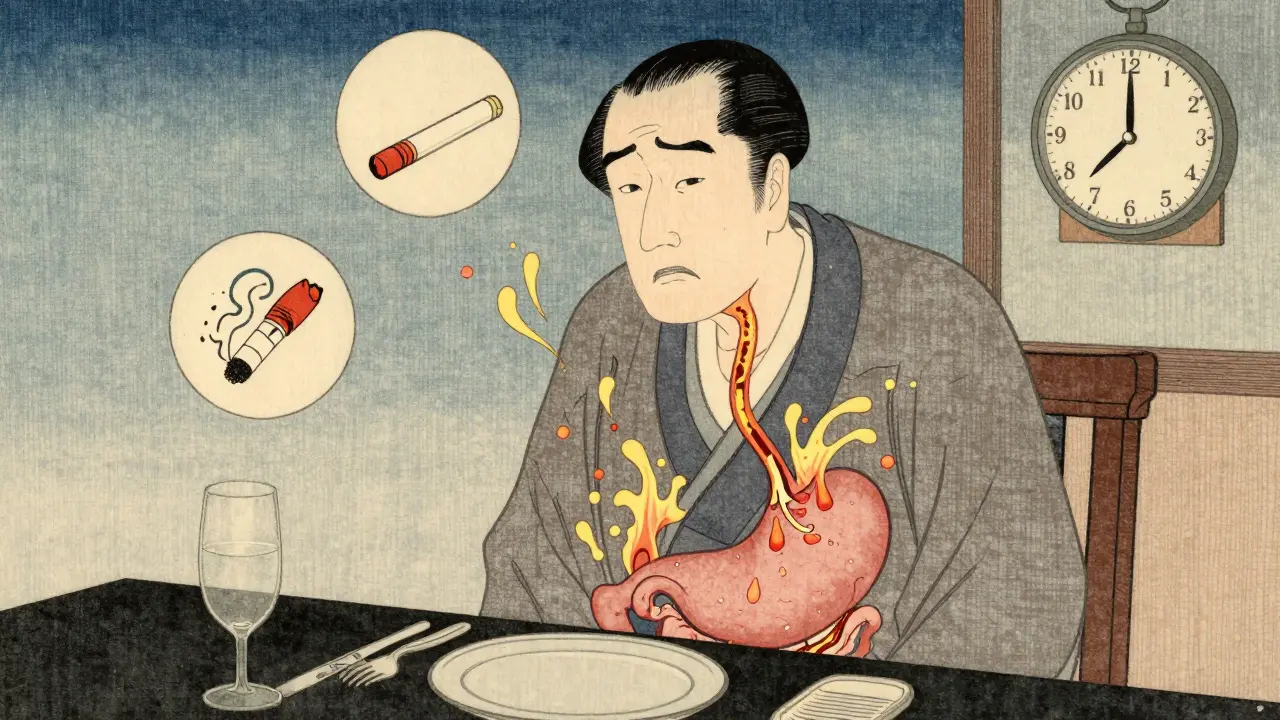
Chronic GERD significantly increases esophageal cancer risk, especially in men over 50 with obesity or smoking history. Learn the red flags, risk factors, and how early screening can save your life.
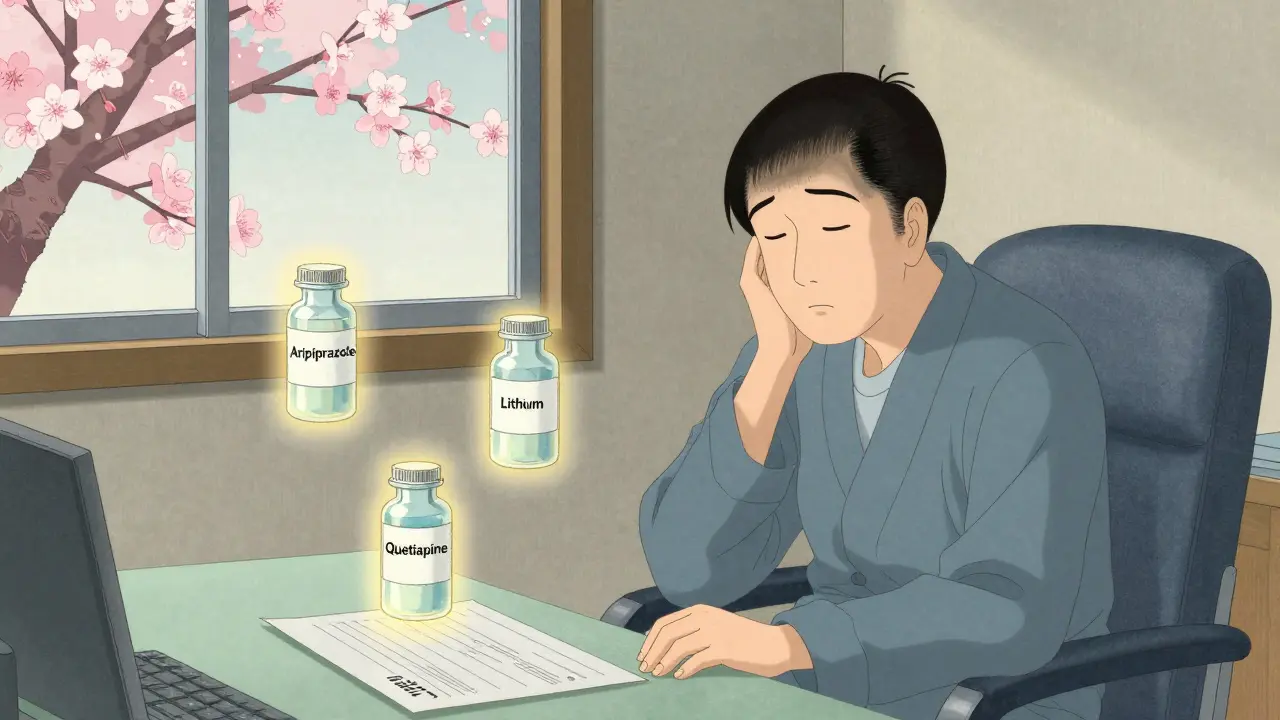
Treatment-resistant depression affects 30-40% of people with major depression. Learn how augmentation with medications like aripiprazole and esketamine, plus advanced therapies like rTMS, can help when standard antidepressants fail.

Learn how to manage gestational diabetes with practical meal plans and blood sugar targets. Discover the plate method, carb counting, and real food choices that keep you and your baby healthy.
Obesity is a chronic disease driven by biology, not willpower. Learn how metabolic dysfunction, genetics, and modern environments make weight management difficult-and what real, science-backed strategies actually work.
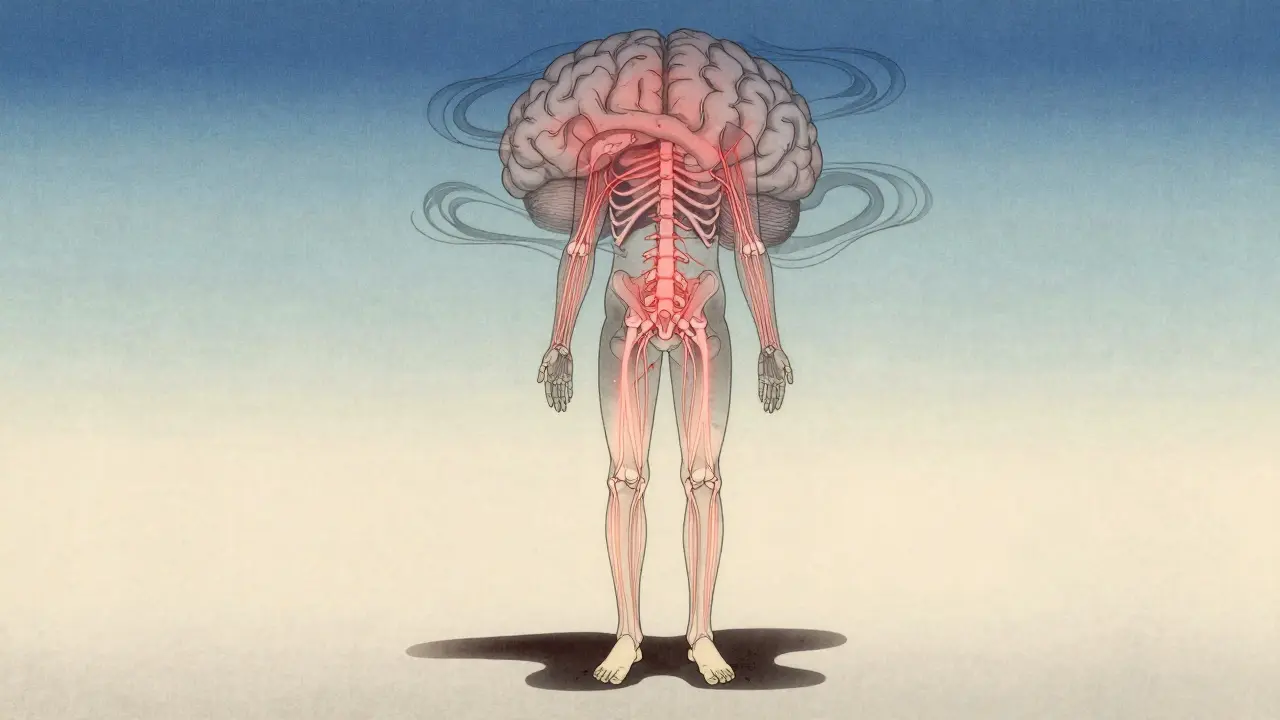
Autonomic neuropathy causes dangerous blood pressure drops and severe digestive problems like gastroparesis. Learn how it develops, how it's diagnosed, and what treatments actually work for these life-altering symptoms.

Red-green color blindness affects 8% of men and 0.5% of women worldwide due to X-linked genetic inheritance. Learn how it works, how it's passed down, and what tools can help.
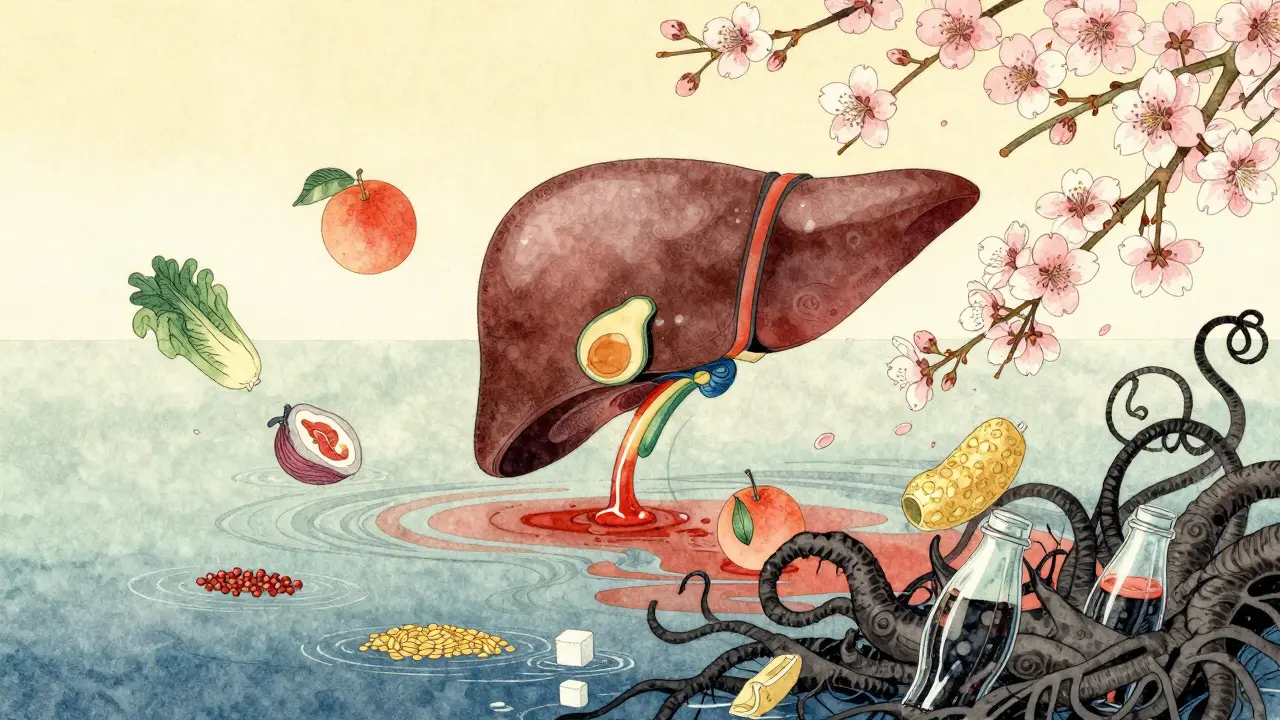
MASLD, formerly called NAFLD, affects 1 in 4 adults worldwide and is linked to obesity, diabetes, and poor metabolism. Learn how weight loss, diet, and exercise can reverse it before it leads to liver damage.
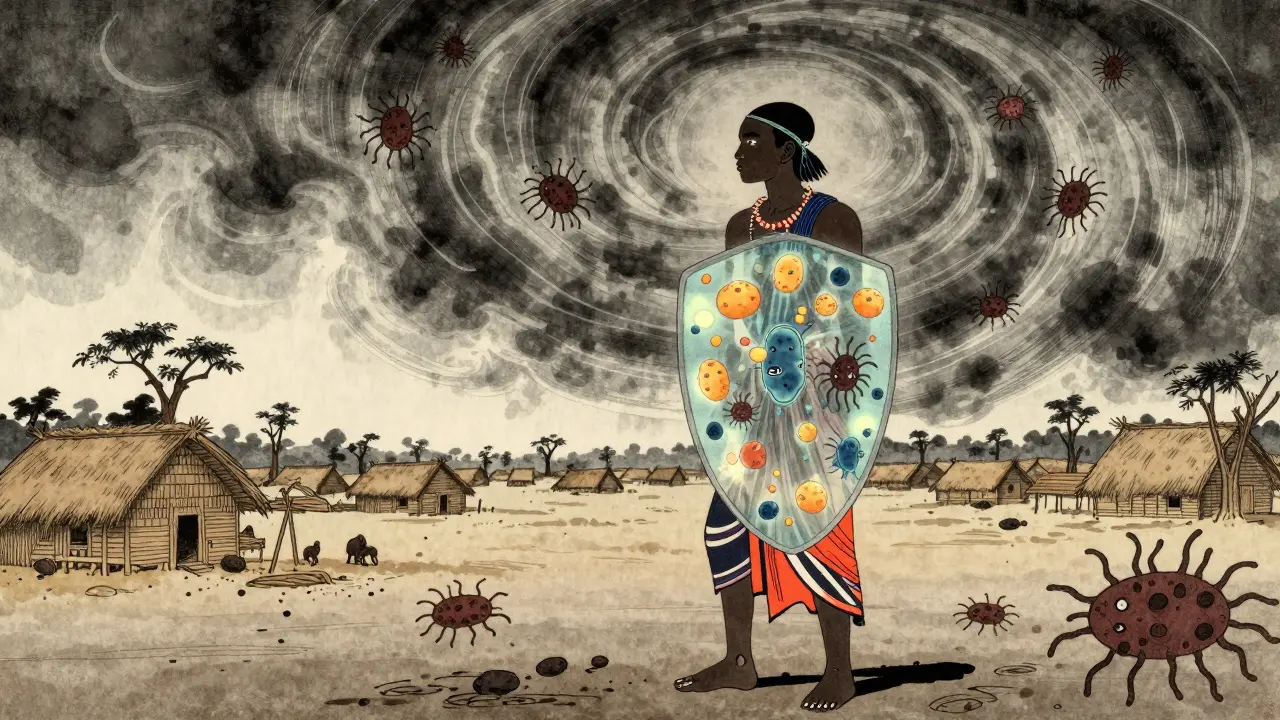
APOL1 genetic variants explain nearly 70% of the excess kidney disease risk in people of African ancestry. Learn how these inherited mutations work, who should be tested, and what steps can reduce your risk.

Postpartum thyroiditis is a temporary autoimmune thyroid disorder affecting 5-10% of women after childbirth, causing fatigue, weight changes, and mood shifts. Learn the signs, testing, and treatment options.

Fatigue in autoimmune disease is not just tiredness-it's a severe, persistent exhaustion caused by inflammation, brain changes, and energy failure. Learn what triggers it and how to manage it with science-backed strategies.

Learn how IgE-mediated food allergies trigger anaphylaxis, why early allergen introduction prevents allergies in babies, and how epinephrine saves lives. Evidence-based prevention and management strategies for families.