
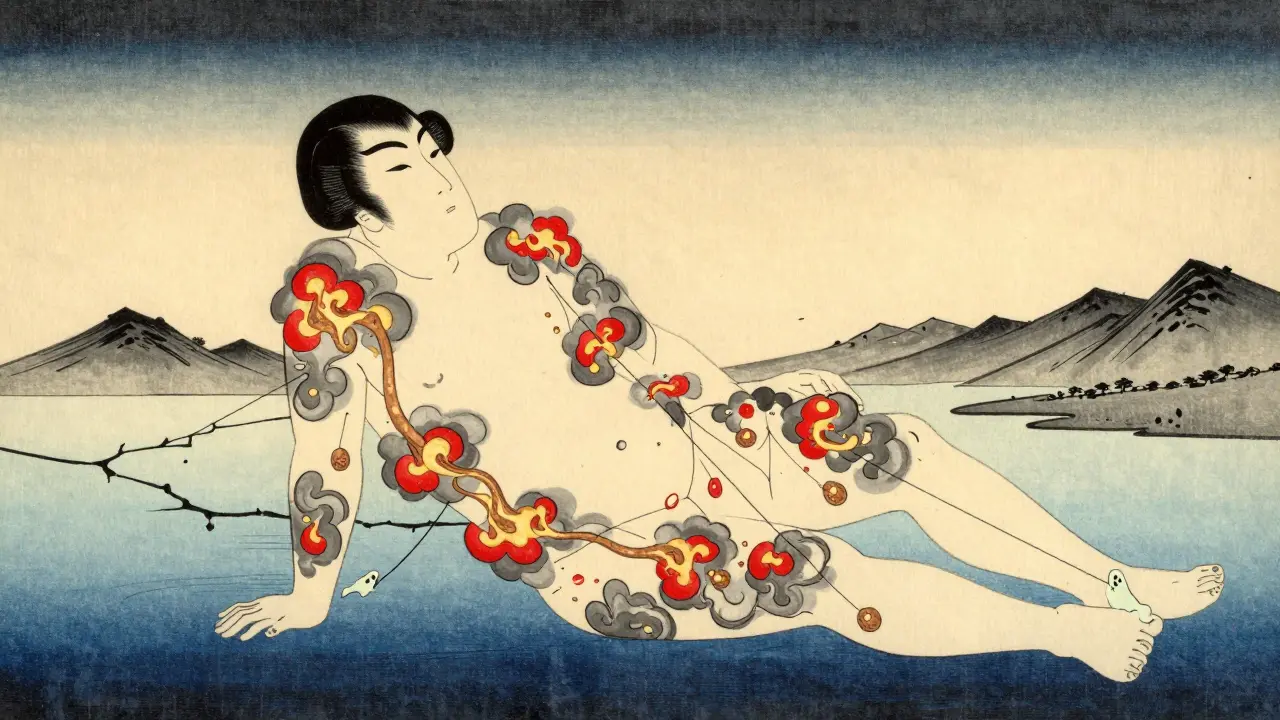
For decades, obesity was seen as a simple matter of eating too much and moving too little. If you just had more willpower, the logic went, you could lose the weight. But that thinking is outdated-and dangerous. Today, medical science recognizes obesity as a chronic disease, not a lifestyle failure. It’s not about laziness. It’s about biology. Your body’s hormones, brain signals, fat tissue function, and even your genes are working against you in ways most people don’t understand.
Why Obesity Is a Disease, Not a Choice
In 2013, the American Medical Association officially classified obesity as a disease. That wasn’t just a change in wording-it changed how doctors think, how insurance pays, and how patients are treated. The World Health Organization defines obesity as a BMI of 30 or higher, but BMI alone doesn’t tell the whole story. Two people with the same BMI can have completely different metabolic health. One might have normal blood sugar, healthy cholesterol, and no inflammation. The other might already be headed toward type 2 diabetes, fatty liver disease, or heart problems.The real problem isn’t just fat on the outside-it’s fat that’s acting like a broken organ. Adipose tissue in people with obesity starts releasing inflammatory chemicals, disrupting insulin signaling, and interfering with hunger hormones. Studies show obese individuals have 2 to 3 times higher levels of C-reactive protein, a key marker of systemic inflammation. This isn’t something you can will away. It’s a physiological dysfunction, similar to how the pancreas fails in type 1 diabetes or the thyroid malfunctions in hypothyroidism.
Genetics play a huge role. Twin studies estimate that 40% to 70% of your susceptibility to obesity is inherited. Over 250 genetic variants have been linked to body weight, and some rare mutations-like those in the MC4R gene-affect 2% to 5% of people with severe obesity. These aren’t quirks. They’re biological drivers. And when you combine genetics with modern environments full of ultra-processed foods, constant stress, and poor sleep, the system becomes overwhelmed.
The Metabolic Trap: How Obesity Feeds Itself
Obesity doesn’t just happen-it escalates. Once fat mass increases, your body starts creating feedback loops that make it harder to lose weight and easier to gain more.First, movement becomes harder. Carrying extra weight reduces daily energy expenditure by 15% to 20%. Walking feels exhausting. Climbing stairs becomes a chore. That means fewer calories burned naturally, even if you’re not exercising.
Second, your hormones go haywire. Sleep deprivation-common in people with obesity-lowers leptin (the hormone that tells you you’re full) by 18% and raises ghrelin (the hunger hormone) by 15%. That’s not laziness. That’s biology. Cortisol, the stress hormone, spikes in response to weight stigma and emotional distress, which then drives cravings for high-calorie, high-sugar foods.
Third, your brain rewires itself. The reward centers in your brain become less sensitive to food, meaning you need more to feel satisfied. This is why people often report that dieting feels like fighting against their own body. It’s not a lack of discipline-it’s a neurological adaptation.
These cycles create what experts call “obesity begets obesity.” The more weight you gain, the more your body fights to keep it. That’s why 90% of people who lose weight through dieting alone regain most of it within five years. It’s not because they failed. It’s because the system was never designed to sustain long-term weight loss without medical support.

Stages of Obesity: It’s Not One Size Fits All
Not everyone with obesity has the same health risks. The Edmonton Obesity Staging System breaks it down into five stages:- Stage 0: No apparent health problems, even with high BMI.
- Stage 1: Mild issues like prediabetes or high blood pressure.
- Stage 2: Established conditions like type 2 diabetes or sleep apnea.
- Stage 3: Severe complications like heart disease or kidney damage.
- Stage 4: End-organ failure, requiring intensive intervention.
Studies show that 28.6% of adults with obesity are already at Stage 4. That means nearly 1 in 3 people with obesity have advanced disease-but many don’t know it. They’re told to “eat less and move more,” while their organs quietly deteriorate. This is why screening for metabolic complications is critical. The American Heart Association now recommends checking for sleep apnea, fatty liver disease, and osteoarthritis in anyone with a BMI over 30.
What Actually Works: Evidence-Based Weight Strategies
Forget quick fixes. Real progress comes from treating obesity like any other chronic illness-with ongoing, personalized care.1. Medical Nutrition Therapy
Not all diets are equal. A registered dietitian with obesity certification can help you build a sustainable eating plan that supports metabolic health-not just weight loss. This isn’t about counting calories. It’s about improving insulin sensitivity, reducing inflammation, and choosing foods that stabilize blood sugar. Studies show that each additional hour of counseling leads to an extra 0.23% weight loss. That might sound small, but over 14 hours of therapy, it adds up to clinically meaningful results.
2. Physical Activity as Medicine
You don’t need to run marathons. The goal is to move more, not burn more calories. Aim for 150 minutes a week of moderate activity-brisk walking, cycling, swimming. Movement improves insulin sensitivity, reduces liver fat, and boosts mood. It’s not about shedding pounds-it’s about protecting your organs.
3. Behavioral Counseling
Chronic stress, emotional eating, and poor sleep patterns are root causes for many. Cognitive behavioral therapy (CBT) helps rewire those patterns. Therapy doesn’t mean you’re broken-it means you’re getting the tools to manage a complex disease.
4. Medications That Work
For years, obesity treatments were limited and ineffective. That changed with GLP-1 receptor agonists like semaglutide (Wegovy) and tirzepatide (Zepbound). These drugs mimic natural gut hormones that reduce appetite and slow digestion. In clinical trials, people lost 15% to 20% of their body weight over 68 weeks. That’s not a miracle-it’s science. Side effects like nausea or diarrhea are common but often improve over time. And unlike dieting, these medications don’t just help you lose weight-they help you keep it off.
A new drug, retatrutide, approved in 2023, shows even better results: up to 24.2% weight loss in 48 weeks. It’s a triple agonist targeting three hunger pathways at once. This is the future of obesity treatment.
5. Bariatric Surgery
For people with severe obesity and metabolic complications, surgery remains the most effective long-term solution. Procedures like gastric bypass or sleeve gastrectomy don’t just restrict food-they change gut hormones, improve insulin sensitivity, and can reverse type 2 diabetes in over 60% of cases. But it’s not a magic fix. Lifelong vitamin supplementation, follow-up care, and psychological support are essential. About 41% of patients report vitamin deficiencies post-surgery, and 37% say they didn’t get enough long-term support.
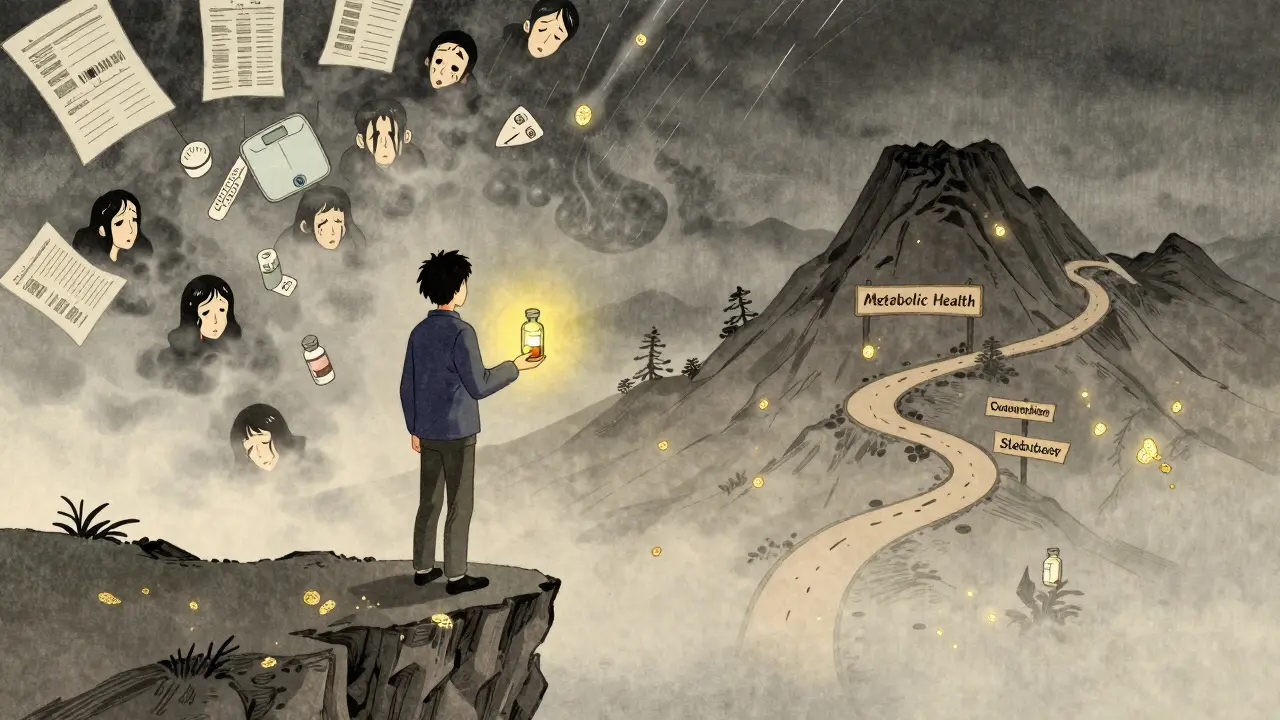
The System Is Failing People With Obesity
Even with all this knowledge, most people with obesity never get proper care. Only 7% of eligible U.S. adults receive guideline-recommended treatment. Why?- Provider bias: 67% of people with obesity report being judged by healthcare providers. Some are denied routine procedures like colonoscopies or knee replacements because of their weight.
- Lack of training: Only 10% of U.S. medical schools require obesity education.
- Insurance barriers: 37 states require prior authorization for obesity medications. Many plans won’t cover them at all.
- Cost: Semaglutide can cost up to $1,400 a month without insurance. Even with coverage, copays can be unaffordable.
- Shortage of specialists: There are only 1,200 certified obesity medicine providers in the entire U.S.-far below the need.
This isn’t just a health crisis. It’s a systemic failure. People with obesity aren’t failing-they’re being failed by a system that still sees their condition as a moral issue instead of a medical one.
What You Can Do: Realistic Steps Forward
If you’re living with obesity, here’s what actually helps:- Ask your doctor about metabolic testing-not just BMI.
- Seek out a provider trained in obesity medicine. The Obesity Medicine Association has a directory.
- Don’t assume weight loss is the only goal. Improving blood pressure, sleep, or energy levels matters just as much.
- If medication is an option, ask about GLP-1 agonists. They’re not a crutch-they’re a tool.
- Find support. Whether it’s a therapist, a support group, or online communities like r/Obesity, you’re not alone.
Progress isn’t about hitting a number on the scale. It’s about feeling better, moving easier, sleeping deeper, and living longer. That’s what real health looks like.
Is obesity really a disease, or just being overweight?
Yes, obesity is officially recognized as a chronic disease by the American Medical Association, the World Health Organization, and the Obesity Medicine Association. It’s not just about being overweight-it’s about fat tissue dysfunction, hormonal imbalances, and metabolic damage that increase disease risk. A person can be overweight (BMI 25-29.9) without having obesity as a disease, but obesity (BMI ≥30) involves biological changes that require medical management.
Why do most people regain weight after dieting?
Your body defends its highest weight like a set point. When you lose weight, hunger hormones rise, metabolism slows, and your brain pushes you to eat more. This isn’t weakness-it’s survival biology. Studies show 90% of people who lose weight through dieting alone regain most of it within five years. That’s why long-term treatment needs to address the biology, not just behavior.
Are weight-loss medications safe?
FDA-approved medications like semaglutide and tirzepatide have been tested in large, long-term trials involving tens of thousands of people. They’re safer than many common drugs, including some blood pressure and cholesterol medications. Side effects like nausea or constipation are common at first but usually improve. The bigger risk is not treating obesity-since it raises your chance of heart disease, stroke, diabetes, and cancer.
Can you reverse obesity-related health problems?
Yes. Losing just 5% to 10% of body weight can significantly improve blood sugar, blood pressure, liver fat, and sleep apnea. In some cases, type 2 diabetes goes into remission after weight loss, especially with bariatric surgery or GLP-1 medications. The key is consistency-not perfection. Even small, sustained improvements protect your organs over time.
Why is it so hard to find a doctor who treats obesity properly?
Most doctors weren’t trained to treat obesity as a medical condition. Only 10% of U.S. medical schools require obesity education. Plus, insurance doesn’t always cover treatment, so many providers don’t offer it. You may need to ask specifically for an obesity medicine specialist or search through the Obesity Medicine Association’s directory. Don’t accept judgment-demand evidence-based care.
11 Comments
Oh please. Calling obesity a 'disease' is just woke medicine nonsense. My grandma worked two jobs, raised five kids, and never had a BMI over 25. You think your biology is broken? Maybe your laziness is just exposed now that the sugar industry stopped paying off politicians. This isn't science-it's corporate handouts disguised as compassion.
❤️ I just want to say thank you for writing this. I’ve been told I ‘just need to try harder’ for 15 years. When my doctor finally ran metabolic panels and said ‘this isn’t willpower, this is physiology’… I cried. You’re not broken. Your body’s just been fighting a war you didn’t sign up for. 💪
Man this hits different. I lost 80 lbs with semaglutide after 3 failed diets and honestly? It felt like my brain finally stopped screaming at me to eat cake. I still eat junk sometimes but now I don’t feel like a monster for it. The meds didn’t make me lazy-they gave me back my peace. 🤝
so like… if obesity is a disease then why do i see people with 300lbs who eat salad and run marathons? just saying… maybe its not all biology?? maybe its just… you know… choices?? 🤷♂️
Oh wow. So now we’re giving pharmaceutical companies a free pass to sell $1400/month drugs to people who ‘can’t control themselves’? Let me guess-next they’ll say depression is a serotonin deficiency so you need Prozac, not therapy, and addiction is a dopamine issue so you need opioids to fix opioids? This is capitalism disguised as medicine.
just wanted to say i read this whole thing at 2am after a long day and i felt seen. not everyone needs to lose weight to be healthy. i lost 5% and my sleep apnea improved. that’s win enough. no scale needed. 🌿
YES. This is the exact conversation we need. I used to think my weight was a moral failure until my endocrinologist said ‘your leptin levels are off the charts and your cortisol is through the roof.’ That’s not laziness. That’s a biological emergency. You don’t shame someone with cancer for not ‘just eating better.’ Why do it to people with obesity? 🙏
Wow. So now we’re erasing personal responsibility? If your genes made you fat then why not just give up? My great-grandma walked 10 miles a day to fetch water and didn’t have a single processed food in sight. Maybe if you stopped blaming ‘the system’ and started blaming yourself, you’d actually lose weight. Just saying.
ok but what if the whole ‘obesity is a disease’ thing is just a psyop by Big Pharma to sell more drugs?? i mean… think about it… they made us believe sugar was safe, then they made us believe fat was evil, now they’re telling us our fat is evil… and now they want to sell us $1400/month injections?? this smells like a cult. 🕯️
For real though-most docs don’t know the difference between BMI and metabolic health. I had a 38 BMI but normal HbA1c, triglycerides, and liver enzymes. My doctor still called me ‘morbidly obese’ and pushed me to lose 100 lbs. I went to an obesity medicine specialist and she said ‘you’re metabolically healthy, just keep moving and sleep better.’ No meds needed. Knowledge matters.
Ah yes, the classic ‘it’s biology’ excuse. But tell me, my friend, if your body is a broken machine, then why do people in rural India, with no access to Wegovy, have lower obesity rates than your average suburb? Maybe it’s not biology… maybe it’s culture. Maybe it’s the illusion of choice in a world of hyper-palatable poison. We are not victims. We are participants. And participation requires awareness. 🧘♂️