Category: Medications - Page 3

Buyers like Medicare use the threat of generic drug competition to force lower prices on brand-name medications. With multiple generics available, prices can drop by over 90%. This strategy saves billions and reshapes how drugs are priced in the U.S.

Ginkgo biloba may increase bleeding risk when taken with blood thinners like warfarin, aspirin, or clopidogrel. While studies conflict, doctors recommend avoiding it altogether if you're on anticoagulants.

Dexamethasone and prednisone are both powerful steroids, but they differ in strength, duration, and side effects. Learn which one is better for short-term flare-ups versus long-term treatment.

Insurers save billions by using bulk buying and tendering for generic drugs. Learn how competitive bidding, transparent pricing, and direct-to-consumer models are cutting prescription costs - and how you can too.

Storing medications in the bathroom exposes them to heat and moisture, reducing potency and risking health. Learn why this common habit is dangerous and where to store drugs safely instead.

Insurance prior authorization for generic alternatives delays patient care and burdens pharmacists with paperwork. Learn how step therapy works, why denials happen, and how to get approvals faster in 2025.

Macrolide antibiotics like azithromycin can prolong the QT interval and trigger dangerous heart rhythms. Learn who needs an ECG before taking them-and who doesn't. Safety isn't one-size-fits-all.

Counterfeit medications can look identical to real ones but may contain deadly substances like fentanyl or no active ingredient at all. Learn the key symptoms and warning signs to protect yourself and others.

Many people take supplements and herbal remedies without telling their doctor-but this can lead to dangerous drug interactions. Learn why full disclosure is critical for your safety and how to talk to your provider effectively.

Learn how OB/GYNs and psychiatrists work together to safely manage psychiatric medications during pregnancy and breastfeeding. Evidence-based protocols, safest drugs, and what to do when providers don't communicate.
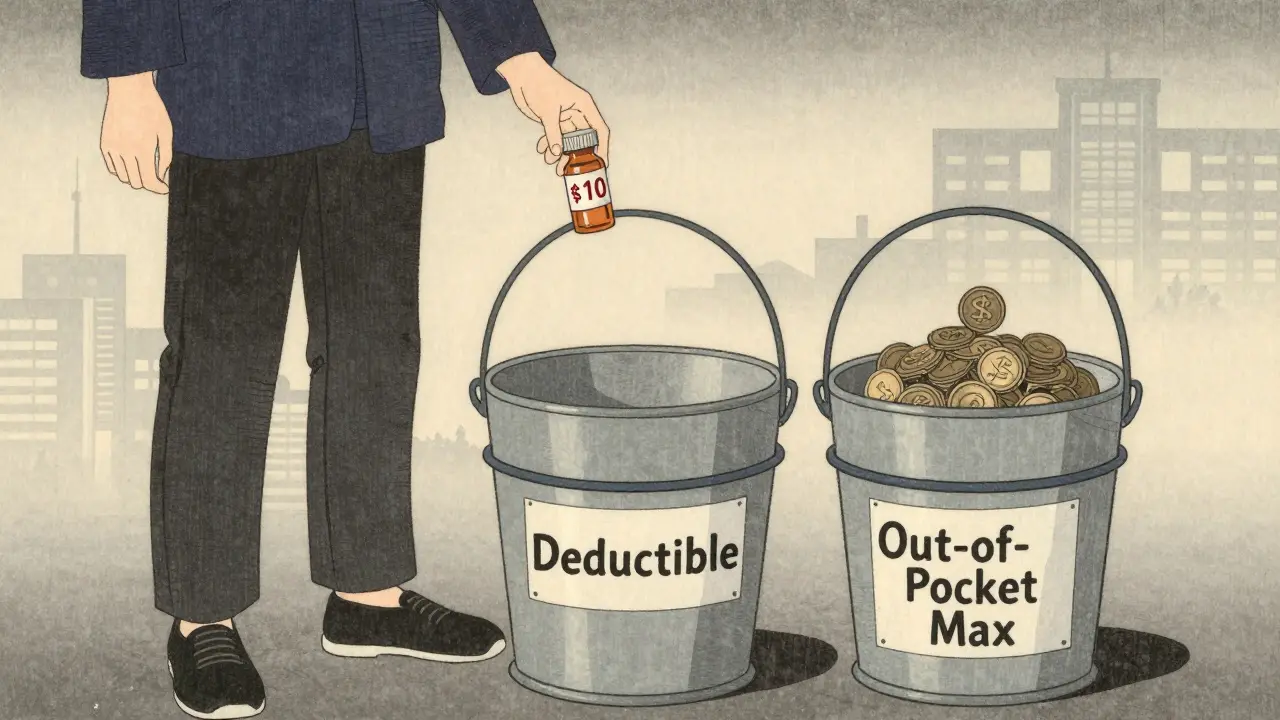
Generic copays count toward your out-of-pocket maximum but not your deductible in most health plans. Understand how this works to avoid surprise bills and make smarter choices about your medications.

Tramadol can trigger seizures even at normal doses, especially in people with seizure disorders or those taking other medications. Learn why it's dangerous, who's at risk, and what safer pain relief options exist.