
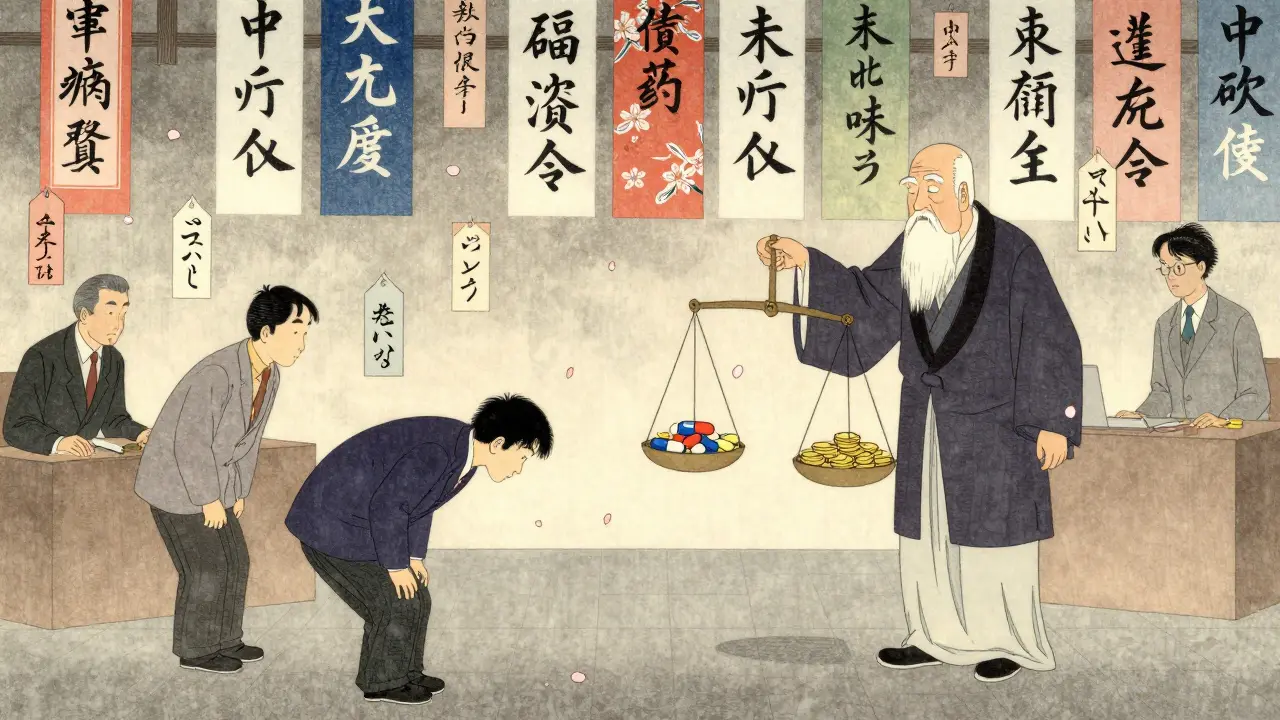
Most people assume their insurance covers generic drugs cheaply. But the truth? Many are still paying way too much - not because the drugs are expensive, but because the system is broken. Insurers aren’t just buying generics at wholesale. They’re running complex bidding wars, locking in volume deals, and cutting out middlemen to save millions. And those savings? They’re real. And they’re happening right now.
How generics became the backbone of prescription savings
In 2023, generics made up over 90% of all prescriptions filled in the U.S. But they accounted for just 17% of total drug spending. That’s not a typo. A bottle of generic lisinopril costs $4 at Costco. Your insurance might charge you $35 for the same thing. Why? Because the system was built to hide the real price. The Hatch-Waxman Act of 1984 opened the door for generic drug approvals. It wasn’t just about competition - it was about forcing prices down. Fast-forward to today, and the first generic version of a brand-name drug can save patients and insurers over $1 billion in the first year. The FDA confirmed that in 2022. One drug, albuterol inhalers, saw prices drop 80% after generics hit the market - until manufacturers couldn’t make money at those prices and stopped producing them. That’s the double-edged sword.How insurers actually save money: tendering explained
Insurers don’t just pick a generic and call it a day. They run tendering processes - basically, a public auction for drug supply. They’ll say: “We need 1 million tablets of metformin. Who can deliver it cheapest?” Multiple manufacturers bid. The insurer picks the lowest. They sign a 1- to 3-year contract. In return, the manufacturer gets guaranteed volume. It’s win-win - unless there’s only one manufacturer left. That’s when things go wrong. This isn’t guesswork. It’s data-driven. Insurers track every generic drug on their formulary. They flag ones with high costs but low competition. If a drug has only two makers and costs $12 a month, they’ll look for a similar one with five makers selling for $3. They swap it. Simple. And they do it quarterly.The hidden problem: spread pricing and opaque deals
Here’s where it gets shady. Many insurers don’t buy directly from manufacturers. They use Pharmacy Benefit Managers (PBMs) - companies like OptumRx, CVS Caremark, and Express Scripts. These PBMs act as middlemen. And they make money on the spread. Let’s say a generic drug costs $2 wholesale. The PBM tells the insurer it costs $25. The insurer pays $25. The PBM pays the pharmacy $10. The PBM pockets $15. That’s spread pricing. And it’s legal. But it’s not transparent. The insurer doesn’t know the real cost. The patient doesn’t know either. A 2022 JAMA Network Open study found that plan sponsors - meaning insurers and employers - often don’t even know which generics are driving up their costs. Some high-cost generics have no real reason to be expensive. They’re just sitting on a formulary because the PBM makes more off them.
What works better: cash pay and direct-to-consumer pharmacies
A growing number of people are skipping insurance entirely. Why? Because cash is cheaper. Mark Cuban’s Cost Plus Drug Company sells generics at cost plus 15%. No middlemen. No hidden fees. A 30-day supply of atorvastatin? $4.33. Same drug through insurance? $47. That’s a 91% savings. GoodRx coupons, Costco, and Wal-Mart’s $4 list show the same pattern. In 2020, 97% of cash payments for prescriptions were for generics. That’s not because people are trying to be rebels. It’s because insurance often doesn’t save them money. Blueberry Pharmacy, a newer direct-to-consumer model, reports average ratings of 4.7 out of 5. Customers love one thing: predictability. “My blood pressure med costs $15 a month. No surprises,” one review says. That’s what insurers should be offering.Why some generics disappear: the shortage trap
There’s a dark side to extreme price pressure. When insurers push for the lowest possible price, manufacturers sometimes can’t cover production costs. They shut down. And then - boom - shortages. In 2020, albuterol inhalers vanished from 87% of U.S. hospitals. Why? Because the price dropped below what it cost to make them. The FDA warned: if you squeeze too hard, you break the system. This isn’t just about one drug. Eighty percent of certain generic drugs are made by just three manufacturers. If one quits, prices spike. Or worse - the drug disappears.
What insurers are doing differently now
Forward-thinking insurers are changing their approach. They’re ditching the old PBM contracts. They’re demanding transparency. California passed SB 17 in 2017, forcing PBMs to disclose any spread over 5%. Other states are following. Some employers are going direct. They’re cutting out PBMs entirely and buying generics in bulk from manufacturers. One company, Navitus Health Solutions, cut generic drug costs by 22% for its clients in 2023 just by switching to a transparent model. The Inflation Reduction Act of 2022 tried to fix Medicare Part D. But it didn’t touch PBM spread pricing. That’s still wide open. So while seniors get capped insulin costs, their other generics? Still overpriced.What you can do - even if you’re not an insurer
You don’t need to be a big company to save. Here’s what works:- Always check GoodRx or SingleCare before using insurance
- Ask your pharmacist: “What’s the cash price?”
- If your insurance won’t cover a generic, ask for a therapeutic substitution - a cheaper, clinically equivalent drug
- For chronic meds, consider mail-order or direct-to-consumer pharmacies like Cost Plus Drug Company
The future: more transparency, more savings
The FDA’s GDUFA III rules, launched in 2023, are speeding up generic approvals. More generics = more competition = lower prices. CMS now requires Medicare Part D plans to show real drug prices - not inflated list prices. That’s a big step. By 2035, experts estimate the U.S. could save an extra $127 billion just by improving how generics are bought and priced. That’s money back in patients’ pockets. And in employers’ budgets. The system isn’t perfect. But it’s fixable. And it’s being fixed - slowly, one transparent contract at a time.Why are some generic drugs more expensive than others?
It’s not about the drug - it’s about competition. If only one company makes a generic, they can charge more. If five companies make it, prices drop. Insurers look for generics with multiple manufacturers and push to switch to the cheapest one. Some drugs have no competition because manufacturing is too cheap to be profitable - and that’s when shortages happen.
Do PBMs really make insurers pay more for generics?
Yes, in many cases. PBMs earn money by charging insurers more than they pay pharmacies - a practice called spread pricing. This creates an incentive to choose higher-cost generics, even when cheaper, equally effective options exist. Insurers who demand transparency in contracts - like those following California’s SB 17 - can avoid this.
Can I save money on generics without insurance?
Absolutely. Cash prices at pharmacies like Costco, Walmart, and direct-to-consumer sites like Cost Plus Drug Company are often 75-90% lower than insurance copays. A 2023 NIH study found median savings of $231 per prescription for expensive generics when paid in cash. Always ask your pharmacist for the cash price before using insurance.
Why do some insurance plans charge more for generics than brand drugs?
It’s a flaw in how formularies are designed. Some plans put generics on higher tiers to encourage use of brand-name drugs that pay higher rebates to PBMs. Even though generics cost less, the insurer might charge you $40 for a generic and $35 for the brand. Always check your plan’s formulary and ask for a tier change if the pricing doesn’t make sense.
What’s the difference between a generic and a brand-name drug?
Generics contain the same active ingredient, dosage, and effectiveness as brand-name drugs. They’re required by the FDA to meet the same standards. The only differences are in inactive ingredients (like fillers), packaging, and price. Generics cost 80-90% less because they don’t carry the cost of research, marketing, or patents.
10 Comments
Wow, I had no idea cash was cheaper than insurance for generics. I’ve been paying $40 for my blood pressure med through my plan, but I just checked GoodRx-it’s $5.99 at Walmart. I’m switching tomorrow. Why does this even exist?
You think this is bad? Try getting a generic antidepressant in rural Alabama. The only pharmacy that stocks it charges $78 because the PBM won’t let them drop the price. Meanwhile, the manufacturer sells it for $1.20. This system is rigged. And no, I’m not a conspiracy theorist-I work in pharmacy.
Let’s be real-most people don’t understand the difference between a generic and a brand, and they’re too lazy to shop around. The fact that you need a PhD in pharmaceutical economics just to afford a pill is a moral failure. I’ve been paying cash for years. I even have a spreadsheet. If you’re not tracking your meds like a hedge fund manager, you’re getting robbed.
And don’t get me started on PBMs. They’re the reason your $3 drug costs $35. They’re not intermediaries-they’re parasites. The FDA should regulate them like banks. Or better yet, ban them.
And yes, I know Cost Plus Drug Company exists. I’ve been recommending it since 2021. People still act like I’m suggesting they grow their own insulin. It’s not magic. It’s math.
Also, the fact that insurers charge more for generics than brand-name drugs? That’s not a bug. That’s a feature. It’s designed to push people toward higher-rebate drugs. You’re not being saved-you’re being exploited.
And before someone says ‘but insurance has network discounts!’-those discounts are negotiated behind closed doors with PBMs who get kickbacks. The ‘discount’ is a fiction. The cash price is the real price.
Stop trusting your insurer. Trust your pharmacist. Trust GoodRx. Trust your wallet. The system is broken. And the only way to win is to opt out.
I’ve saved over $1,200 this year just by refusing to use insurance for generics. I’m not a hero. I’m just not dumb.
I just cried reading this. My mom had to choose between her diabetes meds and her rent last year. She took the meds. We ate ramen for three months. This isn’t healthcare. It’s a lottery where the house always wins.
People don’t realize how much the FDA’s GDUFA III is changing the game. Faster approvals mean more manufacturers enter the market. More manufacturers = more competition = lower prices. It’s basic microeconomics. But the PBM middlemen are fighting this tooth and nail because their entire business model is built on opacity. Transparency is the only antidote.
And if you’re still using your insurer’s pharmacy network without checking cash prices? You’re leaving money on the table. Like, hundreds of dollars a year. That’s a vacation. A new phone. A month of rent.
Stop being passive. Be an active consumer. Ask questions. Demand transparency. And if your pharmacist looks at you like you’re crazy for asking about the cash price? Find a new pharmacist.
Just want to add: if you’re on a chronic med, mail-order through a direct-to-consumer pharmacy like Cost Plus or Blueberry can cut your monthly cost by 80%. I’ve been on metformin for 8 years. Used to pay $45/month through insurance. Now I pay $4.50. No copay. No surprise fees. Just a box in the mail. Life-changing.
I just switched my entire family to cash payments for generics after reading this. My husband’s cholesterol med went from $58 to $5. My daughter’s ADHD med went from $72 to $8. I feel like I just won the lottery. Why does no one talk about this?!
So… let me get this straight. The government created a system to make generics affordable, but then let middlemen come in and inflate the price? And now people are paying more for generics than the brand-name version? And the only way to get the real price is to… pay cash? And the people who need this the most-low-income folks, seniors, people without good insurance-are the ones who don’t even know this is possible? This isn’t a healthcare crisis. This is a moral crisis.
I’m not mad. I’m just… disappointed. In all of us.
yea but what about the manufacturrs? if they make no profit they stop making it. then we got shortages. its a balance. not just ‘pay cash’.
From a global health systems perspective, the U.S. model is an outlier. In countries with single-payer systems, generic procurement is centralized, transparent, and negotiated at scale-resulting in 90%+ price reductions without shortages. The PBM structure here is a market failure disguised as innovation. The solution isn’t just cash payments-it’s structural reform: eliminate spread pricing, mandate real-time price disclosure, and incentivize multi-source manufacturing. Until then, individual consumer actions are band-aids on a hemorrhage.