Category: Medications - Page 2

Learn how shared decision-making helps pregnant women choose mental health medications safely, balancing risks of untreated illness against medication effects on the baby. Evidence-based, real-world guidance.

Learn how to manage gas, bloating, and other GI side effects from acarbose and miglitol with practical dosing tips, diet changes, and OTC solutions that actually work.

Learn how antacids, H2 blockers, and PPIs work for heartburn, when to use each, and the risks of long-term use. Make smarter choices for OTC relief.

Metformin extended-release reduces stomach side effects compared to immediate-release, helping more people stick with their diabetes treatment. Learn how the two forms differ, what studies show, and who should choose which.

Population pharmacokinetics uses real-world patient data to prove drug equivalence across diverse populations, replacing outdated methods that rely on healthy volunteers. It's now essential for biosimilars, narrow therapeutic index drugs, and regulatory submissions.

Vancomycin infusion reaction, once called red man syndrome, is a preventable reaction caused by fast IV administration. Learn the symptoms, how to stop it, and why the old term is outdated and harmful.
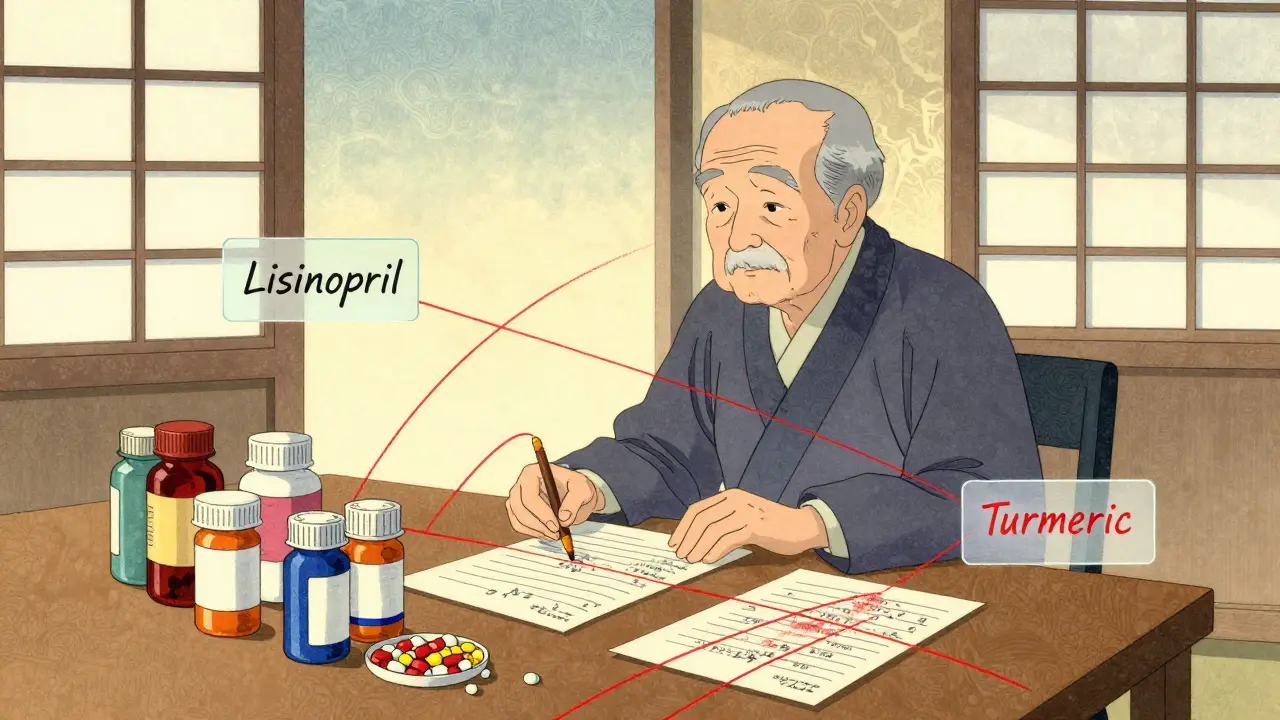
Learn how to safely manage multiple prescriptions by using one pharmacy, syncing refills, using pill organizers, and getting annual medication reviews to avoid dangerous drug interactions and hospital visits.

Taking fluoroquinolone antibiotics with NSAIDs like ibuprofen raises the risk of serious, sometimes permanent nerve and kidney damage. Learn who's most at risk and what safer alternatives exist.

Ethnicity influences how drugs work due to genetic differences in metabolism. Learn how genes like CYP2C19 and HLA-B*15:02 affect drug safety and effectiveness across populations-and why genetics, not race, should guide treatment.

Nosebleeds can be caused by common medications like aspirin, ibuprofen, and blood thinners. Learn the top causes, how to stop them, and what to do to prevent them without stopping your prescriptions.

Learn how the FDA uses therapeutic equivalence codes to determine which generic drugs can be safely substituted for brand-name medications. Understand A and B ratings, why some generics aren't interchangeable, and how this system saves billions in healthcare costs.

Anticoagulants for seniors with atrial fibrillation prevent far more strokes than they cause bleeding events, even with fall risk. Learn why skipping them is often more dangerous than taking them.