Author: Shaun Franks - Page 2
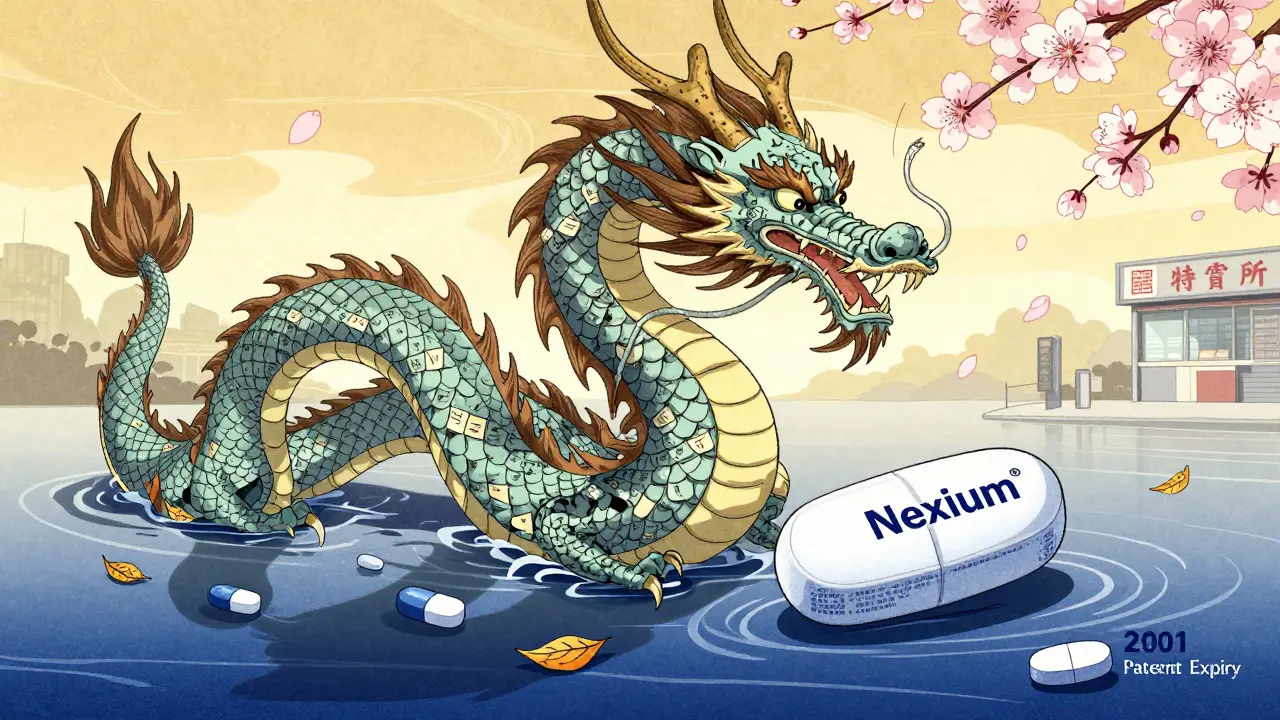
Secondary patents let drug companies extend exclusivity beyond the original patent, delaying generics and keeping prices high. Learn how they work, why they’re controversial, and where the system is heading.
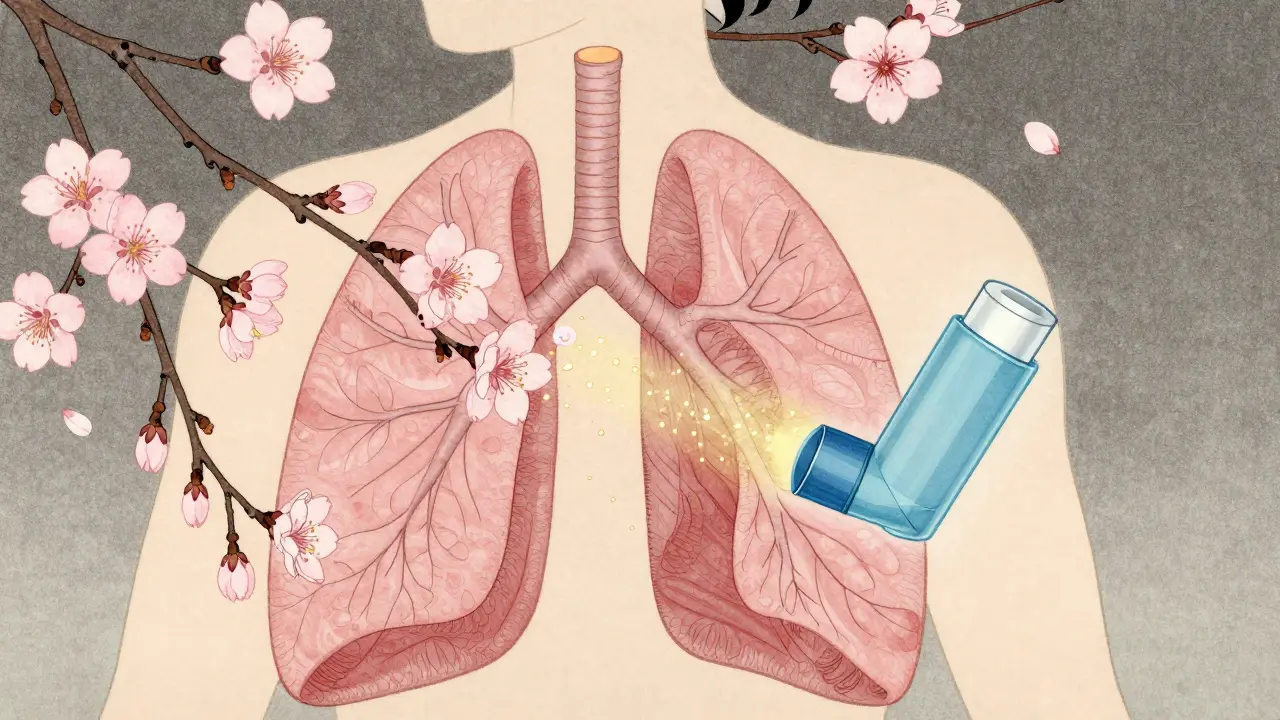
Bronchodilators open tight airways fast, while corticosteroids reduce long-term inflammation. Used together and correctly, they’re the most effective way to manage asthma and COPD. Learn how they work-and why timing matters.
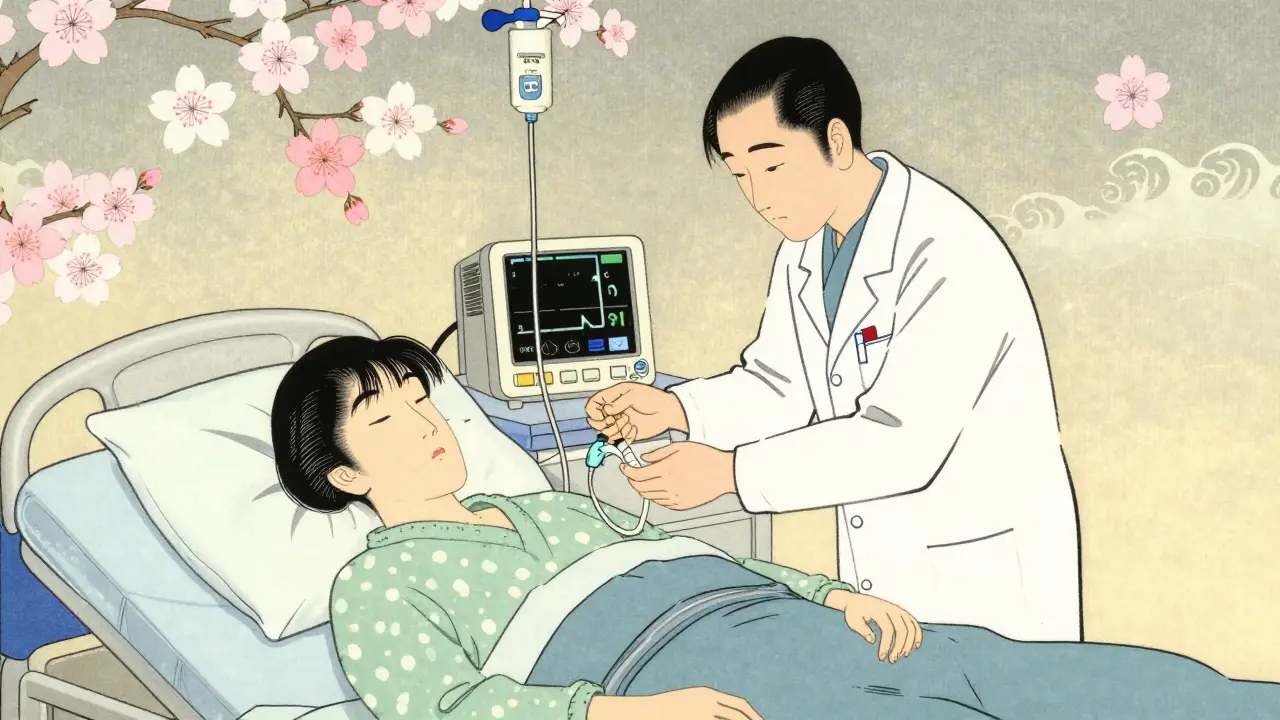
Drug desensitization safely allows patients with allergies to receive essential medications through controlled dose escalation under medical supervision. Learn how it works, when it's used, and what to expect during the procedure.

Learn which cold and flu medications are safe during pregnancy and which to avoid. Evidence-based guidance on acetaminophen, decongestants, antivirals, and non-medication remedies. Critical info from ACOG and CDC.
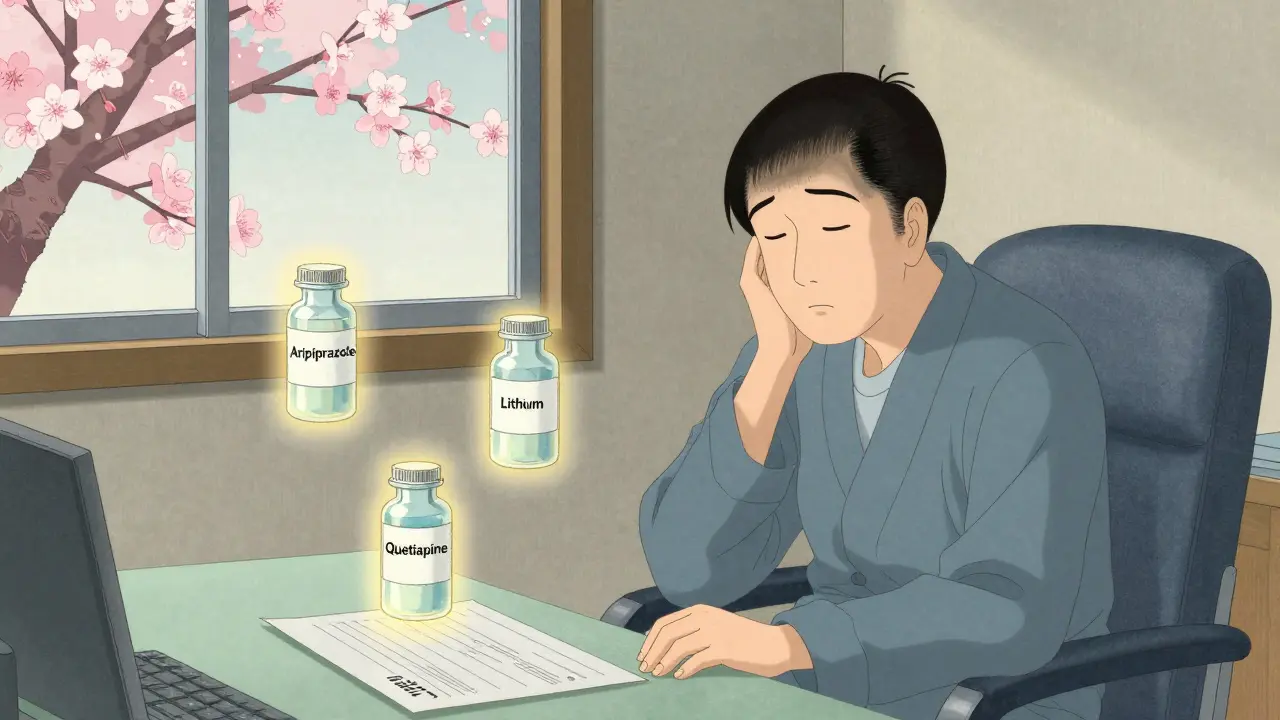
Treatment-resistant depression affects 30-40% of people with major depression. Learn how augmentation with medications like aripiprazole and esketamine, plus advanced therapies like rTMS, can help when standard antidepressants fail.

Learn how to safely carry and replace medications abroad, avoid legal trouble, and get local prescriptions when traveling overseas. Essential tips for travelers with chronic conditions.
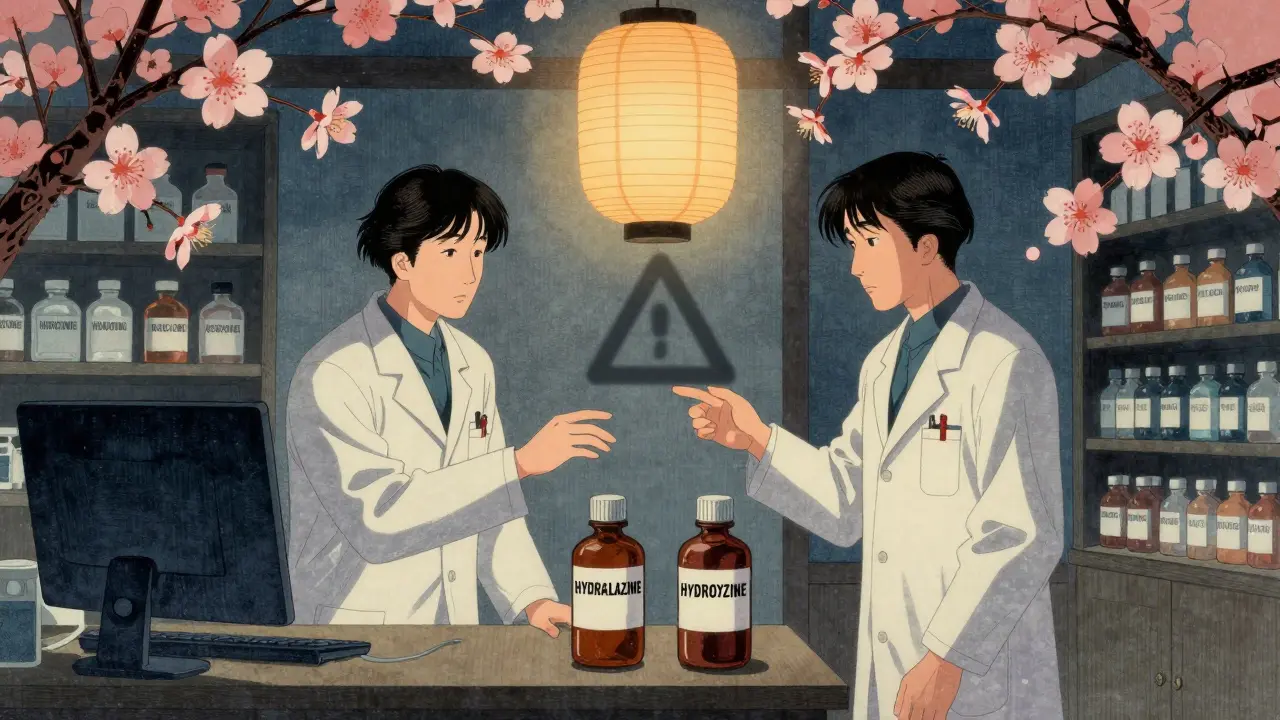
Look-alike packaging in pharmacies causes thousands of preventable errors each year. Learn how physical separation, Tall Man Lettering, and barcode scanning can stop deadly mix-ups before they happen.

Learn how to manage gestational diabetes with practical meal plans and blood sugar targets. Discover the plate method, carb counting, and real food choices that keep you and your baby healthy.
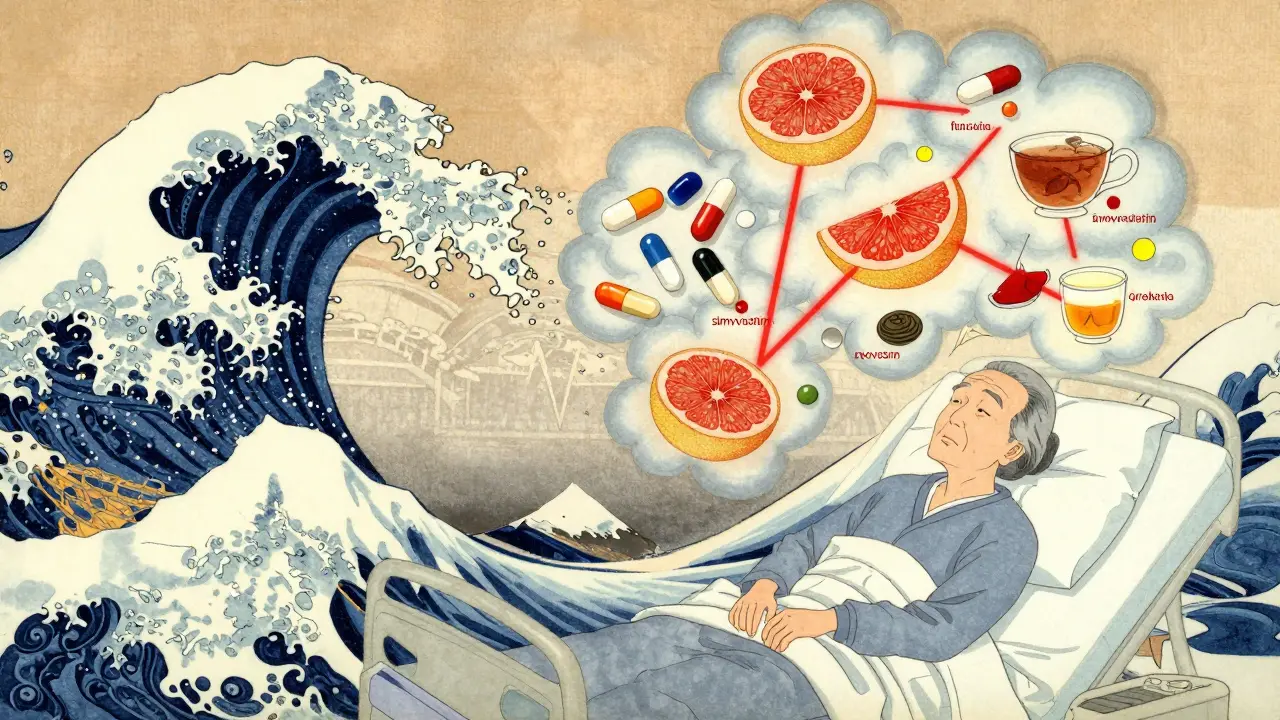
Drug interactions discovered after a medication hits the market can be deadly - and they're more common than you think. Learn how post-market surveillance catches hidden risks, why clinical trials miss them, and what you can do to stay safe.

Evaluating overseas vs. domestic generic manufacturing requires looking beyond price. Factors like lead time, quality control, IP protection, and hidden costs now make domestic production a smarter choice for many businesses.
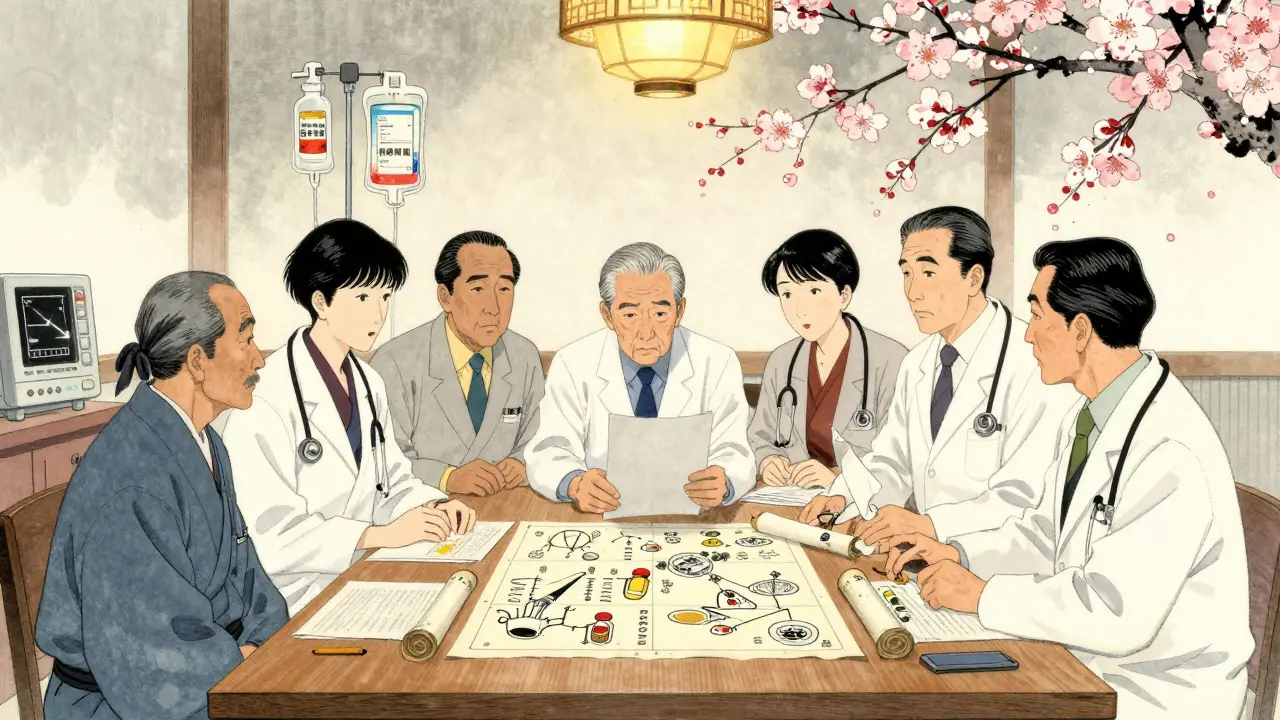
Hospitals don't just pick the cheapest generic drugs-they choose the safest, most reliable ones. Learn how formularies, P&T committees, and hidden costs shape generic drug selection in modern healthcare.

Learn how shared decision-making helps pregnant women choose mental health medications safely, balancing risks of untreated illness against medication effects on the baby. Evidence-based, real-world guidance.