Drug Interactions: What They Are, Why They Matter, and How to Stay Safe
When you take more than one medication, your body doesn’t just see them as separate pills—it sees a drug interaction, a change in how one drug works because of another drug, supplement, or even food. Also known as medication interaction, it can make a drug stronger, weaker, or cause unexpected side effects you never saw on the label. This isn’t rare. Nearly 40% of adults in the U.S. take five or more medications, and each extra pill increases the chance of something going wrong. A simple combo like blood pressure medicine and a common painkiller can spike your potassium to dangerous levels. Or a daily supplement like ashwagandha might push your thyroid meds into overdrive. These aren’t theoretical risks—they show up in ERs, hospital records, and postmarketing reports every day.
Pharmacovigilance, the science of tracking drug safety after approval exists because clinical trials miss what happens in real life. In trials, people are healthy, young, and take one drug at a time. Real patients? They’re older, have multiple conditions, and are on six pills, three herbs, and a stack of vitamins. That’s where side effects, unexpected reactions that appear only after widespread use come from. The postmarketing experience section on your drug label isn’t filler—it’s a warning system. It tells you what others have actually felt: dizziness after mixing antidepressants with sleep aids, stomach bleeding from NSAIDs and blood thinners, or sudden fatigue when statins meet grapefruit juice. These aren’t guesses. They’re real cases, documented by doctors and patients, then compiled by regulators.
And it’s not just pills. Even natural products like turmeric, neem, or probiotics can interfere. Purim, ashwagandha, or Nirdosh supplements might seem harmless, but they’re not regulated like drugs. That means no one checks how they interact with your prescription. Antibiotics can wipe out good gut bacteria and cause yeast infections. Steroids can mess with your adrenal glands if stopped too fast. Even something as simple as skipping a meal with your diabetes meds can throw your blood sugar into chaos. The key isn’t avoiding meds—it’s knowing how they play together.
What you’ll find below isn’t just a list of articles. It’s a practical guide to spotting red flags before they become emergencies. You’ll learn how to read drug labels for hidden warnings, understand why some generics behave differently, and see real examples of dangerous combos—like how opioids affect seniors or how thyroid meds clash with herbal supplements. No fluff. No theory. Just what you need to know to keep yourself safe while taking the meds you need.
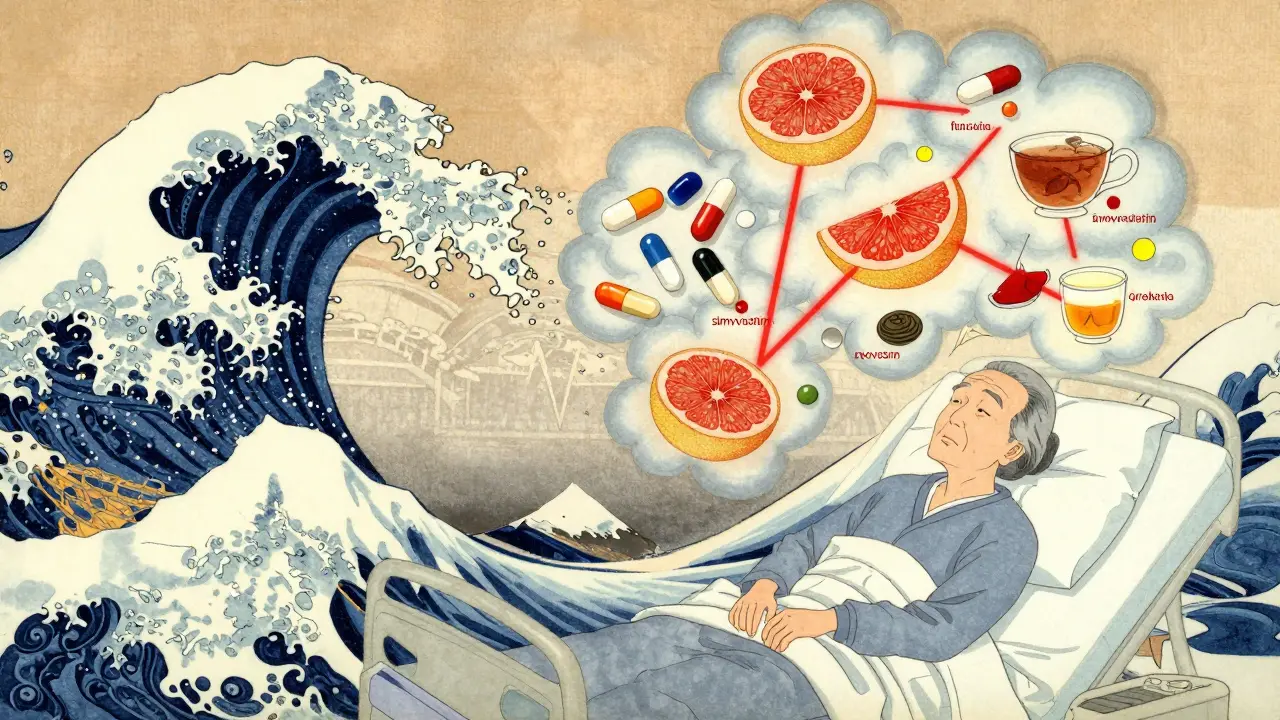
Drug interactions discovered after a medication hits the market can be deadly - and they're more common than you think. Learn how post-market surveillance catches hidden risks, why clinical trials miss them, and what you can do to stay safe.
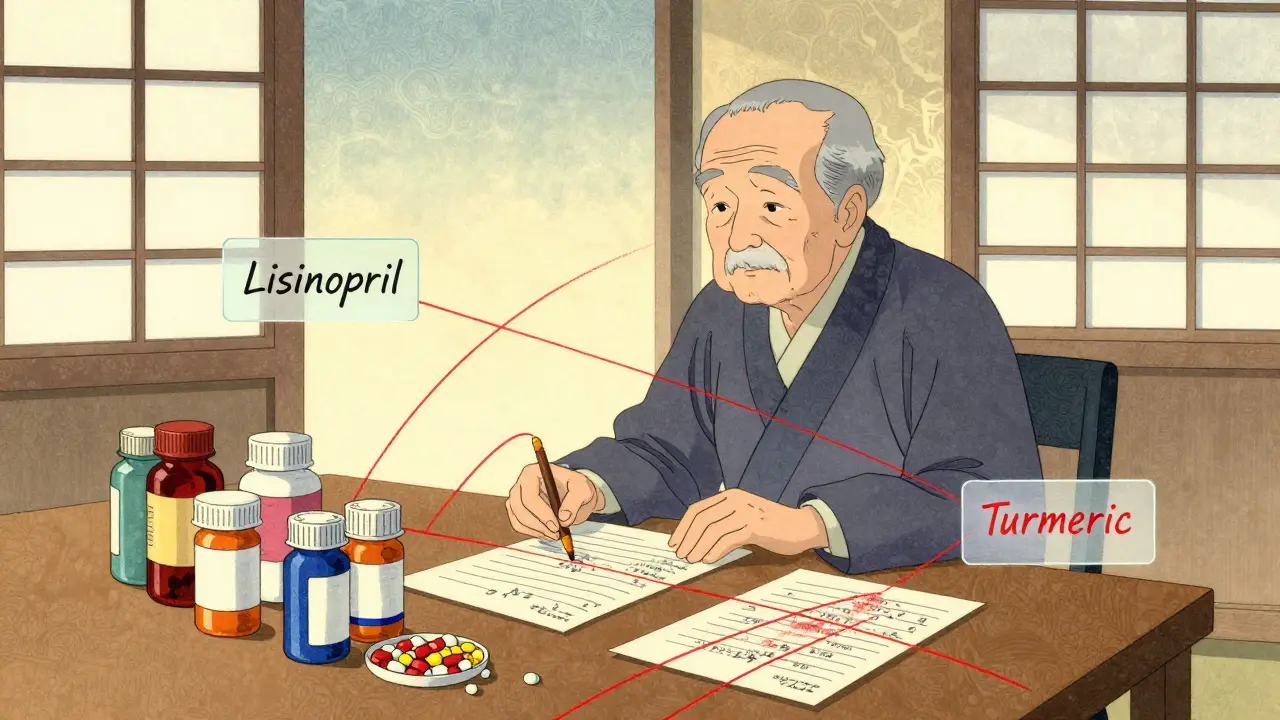
Learn how to safely manage multiple prescriptions by using one pharmacy, syncing refills, using pill organizers, and getting annual medication reviews to avoid dangerous drug interactions and hospital visits.

Taking fluoroquinolone antibiotics with NSAIDs like ibuprofen raises the risk of serious, sometimes permanent nerve and kidney damage. Learn who's most at risk and what safer alternatives exist.
Lithium and NSAIDs can cause dangerous kidney damage and life-threatening toxicity. Learn why this interaction is so risky, which painkillers are safest, and what steps to take to protect your health.
OTC switches let you buy former prescription drugs without a doctor, but they come with hidden risks. Learn how to use them safely, avoid dangerous interactions, and protect yourself from overdose and misdiagnosis.