Vascular Dementia: Causes, Symptoms, and How Medications Affect Progression
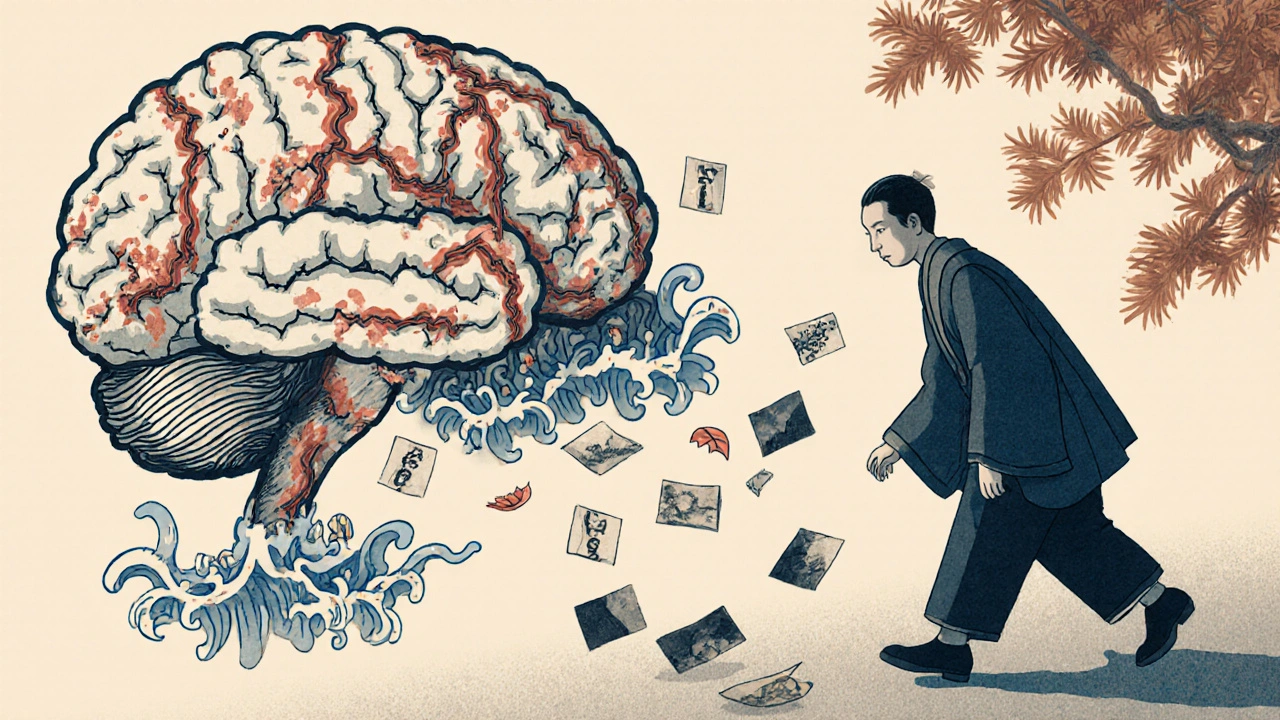
When blood flow to the brain drops too low for too long, it can trigger vascular dementia, a type of cognitive decline caused by damaged blood vessels in the brain. Also known as stroke-related dementia, it doesn’t happen all at once—it builds up over time from small strokes, narrowed arteries, or chronic high blood pressure. Unlike Alzheimer’s, where brain cells slowly die from protein buildup, vascular dementia is about broken pipes. If your brain’s blood supply gets cut off even briefly, parts of it stop working. That’s when memory, thinking, and movement start slipping.
People with high blood pressure, a major risk factor for vessel damage are at highest risk. So are those with diabetes, which harms small blood vessels, or anyone who’s had a heart attack or atrial fibrillation. These conditions don’t just affect the heart—they starve the brain. And here’s the thing: many of the drugs people take for these conditions—like blood thinners, statins, or even some antidepressants—can either help slow decline or accidentally make it worse. For example, a medication that lowers blood pressure too much might cut off what little flow is left to damaged brain areas. That’s why managing drugs isn’t just about treating one condition—it’s about protecting the whole brain.
Symptoms don’t always look like classic memory loss. You might notice sudden trouble walking, frequent falls, or losing bladder control. Mood changes—like apathy or irritability—often show up before memory problems. Some people get better for a while after a stroke, then suddenly decline again after another small vessel event. It’s not linear. That’s why tracking changes over time matters more than any single test. And while there’s no cure, the right mix of lifestyle changes and carefully chosen meds can keep things stable for years.
Below, you’ll find real-world guides on how medications interact with brain health—what to watch for, what to avoid, and how to talk to your doctor about balancing treatments. From drug safety signals to Medicare coverage changes, these posts give you the tools to understand not just vascular dementia, but how the medicines you take every day are shaping your brain’s future.
Vascular, frontotemporal, and Lewy body dementia are three distinct brain disorders with different causes, symptoms, and treatments. Learn how they differ and why correct diagnosis matters for safety and care.