Statin Side Effects: What You Need to Know Before You Take Them
When you take a statin, a class of drugs used to lower LDL cholesterol and reduce heart attack risk. Also known as HMG-CoA reductase inhibitors, they’re among the most prescribed medications in the world—but not without trade-offs. Millions rely on them to protect their hearts, but many don’t realize how common and varied the side effects can be. You might hear about muscle pain or fatigue, but there’s more beneath the surface.
One of the most frequent issues is muscle pain, ranging from mild soreness to rare but dangerous rhabdomyolysis. It’s not just older adults—anyone on statins can experience it, especially if they’re also taking other meds like antibiotics or grapefruit juice. Then there’s statin-induced diabetes, a documented risk where blood sugar levels rise over time, particularly in people already prediabetic. Studies show about a 10% increased chance over five years, and it’s often overlooked because it doesn’t happen right away. Liver enzyme elevation is another quiet red flag; labs might show spikes, but you won’t feel it until damage is done. These aren’t rare anomalies—they’re built into the drug’s profile, and your doctor should track them.
Some people stop statins because of side effects, but that’s not always the right move. Often, switching to a different statin or lowering the dose helps. Others find relief by adding CoQ10, though evidence is mixed. What’s clear is that not all statins are the same—rosuvastatin hits harder than pravastatin, and simvastatin has more muscle-related risks. You need to know which one you’re on, why it was chosen, and what signs to watch for. If you’re tired, weak, or notice dark urine, don’t wait. Get checked. And if you’re on statins but never had high cholesterol to begin with, ask if the benefit still outweighs the risk.
The posts below dig into real cases, hidden risks, and practical ways to manage or avoid these side effects without giving up heart protection. You’ll find what works for others, what doesn’t, and how to talk to your doctor about alternatives—without fear or guesswork.
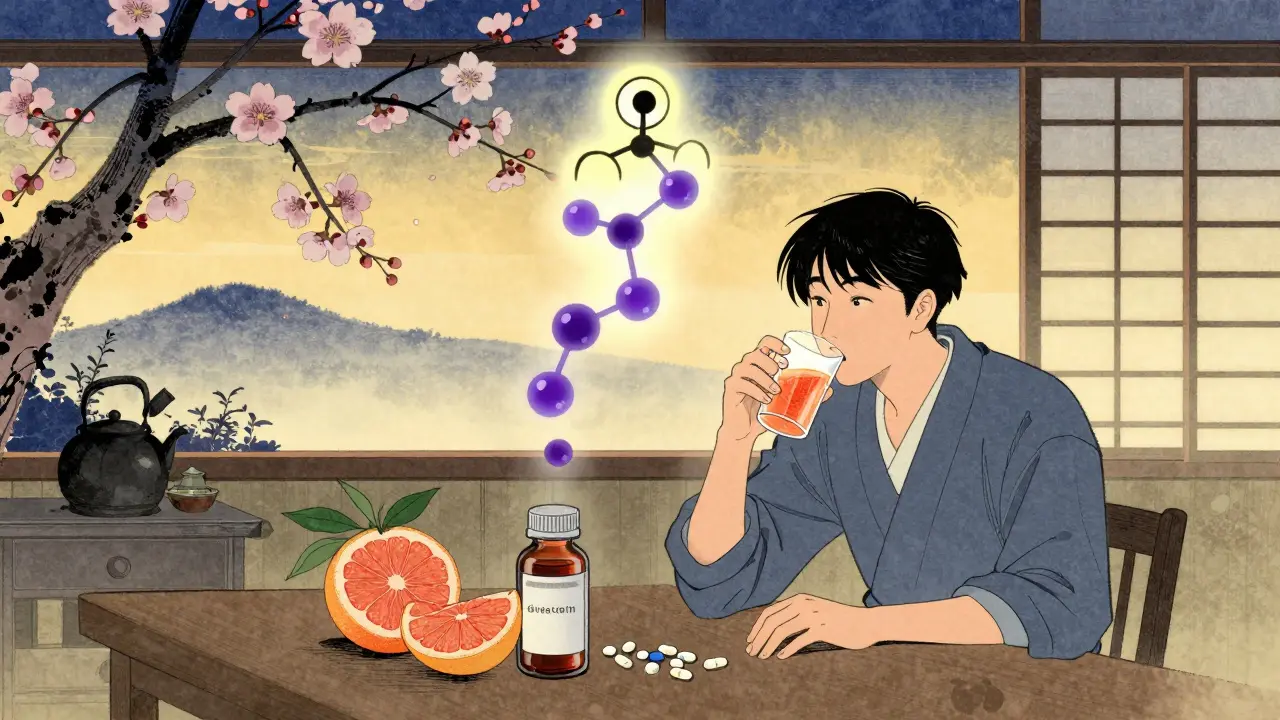
Grapefruit can dangerously raise statin levels in your blood, increasing the risk of muscle damage and kidney failure. Learn which statins are affected, how to stay safe, and what to do if you love grapefruit.
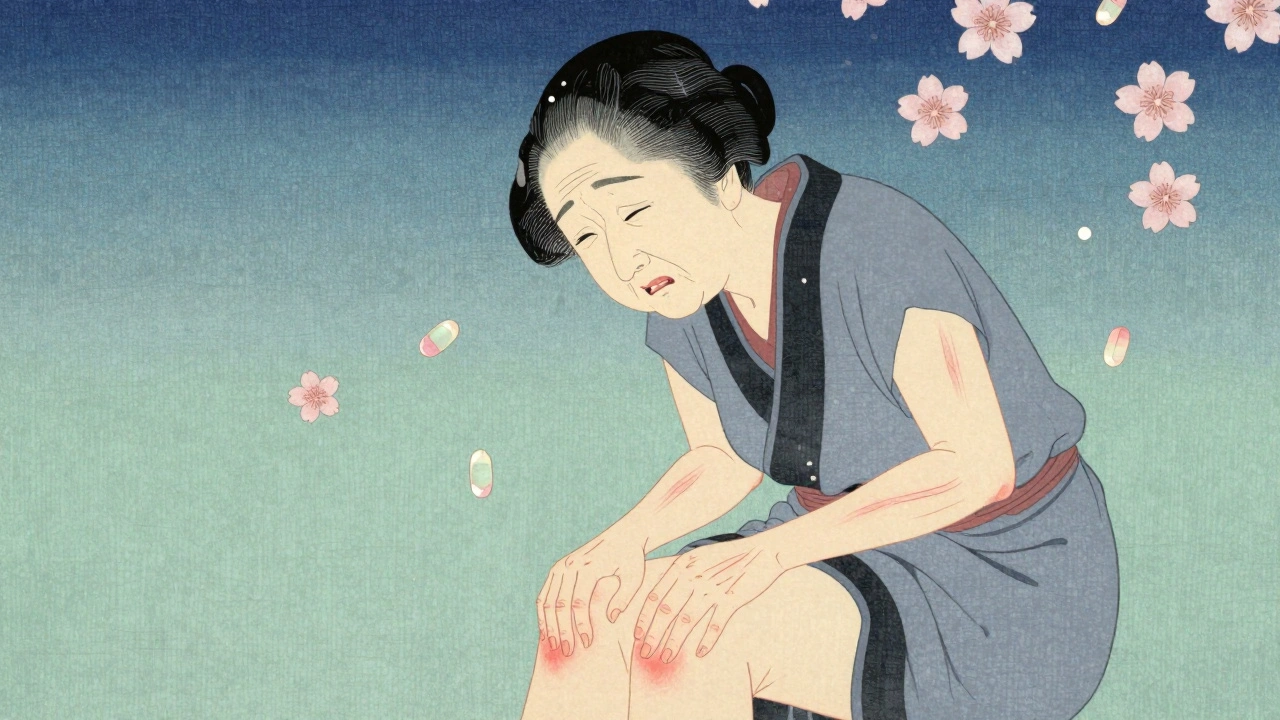
Muscle aches from statins are common but often misunderstood. Learn what's really causing the pain, how to tell if it's serious, and what actually works to manage it without risking your heart health.
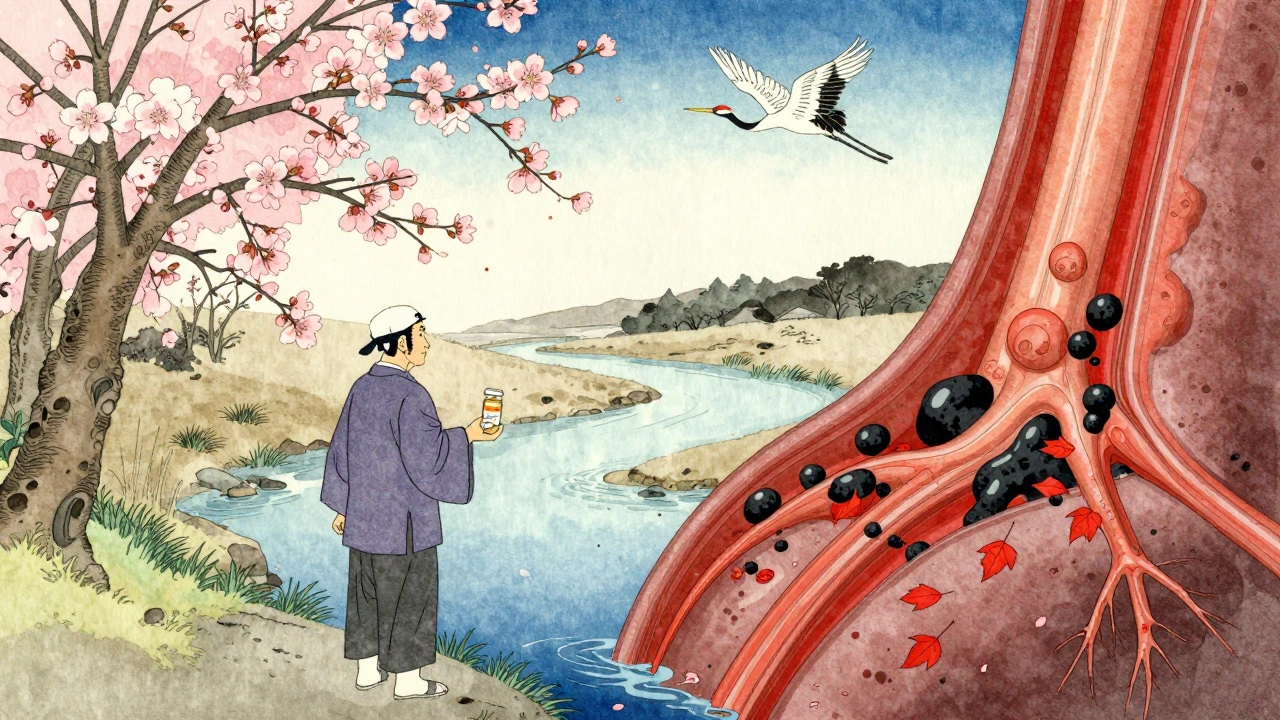
High-dose statins after stroke can reduce recurrent stroke risk by 16%, but increase brain bleeding risk. Learn who benefits, who should avoid them, and what to do if you have side effects.