Prostate Cancer Detection: How It’s Done, What Works, and What to Watch For
When it comes to prostate cancer detection, the process of identifying prostate cancer before symptoms appear, often through screening tests. Also known as early prostate cancer screening, it’s not about finding cancer at every turn—it’s about catching the dangerous kinds early, while avoiding overdiagnosis of harmless ones. This isn’t just a doctor’s checklist. It’s a personal decision shaped by age, family history, and what you’re willing to live with after the test.
Most men start with a PSA test, a blood test that measures prostate-specific antigen, a protein made by the prostate gland. Also known as prostate-specific antigen test, it’s the most common first step. But a high PSA doesn’t mean you have cancer. Infections, enlarged prostates, even bike riding can spike it. That’s why doctors pair it with a digital rectal exam, a physical check where the doctor feels the prostate through the rectum for lumps or hardness. Also known as DRE, it’s quick, uncomfortable, and surprisingly useful. Together, they help decide if you need a prostate biopsy, a procedure where small tissue samples are taken from the prostate to check for cancer cells under a microscope. Also known as prostate needle biopsy, it’s the only way to confirm cancer. But biopsies aren’t risk-free—they can cause bleeding, infection, or false negatives. That’s why some men skip screening entirely, especially if they’re older or have other health issues.
There’s no one-size-fits-all answer. The U.S. Preventive Services Task Force says men 55 to 69 should talk to their doctor about PSA testing—not automatically get it. Men with a family history of prostate cancer or Black men, who face higher risk, might start earlier. And if you’ve had a high PSA before, you’ll likely need more frequent checks. What matters isn’t just the numbers—it’s what you do with them. A rising PSA over time? That’s a red flag. A one-time spike? Maybe not.
What you’ll find in the posts below isn’t a list of medical jargon. It’s real talk about what happens after a test comes back abnormal, how men handle the stress, and what alternatives exist when traditional routes feel too risky or unclear. Some posts dive into how other conditions mimic prostate cancer. Others show how lifestyle choices can influence test results. You won’t find hype. Just clear, practical info from people who’ve been there.
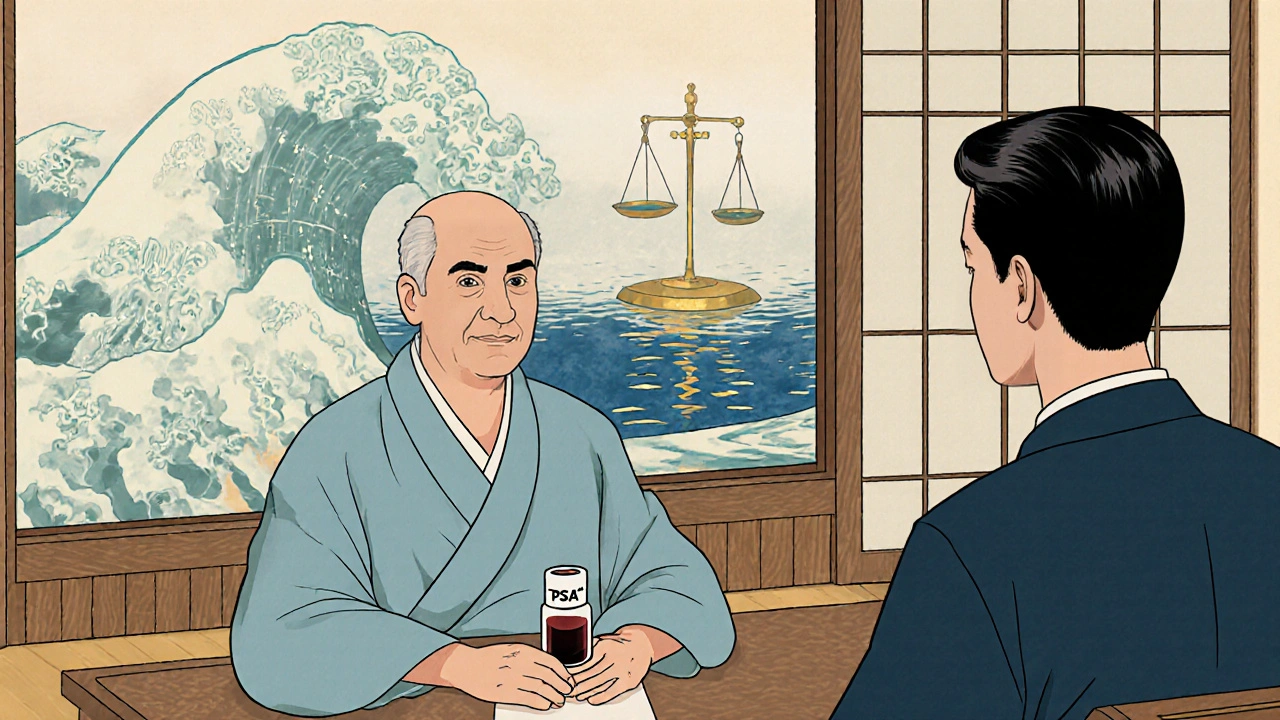
PSA screening for prostate cancer saves some lives but harms many more through overdiagnosis and overtreatment. Shared decision-making between patient and doctor is now the only ethical way to navigate this controversy.