Postoperative Eye Inflammation – Symptoms, Causes & Care
When dealing with Postoperative Eye Inflammation, the swelling and irritation that can follow any eye surgery, marked by redness, pain, and blurry vision. Also known as post‑surgical eye inflammation, it signals the eye’s response to the procedure and needs proper attention.
One of the main triggers is eye surgery, which includes cataract removal, LASIK, or retinal repairs. The surgical act itself disrupts delicate tissues, and the body reacts with inflammatory mediators that cause swelling and discomfort. Because of this, postoperative eye inflammation often shows up within hours to a few days after the operation.
Why It Happens and How to Treat It
Another core element is ocular inflammation, a broader term covering any eye swelling, whether from infection, allergy, or trauma. In the postoperative setting, uncontrolled ocular inflammation can lead to scar tissue, elevated intra‑ocular pressure, or even permanent vision loss. That’s why doctors prescribe steroid eye drops, which work by reducing the release of cytokines and calming the immune response. Proper dosing and timing are critical to avoid side effects like increased eye pressure.
Alongside steroids, antibiotic eye drops are often part of the regimen. They target bacterial contamination that could turn a normal healing process into an infection. Using a broad‑spectrum antibiotic for the first few days helps keep the surgical site clean, especially when sutures are still in place.
Beyond medication, good postoperative care includes keeping the eye protected, avoiding rubbing, and following a strict drop schedule. Patients who follow these steps see faster symptom relief and a lower chance of complications. Simple measures—like using an eye shield at night and applying cold compresses—can further reduce swelling.
Understanding the chain of events makes it easier to spot trouble early. If redness spreads, pain intensifies, or vision worsens despite drops, it may signal an infection or a steroid‑induced pressure rise. In such cases, contacting the surgeon promptly can prevent permanent damage.
In practice, most cases of postoperative eye inflammation resolve within two weeks when patients stick to the prescribed plan. However, certain risk factors—such as pre‑existing autoimmune disease, diabetes, or a history of eye inflammation—can prolong recovery. Tailoring the medication mix to these individual factors improves outcomes.
Below you’ll find a curated list of articles that dive deeper into each aspect: from the science behind steroid drops to real‑world tips for managing symptoms at home. Whether you’re a recent surgery patient or just curious about eye health, the resources ahead give practical guidance you can act on right now.
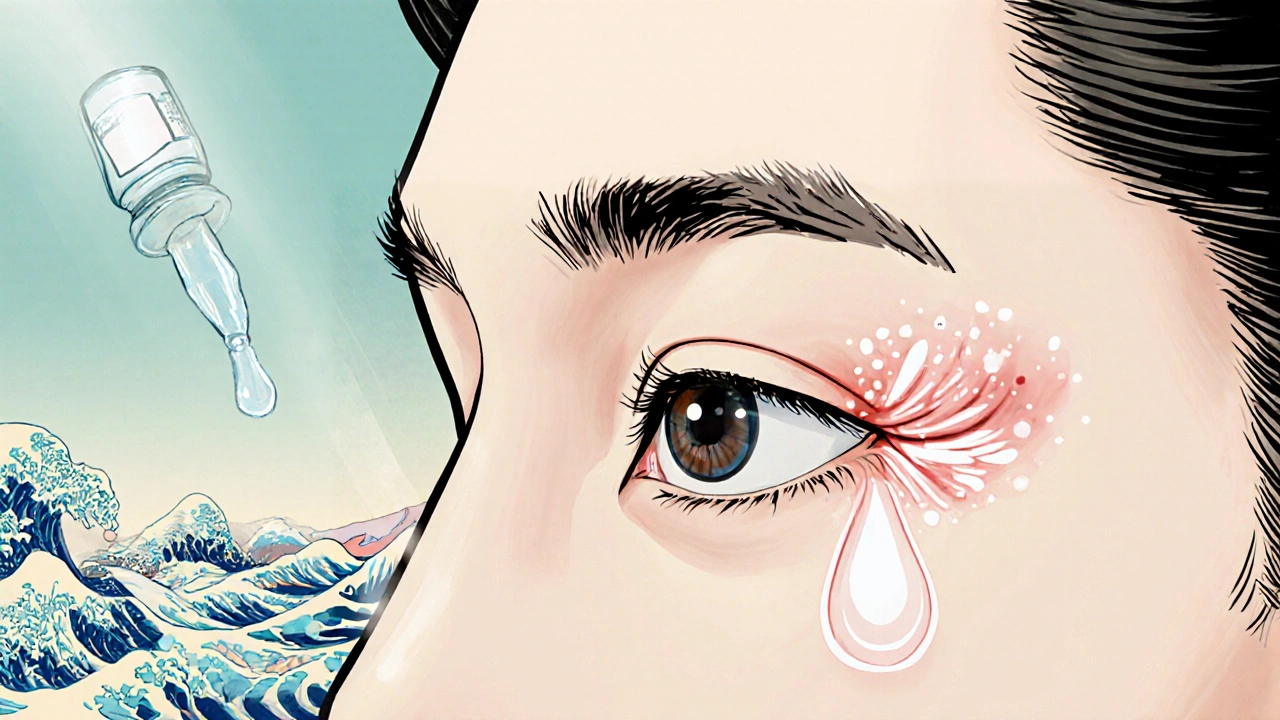
A practical, step‑by‑step guide to controlling eye inflammation after surgery at home, covering drops, cold therapy, monitoring signs, and when to seek help.