Pharmacovigilance: Understanding Drug Safety Monitoring and Real-World Risks
When you take a new medication, you’re trusting that it’s been tested for safety—but what happens after it hits the shelves? That’s where pharmacovigilance, the science and activities related to detecting, assessing, understanding, and preventing adverse effects of medicines. Also known as drug safety monitoring, it’s the hidden system that watches for problems your doctor might never see in a clinical trial. Clinical trials involve a few thousand people over months. Real life? Millions take the drug for years, with other illnesses, different diets, and mixed medications. That’s where the real risks show up—and pharmacovigilance is the only thing catching them.
Pharmacovigilance doesn’t just track obvious reactions like rashes or nausea. It digs into the quiet dangers: a blood thinner that causes internal bleeding in seniors with kidney issues, an antidepressant that triggers suicidal thoughts in teens, or a common painkiller that quietly damages the liver in people taking multiple meds. It’s why the FDA pulls drugs off shelves years after approval. It’s why your doctor asks about every supplement you take. And it’s why posts here cover things like penicillin allergy testing, a process that removes false allergy labels to prevent unsafe antibiotic choices, or why ashwagandha, a popular herbal supplement can mess with thyroid meds. These aren’t random stories—they’re all pieces of the same puzzle: how drugs behave in the real world, not just in labs.
What you’ll find in these posts isn’t theory. It’s real cases: how a steroid taper went wrong because no one checked adrenal function, how an antibiotic led to a yeast infection no one warned you about, how a cheap online thyroid pill could be unsafe because it wasn’t monitored properly. These are all outcomes pharmacovigilance tries to prevent. It’s not about fear—it’s about awareness. You don’t need to be a doctor to understand your own risks. You just need to know what questions to ask, what symptoms to watch for, and how your meds might interact in ways no one told you about. Below, you’ll find clear, no-fluff guides on exactly that—how to spot red flags, what to do when something feels off, and how to protect yourself in a system that’s designed to catch problems… after they happen.
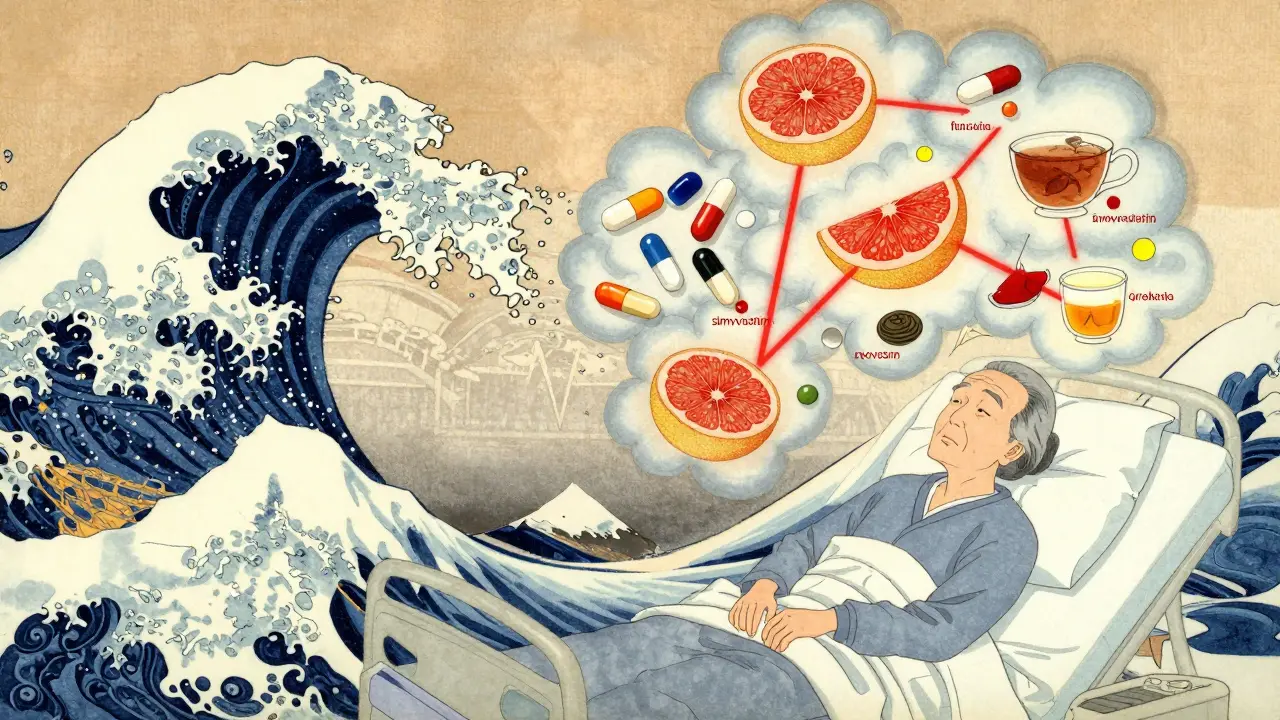
Drug interactions discovered after a medication hits the market can be deadly - and they're more common than you think. Learn how post-market surveillance catches hidden risks, why clinical trials miss them, and what you can do to stay safe.

Drug safety signals reveal hidden risks that clinical trials miss. Learn how rare side effects emerge after approval, how regulators detect them, and why real-world data is critical for patient safety.