NSAID Kidney Risk: What You Need to Know About Painkillers and Kidney Damage
When you take an NSAID, a class of nonsteroidal anti-inflammatory drugs used to reduce pain, fever, and inflammation. Also known as nonsteroidal anti-inflammatories, they include common pills like ibuprofen, naproxen, and aspirin. These drugs are everywhere—your medicine cabinet, the grocery store, your doctor’s prescription pad. But for many people, especially those using them daily, they quietly put stress on the kidneys. The NSAID kidney risk isn’t theoretical. It’s real, preventable, and often ignored until it’s too late.
How do NSAIDs hurt your kidneys? They block chemicals called prostaglandins that help keep blood flowing to your kidneys. Without enough blood flow, your kidneys can’t filter waste properly. This is especially dangerous if you’re older, have high blood pressure, diabetes, or already have reduced kidney function. Even a few weeks of regular use can trigger acute kidney injury in vulnerable people. And if you keep taking them? That temporary drop in function can become permanent damage. The chronic kidney disease, a long-term condition where kidneys lose function over time linked to NSAIDs isn’t rare—it’s one of the most common drug-induced kidney problems seen in clinics.
It’s not just the elderly. People with arthritis, back pain, or migraines who rely on daily NSAIDs are at higher risk. Many don’t realize they’re using them daily—combining Advil for headaches, Aleve for joint pain, and aspirin for heart health. That’s three different NSAIDs adding up. And if you’re also on blood pressure meds like ACE inhibitors or diuretics? The risk multiplies. The kidney damage, loss of kidney filtering ability due to medication, dehydration, or disease from NSAIDs often shows up silently—with no pain, no symptoms—until a blood test reveals elevated creatinine levels.
What can you do? First, know your risk. If you’re over 60, have high blood pressure, or take more than one daily medication, talk to your doctor before using NSAIDs regularly. Second, use the lowest dose for the shortest time possible. Third, consider alternatives: acetaminophen for pain (though it has its own liver risks), physical therapy, heat/cold therapy, or even low-dose antidepressants for chronic pain. And if you’re on NSAIDs long-term, get your kidney function checked at least once a year.
The posts below dig into the real-world side effects of medications—how drugs like NSAIDs show up in postmarketing reports, how they interact with other pills you’re taking, and how to spot hidden risks before they turn into serious problems. You’ll find guides on drug safety signals, how to read warning labels, and what to do when your painkiller might be hurting more than helping. This isn’t about fear—it’s about awareness. Your kidneys don’t scream when they’re in trouble. But with the right info, you can hear them before it’s too late.
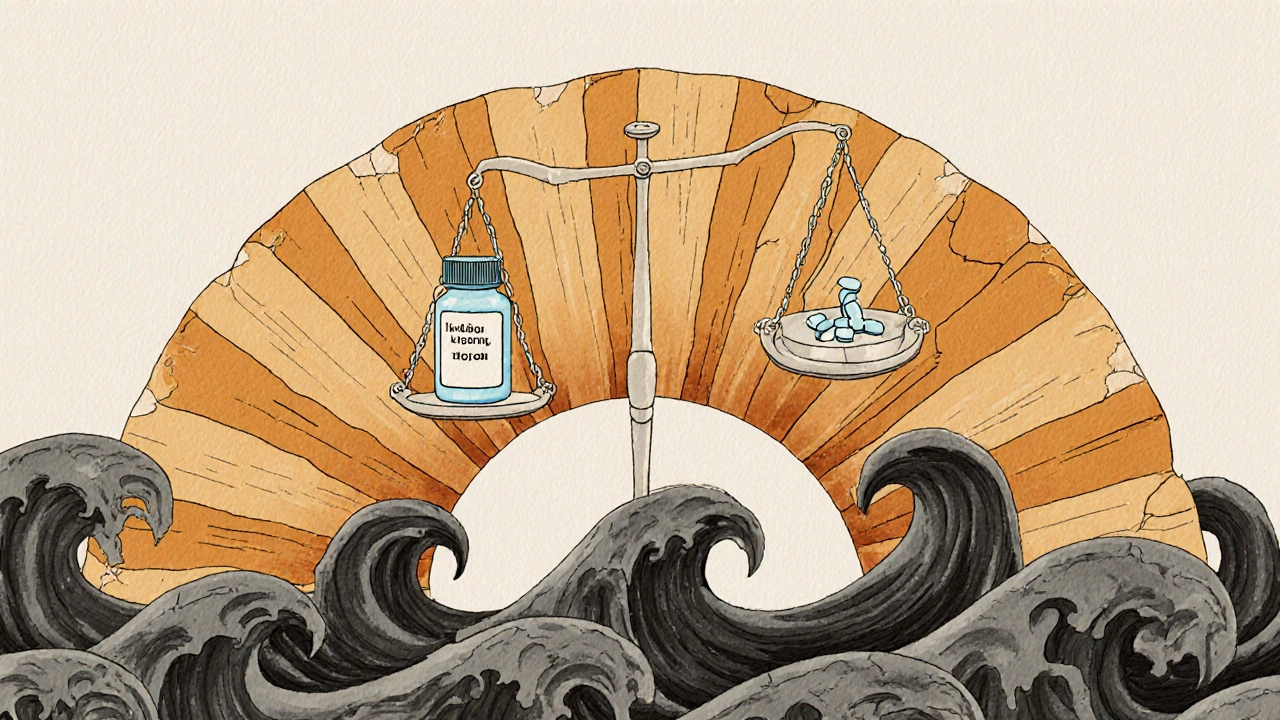
Lithium and NSAIDs can cause dangerous kidney damage and life-threatening toxicity. Learn why this interaction is so risky, which painkillers are safest, and what steps to take to protect your health.