Lithium Toxicity: Signs, Risks, and What to Do If You're Taking It
When you're taking lithium, a mood-stabilizing medication commonly prescribed for bipolar disorder. Also known as lithium carbonate, it helps control extreme mood swings—but it doesn't take much for it to turn harmful. Lithium toxicity isn't rare. It happens when the amount in your blood climbs past safe levels, and that can sneak up on you even if you're doing everything right.
What makes lithium tricky is how thin the line is between healing and harm. A normal blood level is between 0.6 and 1.2 millimoles per liter. Go above 1.5, and you're in danger zone. Above 2.0, and you could be facing serious problems—tremors, confusion, seizures, even kidney damage. It's not just about taking too much at once. Dehydration, salt changes, kidney issues, or mixing it with common drugs like ibuprofen or diuretics can quietly push your levels up. Many people don't realize they're at risk until symptoms show up.
That's why regular blood tests aren't optional—they're life-saving. If you're on lithium, your doctor should check your levels every few months, especially after any dose change or if you get sick. And if you notice new shaking hands, frequent urination, blurry vision, or feeling unusually foggy, don't wait. These aren't just side effects—they're red flags. Lithium toxicity can be reversed if caught early, but delaying care can lead to permanent damage.
You'll also find posts here that dig into how other medications interact with lithium, why some people are more at risk than others, and what to do if you're switching treatments. There are real stories about people who thought they were safe but ended up in the ER because they didn't know how easily lithium levels can shift. You'll see how dehydration from a bad flu, a new blood pressure pill, or even cutting back on salt can trigger toxicity without anyone realizing it.
This isn't about scaring you. It's about giving you control. Lithium works wonders for millions, but only if you know the warning signs and how to protect yourself. The posts below cover everything from what lab results mean to how to talk to your doctor about risks, and what alternatives exist if lithium stops being safe for you. You don't need to guess. You just need to know what to look for—and what to ask.
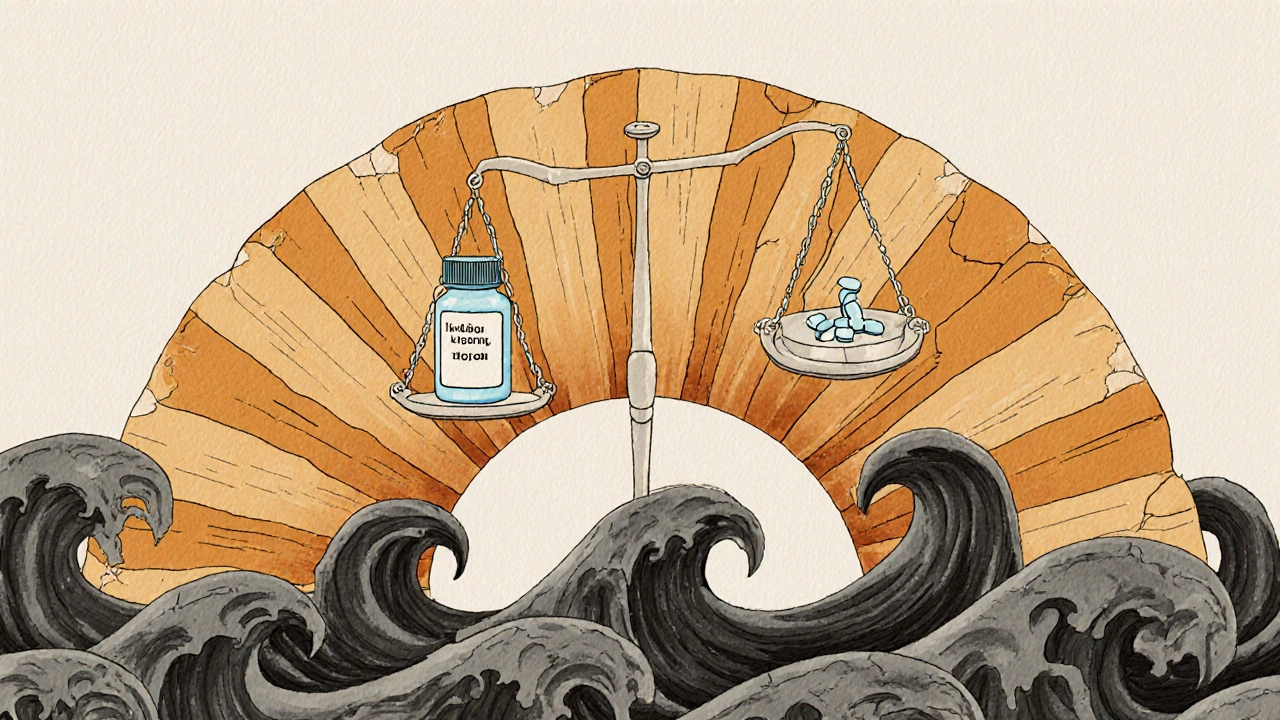
Lithium and NSAIDs can cause dangerous kidney damage and life-threatening toxicity. Learn why this interaction is so risky, which painkillers are safest, and what steps to take to protect your health.