Lithium Nephrotoxicity: Risks, Signs, and What to Do
When you take lithium, a mood-stabilizing drug commonly used to treat bipolar disorder. Also known as lithium carbonate, it helps control manic and depressive episodes—but it doesn’t come without risks. One of the most serious is lithium nephrotoxicity, kidney damage caused by long-term lithium use. It’s not rare. Studies show up to 30% of people on lithium for over 10 years develop some form of kidney impairment. This isn’t a sudden crash—it’s slow, silent, and often missed until it’s advanced.
Lithium nephrotoxicity doesn’t always mean failure. It can show up as nephrogenic diabetes insipidus, a condition where the kidneys can’t concentrate urine, leading to extreme thirst and frequent urination. Many people mistake this for just drinking too much water. But if you’re going to the bathroom every hour, day and night, and your urine is clear as water, your kidneys are struggling. Another form is chronic interstitial nephritis, which slowly scars kidney tissue. Over time, this can lead to reduced kidney function, high creatinine levels, and even kidney failure. It’s not just about the dose—it’s about how long you’ve been on it, your age, hydration habits, and whether you’re taking other drugs like NSAIDs or ACE inhibitors that stress the kidneys.
What makes this worse? People often don’t get regular blood tests. Lithium levels should be checked every 3–6 months, but kidney function tests—like eGFR and serum creatinine—are just as important. If your doctor isn’t ordering them, ask. And if you’re on lithium and start taking ibuprofen, naproxen, or even some blood pressure meds, talk to your pharmacist. These can spike lithium levels and push your kidneys over the edge. The good news? If caught early, switching to a different mood stabilizer or adjusting your dose can stop further damage. Your kidneys might even recover some function.
Below, you’ll find real-world insights from people who’ve lived with lithium for years—what worked, what didn’t, and how they managed side effects without losing control of their mental health. You’ll also see how other medications interact with lithium, what lab results to watch, and when it’s time to consider alternatives. This isn’t just about avoiding harm. It’s about staying stable, healthy, and in control—for the long haul.
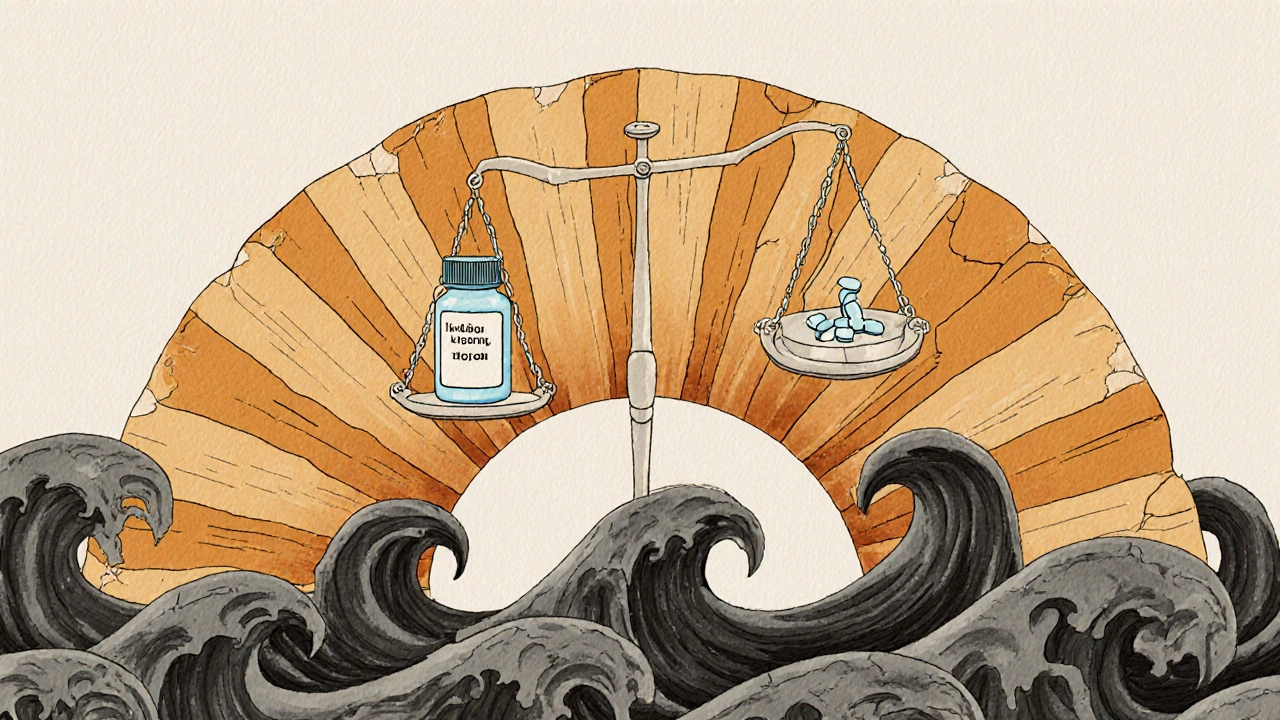
Lithium and NSAIDs can cause dangerous kidney damage and life-threatening toxicity. Learn why this interaction is so risky, which painkillers are safest, and what steps to take to protect your health.