Lithium and NSAIDs: Risks, Interactions, and What You Need to Know
When you take lithium, a mood-stabilizing medication used primarily for bipolar disorder. Also known as lithium carbonate, it works by balancing brain chemicals—but its narrow safety window means even small changes in your body can push it into dangerous territory. Many people on lithium also take NSAIDs, nonsteroidal anti-inflammatory drugs like ibuprofen, naproxen, or celecoxib, used for pain, swelling, or arthritis. These are common, over-the-counter fixes for everyday aches. But when mixed with lithium, they don’t just sit side by side—they change how your body handles the drug.
Here’s the real problem: NSAIDs reduce blood flow to your kidneys. Lithium is cleared from your body almost entirely through your kidneys. When kidney function drops—even slightly—lithium builds up. That’s not a slow, harmless rise. It’s a spike that can cause nausea, tremors, confusion, or worse: seizures, kidney damage, or even coma. Studies show that taking ibuprofen for just a few days can raise lithium levels by 25% or more. That’s enough to cross the line from therapeutic to toxic. And it doesn’t matter if you’ve been on lithium for years. One new painkiller can change everything.
This isn’t just about prescription NSAIDs. Even a single Advil or Aleve can do it. People often think, "It’s just a pill for my headache," but with lithium, there’s no such thing as "just a pill." Your doctor needs to know every medication, supplement, or OTC drug you’re using—even herbal ones. Some supplements, like St. John’s Wort or high-dose omega-3s, can also interfere, but NSAIDs are the most common and dangerous culprits. If you’re on lithium and start taking an NSAID, watch for signs: shaky hands, slurred speech, dizziness, frequent urination, or stomach upset. These aren’t normal side effects—they’re red flags.
What should you do? First, never start or stop an NSAID without talking to your prescriber. Second, if you need pain relief, acetaminophen (Tylenol) is usually the safer choice—it doesn’t affect kidney blood flow the same way. Third, if you’re sick, injured, or dehydrated, lithium levels can climb even faster. Drink water, avoid diuretics like caffeine or alcohol, and get your lithium checked more often during these times. Your doctor may order a blood test before and after you start a new medication. That’s not overkill—it’s standard safety.
There’s no magic fix. Lithium works well for many people, but it demands attention. NSAIDs are everywhere, easy to grab, and rarely labeled as risky with mood meds. That’s why awareness matters. You’re not being paranoid if you ask, "Will this hurt my lithium?" You’re being smart. The posts below show real cases, practical steps, and alternatives that keep you protected without giving up pain relief. You’ll find what to avoid, what to ask your pharmacist, and how to track your health so you stay in control.
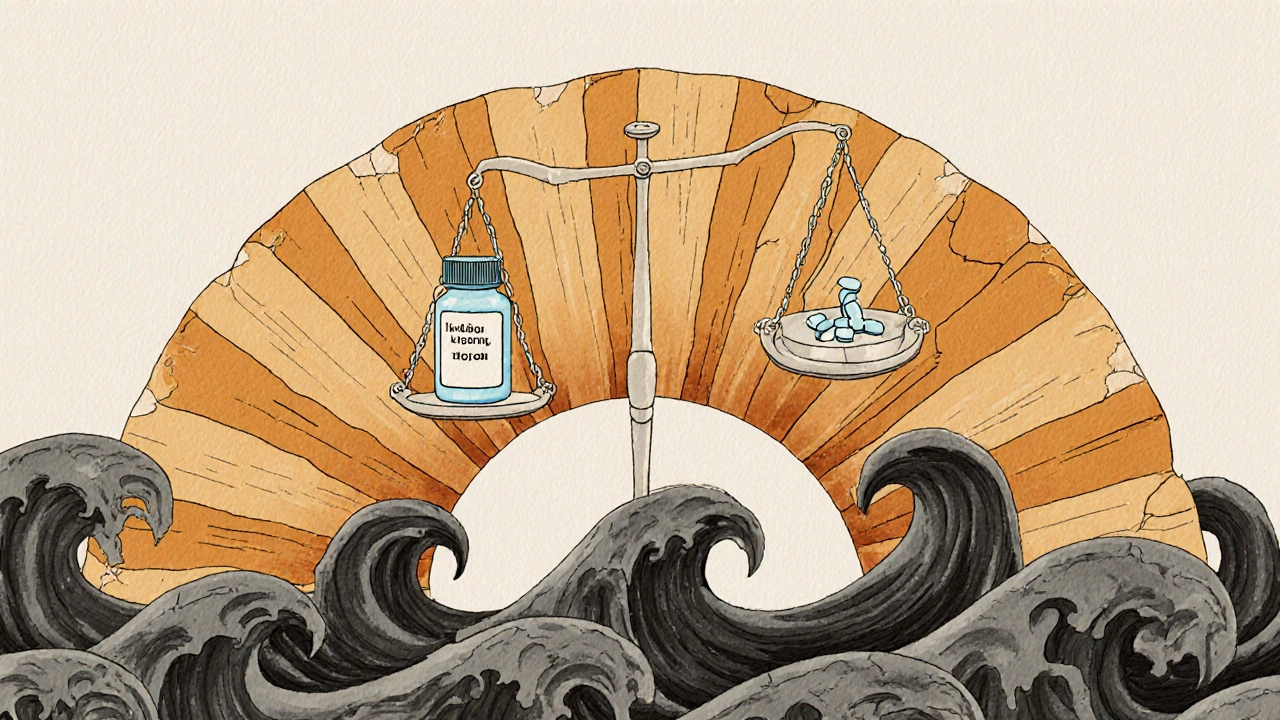
Lithium and NSAIDs can cause dangerous kidney damage and life-threatening toxicity. Learn why this interaction is so risky, which painkillers are safest, and what steps to take to protect your health.