Elevated Liver Enzymes: Causes, Risks, and What to Do Next
When your blood test shows elevated liver enzymes, chemicals released by liver cells when damaged or stressed. Also known as raised transaminases, they’re not a disease themselves—but a red flag that something’s off in your liver. The two most common ones are ALT (alanine aminotransferase) and AST (aspartate aminotransferase). High levels mean liver cells are leaking these enzymes into your bloodstream, usually because they’re under stress, inflamed, or dying.
Many things can trigger this. ALT, a liver-specific enzyme spikes most often with viral hepatitis, fatty liver, or alcohol damage. AST, also found in muscle and heart tissue can rise from muscle injury or heart issues too, so it’s less specific. But when both are up, especially ALT higher than AST, your liver is likely the source. Medications are a major culprit—antibiotics, statins, NSAIDs, even some herbal supplements like kava or green tea extract can cause drug-induced liver injury, a hidden side effect that shows up on routine blood work. You might not feel sick, but your liver is quietly reacting.
It’s not always bad news. Mild elevations—say, 1.5 to 2 times normal—often go away on their own, especially if you cut back on alcohol, lose weight, or stop a new medication. But if numbers climb higher, or stay high for months, it’s a sign to dig deeper. Fatty liver from obesity, autoimmune conditions, or even genetic disorders like hemochromatosis can sneak in without symptoms. That’s why doctors don’t just look at the numbers—they ask about your meds, your drinking, your weight, your family history. A simple blood test can open the door to something serious… or just a lifestyle tweak.
You’ll find posts here that break down exactly how common drugs like statins, antibiotics, and even OTC painkillers can spike these enzymes. Others show how conditions like hepatitis or NAFLD show up in lab results, and what steps to take next—whether it’s changing your diet, switching meds, or getting more tests. No fluff. Just what the numbers mean, what to watch for, and what to do when your doctor says your liver enzymes are up.
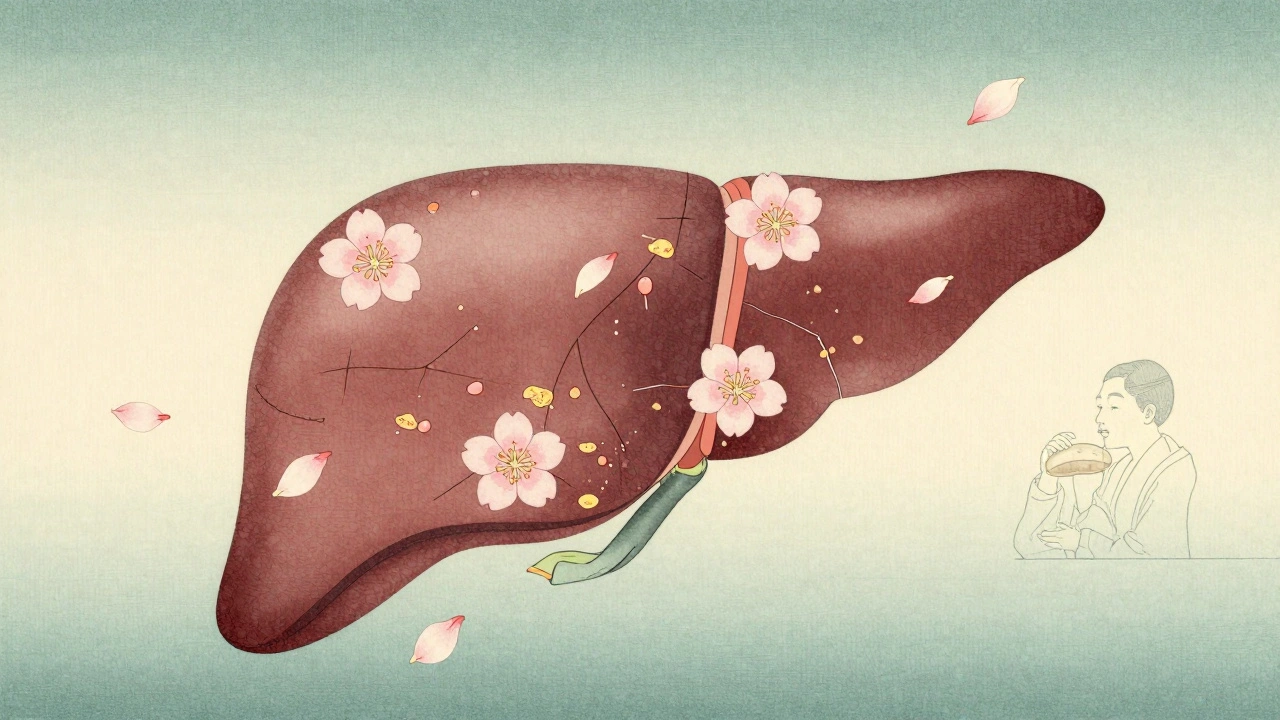
Celiac disease can cause elevated liver enzymes and fatty liver, often before gut symptoms appear. A strict gluten-free diet reverses most liver abnormalities in 12-18 months, but processed gluten-free foods may worsen fatty liver. Screening is key for early intervention.