
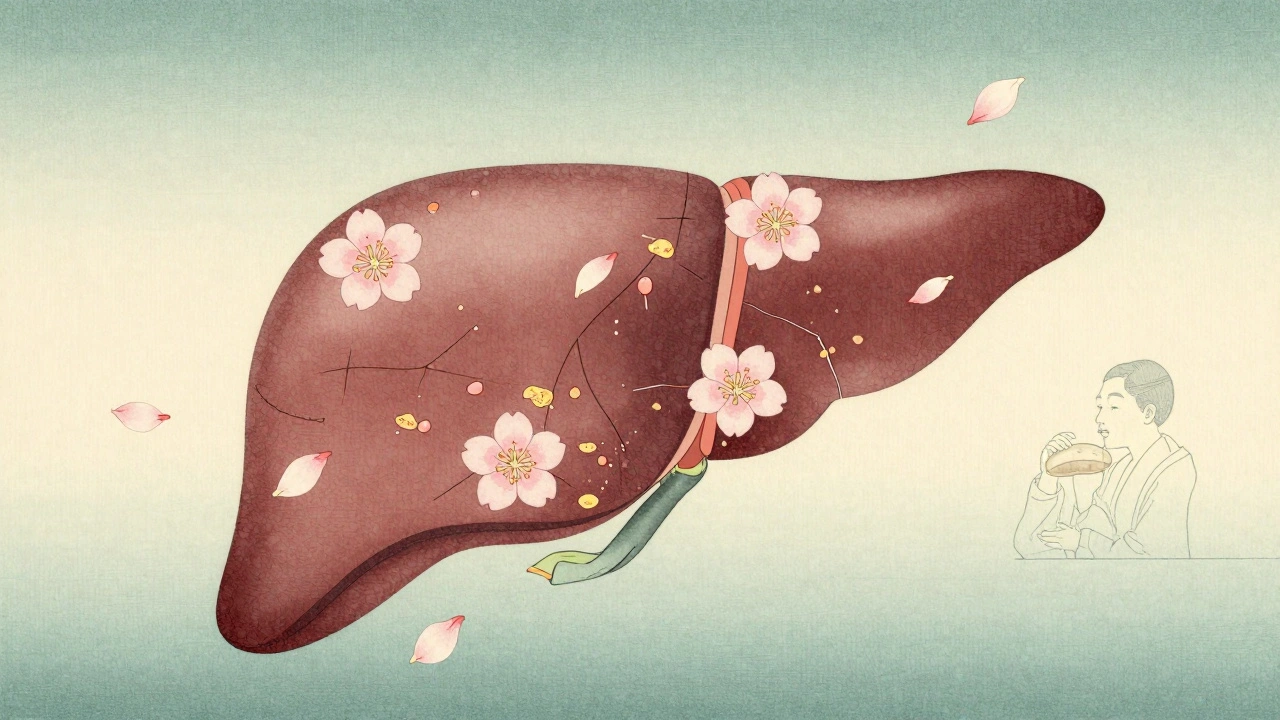
When you hear about celiac disease, you think of bloating, diarrhea, or stomach pain. But what if your liver is the first sign something’s wrong? Many people with celiac disease don’t realize their liver is under stress-until a routine blood test shows abnormal enzymes. It’s not rare. In fact, up to 40% of untreated celiac patients have elevated liver enzymes, often before any gut symptoms appear. This isn’t just a coincidence. There’s a real, measurable link between gluten intolerance and liver damage-and understanding it can save your liver.
Why Your Liver Gets Affected by Celiac Disease
Celiac disease is an autoimmune condition. When you eat gluten, your immune system attacks the lining of your small intestine. But it doesn’t stop there. The same immune overreaction can spill over into other organs, including the liver. Researchers call this "celiac hepatitis"-a term that describes liver inflammation directly caused by celiac disease, not by alcohol, viruses, or fatty liver. The connection isn’t just about autoimmunity. When the gut lining gets damaged, it becomes leaky. Toxins, bacteria, and undigested food particles slip through into your bloodstream and head straight to the liver. Your liver, which normally filters these out, gets overwhelmed. Over time, this constant bombardment causes inflammation and fat buildup. Another big factor is malabsorption. Without healthy gut villi, your body can’t absorb fat-soluble vitamins like A, D, E, and K. These vitamins protect liver cells. When they’re missing, your liver becomes more vulnerable to damage. It’s not just about what you’re eating-it’s about what you’re not absorbing.What Liver Abnormalities Show Up in Celiac Patients
The most common sign is elevated liver enzymes, especially ALT and AST. Studies show that 36.7% of people with celiac disease have abnormal levels, compared to just 19.3% of people without it. In most cases, both enzymes rise together-70% of the time. That pattern is a red flag. It’s not typical for simple fatty liver, which usually only raises ALT. Liver biopsies from celiac patients reveal a few key findings:- Steatosis (fatty liver) in 25-50% of cases
- Fibrosis (scarring) in 10-15%
- Signs of autoimmune hepatitis in a smaller but significant group
The Surprising Link to MASLD
In 2023, the medical world renamed "non-alcoholic fatty liver disease" to MASLD-metabolic dysfunction-associated steatotic liver disease. That change wasn’t just semantic. It highlighted how closely liver fat is tied to diet, insulin resistance, and weight gain. Here’s the twist: a gluten-free diet, which should help your liver, can sometimes make MASLD worse. Many gluten-free products are loaded with sugar, refined starches, and unhealthy fats to make them taste good. People with celiac disease often gain weight after going gluten-free-not because of the diet itself, but because they’re eating more processed snacks, breads, and pastries labeled "gluten-free." Studies show that celiac patients are twice as likely to develop MASLD as the general population. And if you’re already overweight or have insulin resistance, the risk jumps even higher. It’s a cruel irony: the treatment for one condition creates the risk for another.Autoimmune Liver Diseases That Coexist with Celiac
Celiac disease doesn’t just cause liver problems-it often teams up with other autoimmune liver diseases. About 4-6.4% of people with autoimmune hepatitis also have celiac disease. The reverse is also true: 1-2% of celiac patients develop autoimmune hepatitis, primary biliary cholangitis, or primary sclerosing cholangitis. These aren’t random overlaps. They share genetic roots. People with celiac disease often carry HLA-DQ2 or HLA-DQ8 genes. These same genes increase the risk for autoimmune liver disorders. That’s why doctors now screen celiac patients for liver autoantibodies if enzymes stay high after going gluten-free.
How Long Does It Take for the Liver to Heal?
The good news? In most cases, the liver heals itself-once you stop eating gluten. Research from Beth Israel Deaconess Medical Center found that 79% of celiac patients with abnormal liver enzymes saw them return to normal within 12 to 18 months on a strict gluten-free diet. For 85%, normalization happened within a year. That’s faster than most liver conditions respond to medication. But here’s the catch: you have to be strict. Even small amounts of gluten-like crumbs on a shared toaster or soy sauce with hidden wheat-can keep liver enzymes elevated. A 2023 study showed that patients who worked with a celiac-specialized dietitian normalized their enzymes 30% faster than those who just got general advice.What to Do If Your Liver Enzymes Stay High
If your enzymes haven’t improved after 12 months on a gluten-free diet, don’t assume it’s just "slow healing." It’s time to dig deeper. Your doctor should check for:- Autoimmune hepatitis (test for AMA, ANA, ASMA antibodies)
- Primary biliary cholangitis (test for AMA)
- MASLD (assess weight, waist size, insulin levels)
- Other causes: viral hepatitis, alcohol use, medications
Dietary Tips to Protect Your Liver
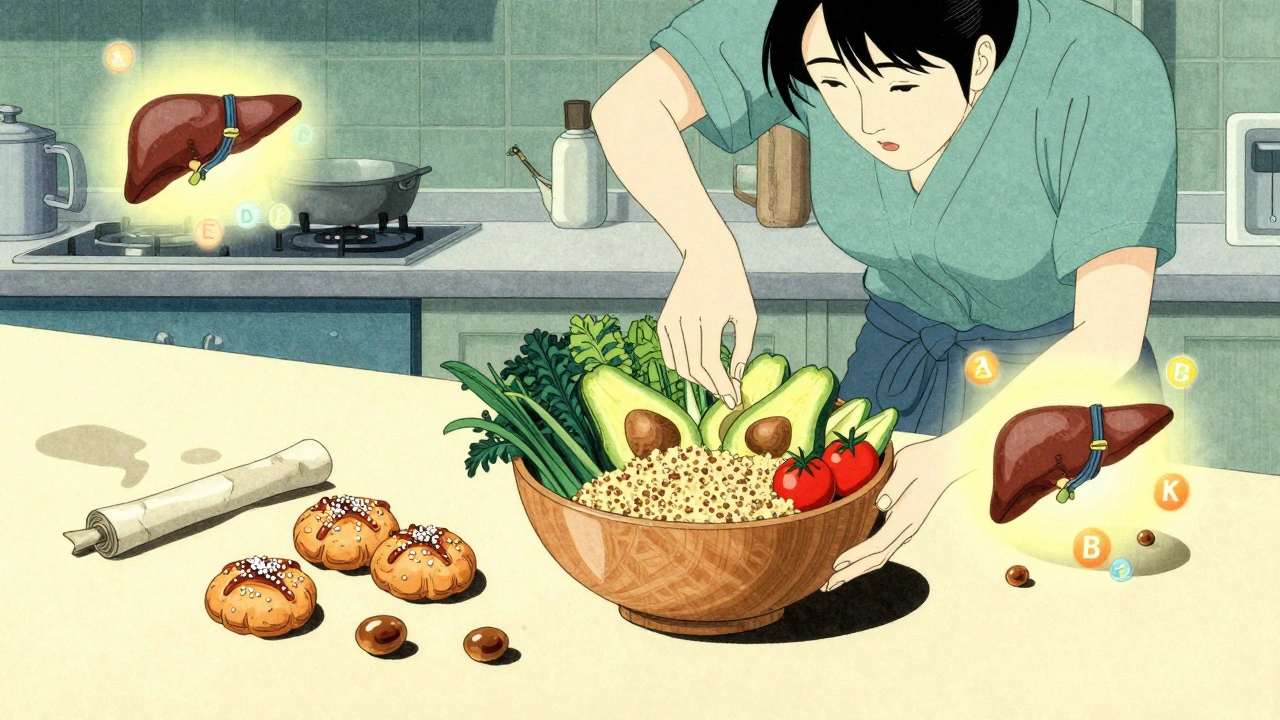
Going gluten-free isn’t enough. You need to go healthy gluten-free. Avoid:- Gluten-free cookies, cakes, and pastries
- Processed gluten-free breads with added sugar
- Refined starches like white rice flour, tapioca, and potato starch
- Whole foods: vegetables, fruits, legumes
- Lean proteins: chicken, fish, eggs, tofu
- Whole gluten-free grains: quinoa, buckwheat, millet, amaranth
- Healthy fats: avocado, olive oil, nuts, seeds
Screening and Future Research
In 2024, the European Association for the Study of the Liver updated its guidelines: all patients with cryptogenic cirrhosis (liver scarring with no clear cause) should be tested for celiac disease. Why? Because 4.7% of them have it-and most didn’t know. New research is looking at genetic markers. Scientists at the University of Helsinki are tracking 500 celiac patients over 10 years to see if longer gluten exposure before diagnosis leads to worse liver damage. Early data suggests people with two copies of the HLA-DQ2 gene (homozygous) are 2.3 times more likely to develop liver problems. Pharmaceutical companies are also stepping in. Takeda is testing a new enzyme therapy that breaks down gluten in the stomach before it reaches the gut. If it works, it could reduce liver inflammation in people who accidentally ingest gluten.What Patients Are Saying
On online forums, patients describe the same pattern: > "My ALT was 142. Doctors thought I had fatty liver from weight gain. Then I got diagnosed with celiac. After six months gluten-free, my ALT dropped to 38. No meds. Just food." - Reddit user, March 2023 > "I had zero stomach issues. Just fatigue. My liver enzymes were off for two years before anyone connected it to gluten." - Celiac Foundation survey respondent, 2022 Most didn’t know about the liver link until after diagnosis. That’s why awareness matters.Can celiac disease cause permanent liver damage?
In most cases, no. If you start a strict gluten-free diet early, liver enzymes usually return to normal within a year, and liver tissue can repair itself. But if celiac disease goes undiagnosed for many years-especially with ongoing gluten exposure-scarring (fibrosis) can develop. Once fibrosis becomes cirrhosis, it’s harder to reverse. That’s why early diagnosis and strict diet adherence are critical.
Do I need a liver biopsy if I have celiac disease?
Not routinely. Most people only need one if liver enzymes stay high after 12 months on a gluten-free diet, or if imaging shows signs of scarring. Blood tests and ultrasounds are usually enough to start. A biopsy is reserved for cases where doctors suspect autoimmune hepatitis or advanced fibrosis.
Can I drink alcohol if I have celiac disease and liver abnormalities?
It’s best to avoid it. Your liver is already under stress from gluten-related inflammation and possible fatty buildup. Alcohol adds another burden. Even moderate drinking can speed up liver damage. If you choose to drink, stick to very small amounts and only after your enzymes have normalized for at least 6 months.
Why do some celiac patients have normal liver enzymes?
Not everyone’s liver is affected. The risk depends on genetics, how long gluten was consumed before diagnosis, and overall diet quality. Some people have strong liver resilience, while others are more vulnerable to autoimmune cross-reactions or gut leakage. It’s unpredictable-but screening everyone ensures no one slips through the cracks.
Is a gluten-free diet enough to fix liver damage from celiac disease?
For most people, yes-but only if it’s healthy. Eating processed gluten-free junk food won’t help your liver. You need whole foods, low sugar, and good nutrition. Some people also need vitamin supplements (especially E and D) if they were severely malnourished. But the diet itself is the main treatment. No pills, no injections-just clean eating.
12 Comments
So let me get this straight-you eat gluten, your gut screams, and suddenly your liver starts throwing a tantrum? No wonder people are dying from ‘mystery’ liver failure. This isn’t rocket science, it’s basic biology. Stop blaming processed food and start blaming yourself for ignoring the warning signs for years.
Gluten is the new tobacco
Doctors knew this 20 years ago
You just didn’t listen
Now your liver’s paying the price
And you’re surprised?
The pathophysiological cascade initiated by gluten-induced zonulin dysregulation leads to endotoxemia-driven hepatic Kupffer cell activation, which in turn triggers a TLR4-mediated inflammatory cascade culminating in steatohepatitis-particularly in HLA-DQ2 homozygotes. The irony? The very ‘gluten-free’ industrial complex exacerbates metabolic dysfunction via glycemic volatility and lipid peroxidation. We’re not treating celiac-we’re commodifying it.
And don’t get me started on how Takeda’s enzymatic therapy is just a Band-Aid on a hemorrhaging artery. You don’t fix a broken immune system with a pill. You fix it with epigenetic recalibration and ancestral dietary alignment.
Did you know? Gluten is laced with glyphosate. The liver doesn’t just react to gluten-it’s reacting to the poison they spray on wheat. Big Pharma doesn’t want you to know this. The FDA? Complicit. Your ‘gluten-free’ snacks? Still loaded with toxins. You’re not healing-you’re just swapping one poison for another.
And they’re testing enzymes? That’s not science-that’s corporate cover-up. They want you dependent on pills, not diet. Wake up.
Listen-I’ve seen this in Nigeria too. People think gluten is a Western problem. No. It’s a human problem. Your gut is your second brain. When it bleeds, your liver bleeds with it. I’ve counseled young men with ALT levels through the roof-no alcohol, no obesity-just years of maize and wheat with no diagnosis.
It’s not about being ‘strict.’ It’s about being aware. Your body isn’t broken. It’s screaming. And most of us have been trained to ignore screams. That’s the real disease.
Start with vegetables. Not gluten-free bread. Vegetables. Your liver will thank you before your stomach does.
Bro this is wild i had no idea my liver was crying over my gluten free pancakes
just went gluten free last year and thought i was doing so good
turns out i was just eating sugar bricks labeled ‘gluten free’
im switching to quinoa bowls and veggies now
also i think i need a dietitian… anyone know a good one in Austin?
Man i been reading this and i feel you
my cousin had same thing-no stomach issues at all
just tired all the time
doc said fatty liver
turns out celiac
after 8 months no gluten-energy came back like magic
but he still eats gluten free cake
bro that’s not food that’s dessert with a label
you gotta eat real food
not stuff in bags
Everyone here is acting like this is new. My mom had celiac in the 90s. Liver enzymes were always checked. No one made a big deal because we knew the link. Now everyone’s shocked? You’re late to the party. And yes, gluten-free junk food is worse than regular junk. Stop pretending you’re healthy because you don’t eat bread.
Wait… so if my liver enzymes are high and I’m gluten-free, does that mean I’m still eating gluten secretly? Like… from my partner’s toast? Or my dog licking my plate? I’m so paranoid now. I check every spoon. I wash my hands before eating. I even stopped hugging people who eat bread. Is this normal? Am I overdoing it? I just want my liver to be okay…
The real tragedy isn’t celiac-it’s the commodification of suffering. We’ve turned a life-altering autoimmune condition into a market segment. Gluten-free is now a lifestyle brand. You pay $12 for a loaf of bread that tastes like cardboard, then wonder why your liver is still inflamed. The solution isn’t more products. It’s humility. It’s returning to the earth. It’s rejecting the illusion that healing can be purchased at Whole Foods.
My doctor never mentioned liver checks when I got diagnosed. Just ‘go gluten-free’ and done. I didn’t even know enzymes could be a clue. Now I’m 18 months in and my ALT is still 52. Got an ultrasound last week-fatty liver. I thought going GF would fix everything. Turns out I just traded one problem for another. Lesson learned: GF doesn’t mean healthy. Need to eat more greens and less GF cookies. Any tips?
You’re all wrong. The liver doesn’t care about gluten. It cares about insulin. This whole ‘celiac hepatitis’ thing is a distraction. The real problem is sugar. You think your liver is damaged by gluten? No. It’s damaged by high fructose corn syrup in your gluten-free granola. Stop blaming wheat. Blame the food industry. Blame the USDA. Blame the fact that you think ‘gluten-free’ means ‘healthy.’ It doesn’t. It means ‘more expensive and more processed.’ Fix your diet. Not your label.