Dementia Symptoms: What to Watch For and When to Act
When someone starts forgetting names, repeating questions, or losing track of time, it might not just be aging—it could be dementia, a group of brain disorders that affect memory, thinking, and behavior. Also known as cognitive decline, dementia isn’t a single disease but a collection of symptoms that worsen over time. Many people assume memory lapses are normal, but dementia symptoms go beyond occasional forgetfulness. They interfere with daily life—like forgetting how to pay bills, getting lost in familiar places, or struggling to follow a conversation.
One of the earliest signs is memory loss, especially short-term memory that affects recent events. Someone might ask the same question five times in an hour or forget an appointment they just made. But dementia also brings behavioral changes, like mood swings, paranoia, or withdrawing from social activities. A once-outgoing person might stop going to family gatherings. Someone might accuse others of stealing, even when nothing’s missing. These aren’t just personality shifts—they’re brain changes.
People with dementia often lose the ability to manage everyday tasks. They might burn food because they forgot they were cooking, wear the same clothes for days, or get confused by simple instructions. Language gets harder too—struggling to find words, mixing up terms, or speaking in sentences that don’t make sense. These signs aren’t random. They’re patterns that show the brain is losing its ability to process, store, and retrieve information.
What makes dementia tricky is that it doesn’t always start with memory. Sometimes, it begins with poor judgment—like giving away large sums of money or dressing inappropriately for the weather. Or it shows up as trouble with spatial awareness: bumping into things, misjudging stairs, or having trouble driving. These aren’t just accidents. They’re clues that the brain’s navigation and decision-making systems are breaking down.
Alzheimer’s disease is the most common cause, but dementia can also come from stroke, Parkinson’s, or even vitamin deficiencies. That’s why spotting the symptoms early matters. Some causes are reversible. Others aren’t, but early diagnosis means better planning, safer living, and access to treatments that slow decline. It also gives families time to talk about care, finances, and legal needs before crisis hits.
The posts below dig into real-world cases and medical insights—from how certain medications can mimic dementia symptoms to what blood tests and brain scans actually reveal. You’ll find advice on tracking changes at home, understanding the difference between normal aging and real trouble, and knowing when to push for a doctor’s evaluation. This isn’t about fear. It’s about knowing what to look for, so you can act before it’s too late.
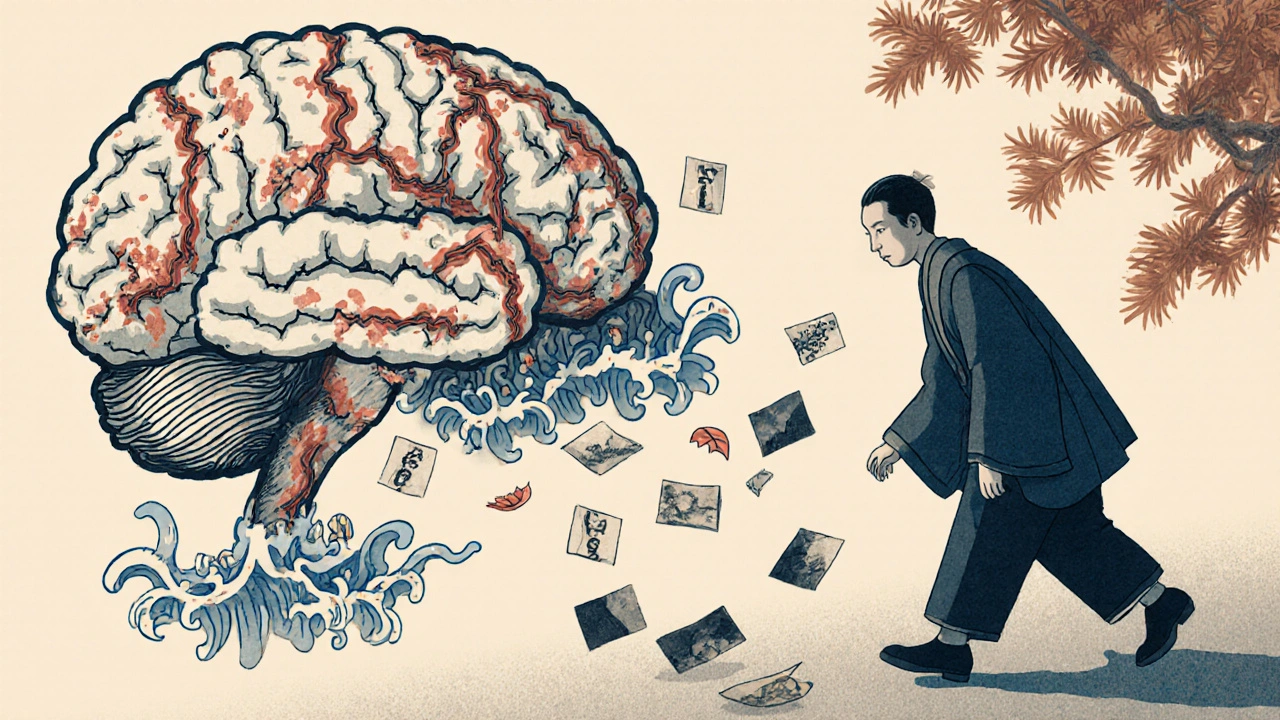
Vascular, frontotemporal, and Lewy body dementia are three distinct brain disorders with different causes, symptoms, and treatments. Learn how they differ and why correct diagnosis matters for safety and care.