Achilles Tendon Injury: Causes, Recovery, and What Works
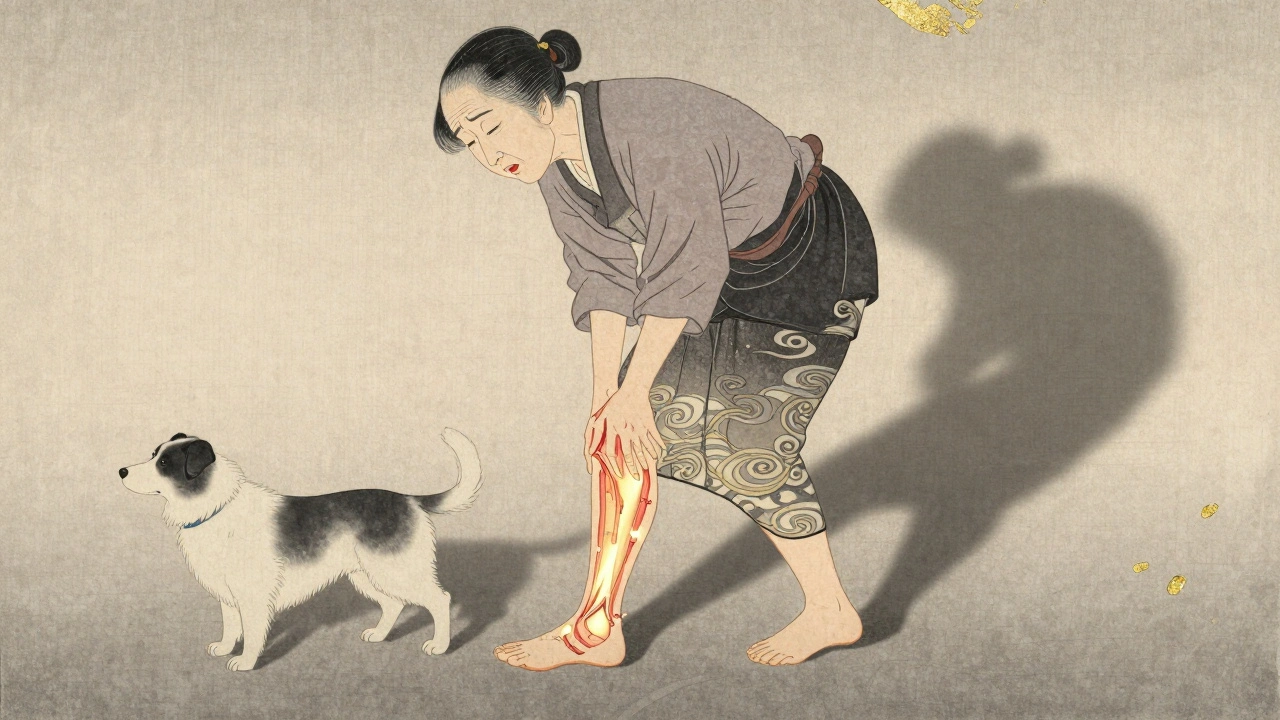
When you feel a sharp snap or burning pain behind your heel, it’s often your Achilles tendon, the thick band of tissue connecting your calf muscle to your heel bone. Also known as the calcaneal tendon, it’s the strongest tendon in your body—but it’s also one of the most prone to overuse and sudden tears. This isn’t just a runner’s problem. Anyone who jumps, pushes off hard, or suddenly increases activity—whether it’s basketball, hiking, or even just walking more—can strain it.
An Achilles tendinitis, inflammation of the tendon from repetitive stress usually starts as a dull ache that gets worse with activity. If ignored, it can lead to a full tendon rupture, a complete tear that feels like being kicked in the heel. People often confuse it with heel spurs or plantar fasciitis, but the pain is right at the back of the heel, not under it. And unlike a sprained ankle, you won’t be able to push off your foot properly—try standing on your toes, and if you can’t, that’s a red flag.
Recovery isn’t about rest alone. Studies show that controlled loading—like slow heel drops—is more effective than sitting still. Physical therapy isn’t optional; it’s the difference between returning to normal and developing chronic pain. Shoes matter too. High heels or worn-out sneakers change how force travels through the tendon. And yes, NSAIDs like ibuprofen might ease pain short-term, but they don’t fix the tear and can even slow healing if used too long.
What you’ll find here aren’t generic tips. These are real cases: a 45-year-old teacher who healed without surgery by changing her walking pattern, a cyclist who ignored early warning signs and ended up in a cast for months, and the athlete who tried every supplement but only got better after fixing his calf strength. No magic creams. No miracle stretches. Just what actually works—based on what’s been tested, what’s been proven, and what people have lived through.
Fluoroquinolone antibiotics like ciprofloxacin and levofloxacin carry a serious risk of tendon rupture, especially in older adults and those on steroids. Learn the signs, who's most at risk, and what to do if you're prescribed one.