Tungiasis – Symptoms, Causes, Treatment & Prevention
When dealing with tungiasis, a parasitic skin infection caused by the sand flea that burrows into the skin, often on the feet. Also known as sand flea disease, it creates painful nodules and can lead to infection if left untreated. Most people first notice tiny, itchy bumps that turn into hard, raised lesions. The flea’s abdomen fills with eggs, so the spot swells and can turn black as the parasite matures. If you’ve ever walked barefoot on warm, sandy soil in tropical regions, you’ve probably been at risk. Understanding what triggers these lesions is the first step toward stopping them.
At the heart of the problem is the sand flea (Tunga penetrans), a tiny, jumping arthropod that embeds its entire body into the upper layer of skin. Unlike a typical bite, the flea actually lives inside the skin, laying eggs that fall onto the ground and spread the cycle. This creature thrives in dry, dusty environments and often infests homes with cracked floors or sand‑covered pathways. Knowing that the flea itself is the primary cause helps you focus on both removing it and preventing new invasions.
Once the flea is inside, the body reacts with skin lesions, painful, inflamed nodules that may ooze pus or become crusted. These lesions are more than a nuisance; they can become entry points for bacteria, leading to secondary infections like cellulitis. In severe cases, multiple lesions can cause swelling of the whole foot, limiting mobility. Recognizing the link between the embedded flea and the resulting skin damage is crucial for timely care.
Secondary infection is a common complication. Bacteria such as Staphylococcus aureus can colonize the open wound, turning a simple nodule into a painful abscess that may need antibiotics. If left ignored, the infection can spread to deeper tissues, causing fever or even sepsis. That’s why addressing the root cause—removing the flea—and treating any bacterial growth go hand in hand.
Effective treatment, methods like topical ivermectin, surgical extraction, and proper wound care that eliminate the flea and prevent complications starts with removing the parasite. A sterile needle or a small punch can extract the flea, but the procedure should be done by a health professional to avoid breaking the flea’s abdomen and causing further inflammation. Topical ivermectin or other antiparasitic creams work well for early stages, while oral anti‑inflammatory drugs help control pain. After removal, cleaning the area with antiseptic and applying a sterile dressing reduces the risk of secondary infection.
Preventing new infestations hinges on prevention, practices such as wearing closed footwear, using insect repellents, and maintaining clean, dust‑free living spaces. Simple habits like walking in shoes instead of barefoot, applying permethrin spray to socks, and sealing cracks in floors cut off the flea’s access to the skin. In rural settings, improving floor material from sand to concrete and regularly washing clothes and bedding also makes a big difference. When you combine personal protection with environmental control, the chance of tungiasis drops dramatically.
While tungiasis is a distinct condition, it shares traits with other parasitic skin diseases such as scabies and hookworm‑related cutaneous larva migrans. All three involve tiny organisms that live on or under the skin, cause itching, and need targeted therapy. Recognizing these connections helps health workers choose the right diagnostic tests and avoid mis‑treatment. Whether you’re a traveler, a local resident, or a clinician, seeing the bigger picture around parasitic skin infections can improve outcomes.
Below you’ll find a curated collection of articles that dive deeper into each aspect of tungiasis— from detailed treatment guides and prevention checklists to real‑world case studies. Explore the resources to arm yourself with practical knowledge and stay one step ahead of this pesky skin invader.
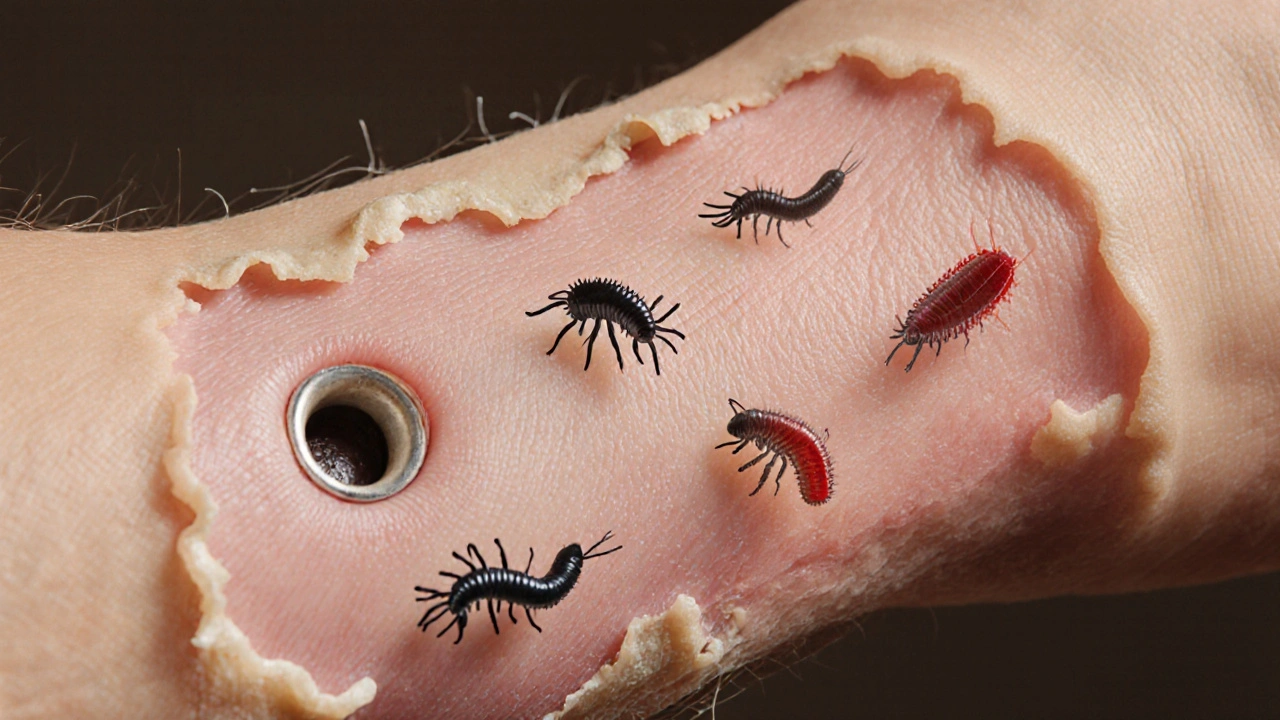
A clear guide to the life cycles of skin parasites, symptoms, prevention tips, and treatment options for common infestations.