Tricyclic Antidepressant Toxicity – What You Need to Know
When dealing with tricyclic antidepressant toxicity, the harmful effects that occur after an overdose of tricyclic antidepressant drugs. Also known as TCA overdose, it can lead to serious heart and neurological problems. The culprit drugs belong to the class of tricyclic antidepressants, which block the reuptake of serotonin and norepinephrine and have strong anticholinergic properties. One of the most dangerous outcomes is cardiac arrhythmia, especially a widened QRS complex and hypotension. Prompt reversal often relies on sodium bicarbonate therapy, which helps narrow the QRS, stabilizes membrane potential, and improves blood pressure. In short, tricyclic antidepressant toxicity encompasses overdose severity, cardiac complications, and the need for rapid antidotal treatment.
Understanding how the toxicity develops helps you act faster. The severity of an overdose is usually predicted by the amount ingested, serum drug levels, and the presence of early signs such as confusion, dilated pupils, and seizures. These neurological signs often precede the cardiac ones, creating a cascade where seizures can trigger further heart rhythm disturbances. Management therefore requires a two‑pronged approach: control the nervous system with benzodiazepines or phenobarbital, and protect the heart with sodium bicarbonate and, if needed, advanced cardiac life support measures. Monitoring tools like continuous ECG and arterial blood gases give real‑time feedback on QRS width and pH, guiding dosage adjustments. When sodium bicarbonate alone isn’t enough, physicians may consider adjuncts such as lidocaine for refractory ventricular arrhythmias or lipid emulsion therapy in extreme cases. This layered strategy shows that effective overdose care depends on both pharmacological knowledge and vigilant bedside monitoring.
Below you’ll find a curated set of articles that break down each piece of this puzzle. From step‑by‑step guides on recognizing early toxicity signs to detailed explanations of why sodium bicarbonate works, the collection covers practical tips, dosage formulas, and emergency protocols you can apply right away. Whether you’re a caregiver, a medical student, or anyone looking to understand the risks of tricyclic antidepressants, the posts ahead give you actionable insight and clear directions for handling an overdose situation.
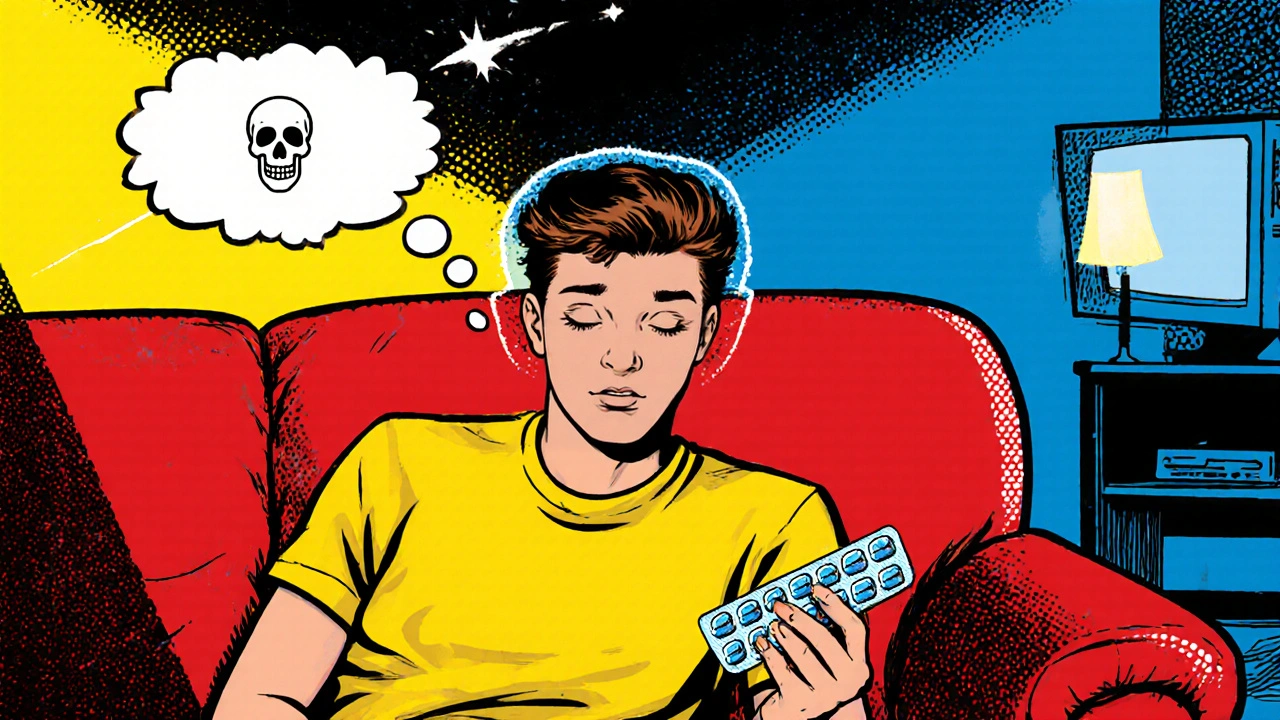
Learn the warning signs, emergency treatment steps, and prevention tips for amitriptyline overdose, plus how to keep yourself and loved ones safe.