Stroke Recovery: What Works, What Doesn’t, and How to Get Back on Track
When someone has a stroke, a sudden interruption of blood flow to part of the brain. Also known as a cerebrovascular accident, it doesn’t just change your body—it rewires your life. But recovery isn’t about waiting for things to get better on their own. It’s about active, consistent steps taken in the right order, at the right time. Many people assume recovery ends when they leave the hospital. That’s not true. The real work begins after discharge, and the first 3 to 6 months are when the brain is most plastic—most able to relearn lost functions.
rehabilitation after stroke, a structured process to restore function and independence. Also known as stroke rehab, it’s not just physical therapy. It includes speech therapy for trouble speaking or swallowing, occupational therapy to relearn daily tasks like dressing or cooking, and sometimes vision or cognitive training. Without it, many people never regain full mobility or independence. Studies show patients who start rehab within 24 hours of a stroke have significantly better outcomes than those who wait. But even if months have passed, progress is still possible. The brain doesn’t give up—it just needs the right kind of repetition.
Not all therapies work the same for everyone. What helps one person might do nothing for another. For example, some find robotic arm devices helpful for regaining movement; others benefit more from simple, daily practice like picking up a cup or walking with a cane. The key isn’t the tool—it’s the frequency and consistency. Doing 10 minutes of exercises three times a day beats one hour once a week. And it’s not just about muscles. Depression after stroke is common, and untreated, it slows recovery. Talking to someone—a therapist, a support group, even a trusted friend—can be as important as the physical exercises.
stroke rehabilitation exercises, targeted movements designed to rebuild strength, coordination, and neural pathways. Also known as post-stroke therapy routines, these aren’t just stretches. They’re task-based: reaching for a glass, stepping over a line, naming pictures, counting backward. These exercises retrain the brain to use undamaged areas to take over lost functions. The more you do them, the more your brain adapts. And yes, it’s hard. It’s frustrating. But every small win adds up. Medications can help too—like blood thinners to prevent another stroke, or drugs to manage spasticity. But they don’t replace movement. They just make movement safer.
Recovery timelines vary wildly. Some people see big changes in weeks. Others take years. There’s no magic number. What matters is staying active, staying engaged, and staying connected to your care team. You don’t have to do it alone. Support groups, home health aides, and tele-rehab programs are all part of modern recovery.
Below, you’ll find real, practical advice from people who’ve been through it—what helped them, what didn’t, and how they kept going when it felt impossible. No fluff. No promises of quick fixes. Just what works, based on experience and evidence.
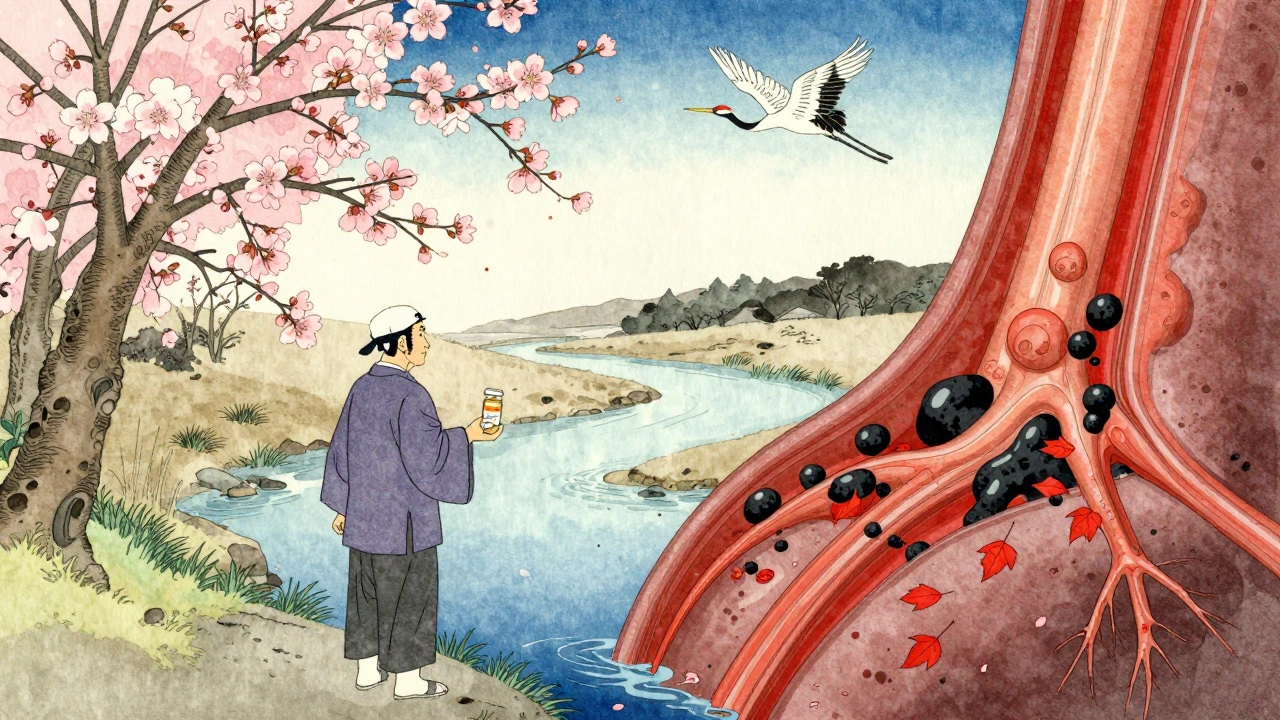
High-dose statins after stroke can reduce recurrent stroke risk by 16%, but increase brain bleeding risk. Learn who benefits, who should avoid them, and what to do if you have side effects.