Skin Parasites: What They Are, How They Affect You, and How to Fight Them
Understanding skin parasites helps you avoid common skin problems. When dealing with skin parasites, tiny organisms that live on or in the skin, causing irritation, infection, or disease. Also known as cutaneous parasites, they come in many shapes—from microscopic mites to tiny worms. scabies, an itchy rash caused by the Sarcoptes scabiei mite is a classic example that spreads through skin‑to‑skin contact. lice, wingless insects that feed on blood and live on hair shafts thrive in warm, humid environments and jump between hosts with close contact. demodex, microscopic mites that inhabit hair follicles, especially around the face often go unnoticed until they trigger rosacea‑like flare‑ups. Even small roundworms, like hookworm, larvae that penetrate the skin and travel to the lungs before settling in the intestines, start their life cycle by burrowing through the skin. These examples illustrate that skin parasites encompass a range of organisms, each requiring specific diagnosis and treatment strategies.
How Different Parasites Impact Your Skin and What You Need to Know
Identifying a parasite is the first step to effective care. Sarcoptes scabiei, the mite behind scabies, digs tunnels in the epidermis, creating a distinctive burrow pattern visible under a dermatoscope. This mite needs prescription creams like permethrin for eradication, and all close contacts must be treated simultaneously to break the cycle. Pediculus humanus, the head louse, clings to hair shafts and lays eggs (nits) that stick firmly to the scalp. Over‑the‑counter shampoos with dimethicone or prescription ivermectin can clear an infestation, but regular combing is essential to remove nits. Demodex folliculorum and Demodex brevis are two species that feed on sebum; when they overpopulate, they can cause itching, redness, and pustules. Gentle tea‑tree oil washes or topical metronidazole often keep their numbers in check. For hookworms, the skin‑penetrating larvae cause a fleeting rash called “ground itch.” Prompt topical antiseptics and systemic anti‑helminthics such as albendazole stop the worms before they migrate. Across these cases, a common thread is that accurate identification—whether via skin scrapings, visual inspection, or lab tests—guides the right medication and prevents recurrence.
Beyond the big names, many lesser‑known parasites can sting or crawl under the radar. cutaneous larva migrans, caused by hookworm larvae from animal waste, leaves winding, itchy tracks across the skin. Simple topical thiabendazole usually clears it within days. mange, though more common in animals, can affect humans when sarcoptic mites bite, producing a rash similar to scabies but often with thicker crusts. Managing these conditions often involves a mix of hygiene, environmental control, and targeted medication. By understanding how each parasite lives, spreads, and reacts to treatment, you can spot symptoms early, choose the right remedy, and keep your skin healthy. Below you’ll find detailed guides covering diagnosis tips, medication options, home care tricks, and prevention tactics for each of these skin parasites, so you’ll be ready to tackle any infestation that comes your way.
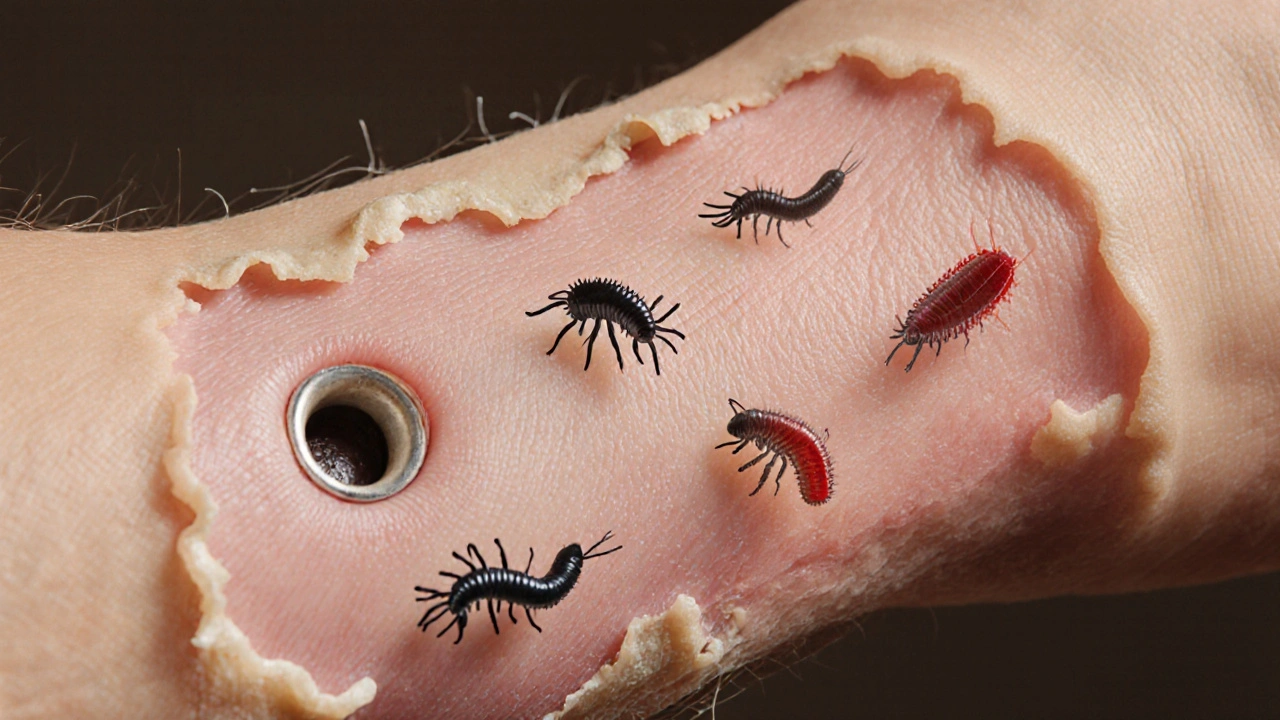
A clear guide to the life cycles of skin parasites, symptoms, prevention tips, and treatment options for common infestations.