Opioid Safety: Understand Risks, Signs of Misuse, and How to Stay Protected
When we talk about opioid safety, the practice of using opioid medications responsibly to manage pain while avoiding addiction, overdose, or death. Also known as opioid risk management, it’s not just for people on long-term prescriptions—it matters for anyone who’s ever been given these drugs after surgery, injury, or dental work. Opioids like oxycodone, hydrocodone, and morphine work well for acute pain, but they carry real, life-threatening risks—even when taken exactly as directed.
One of the biggest misunderstandings is that opioid addiction only happens to people who "abuse" drugs. The truth? Many people develop dependence after just a few weeks of prescribed use. The body adapts. Tolerance builds. Suddenly, the dose that helped yesterday doesn’t work today. That’s when people start taking more—or turning to street drugs like heroin when prescriptions run out. opioid misuse, any use of opioids outside medical guidelines, including taking higher doses, using someone else’s pills, or combining them with alcohol or sedatives is behind most overdose deaths. And opioid overdose, a medical emergency caused by respiratory depression from too much opioid in the system doesn’t always look like what you see on TV. Sometimes it’s just someone who won’t wake up, or their breathing becomes shallow and slow.
Knowing the signs can save a life. Slurred speech, pinpoint pupils, blue lips, unresponsiveness—these are red flags. And if you’re around someone who takes opioids regularly, you need to know about naloxone, a medication that can reverse an opioid overdose in minutes, available without a prescription in most places. It’s not a cure. It’s a bridge to emergency care. Many pharmacies give it out free. Many states allow friends and family to carry it. Keeping one on hand isn’t paranoia—it’s practical.
Safe pain management doesn’t mean avoiding opioids entirely. It means using them only when necessary, for the shortest time possible, and with clear plans to taper off. Talk to your doctor about non-opioid options—physical therapy, NSAIDs, nerve blocks, or even mindfulness techniques. If you’ve been on opioids longer than a few weeks, ask about a tapering schedule. Don’t wait until you feel dependent. And if you’re helping someone else, don’t ignore changes in behavior, mood swings, or secretive pill use. These aren’t just "bad habits." They’re warning signs.
What you’ll find below are real, practical guides that break down how opioids affect the body, how to spot trouble before it’s too late, what to do if someone stops breathing, and how to talk to doctors about safer alternatives. No fluff. No fear-mongering. Just clear facts from people who’ve been through it—patients, caregivers, and clinicians.
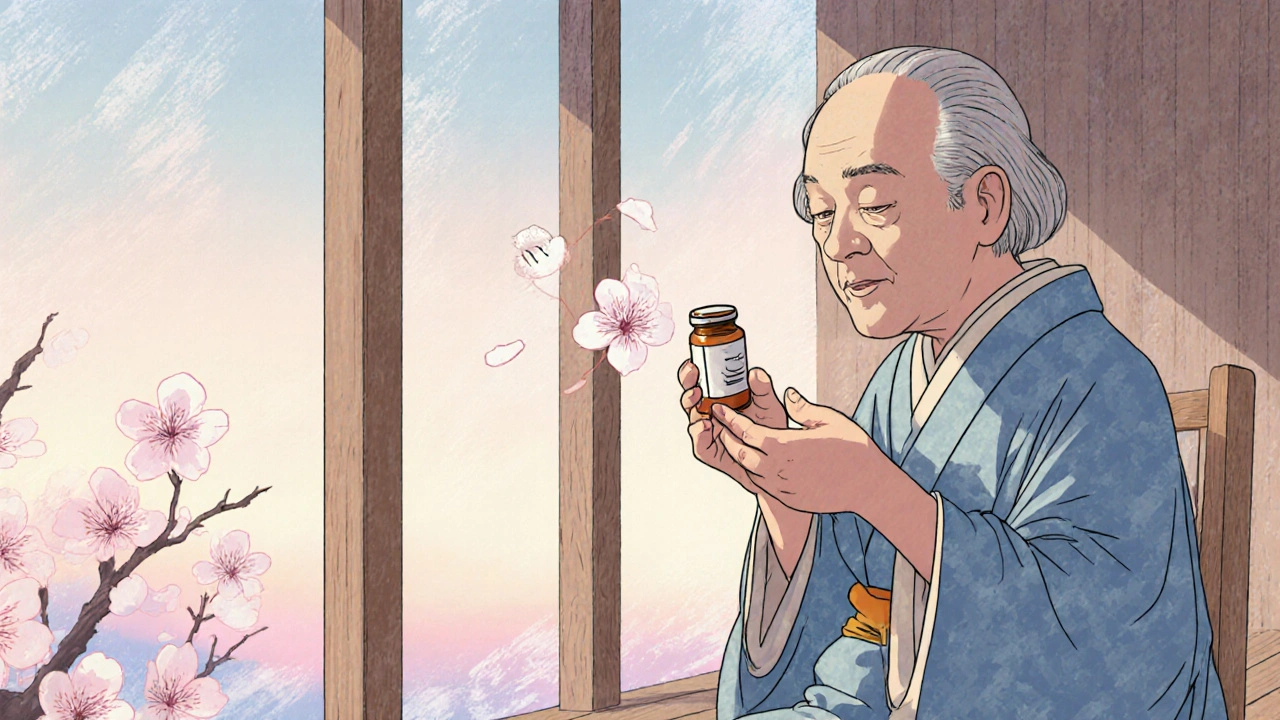
Opioids can safely manage pain in seniors when started at low doses, carefully monitored, and tailored to individual health needs. Avoid dangerous drugs like meperidine and codeine. Buprenorphine and low-dose oxycodone are safer options. Always prioritize function over pain scores.