LDL Cholesterol: What It Is, Why It Matters, and How to Manage It
When doctors talk about LDL cholesterol, a type of lipoprotein that carries cholesterol through the bloodstream and is linked to artery-clogging plaque. Also known as bad cholesterol, it’s not inherently bad—it’s essential for cell repair and hormone production—but too much of it is one of the top reasons people end up in the hospital with heart problems. Unlike HDL, which sweeps excess cholesterol away, LDL deposits it in artery walls, slowly building up blockages over years. This process doesn’t cause symptoms until something serious happens—a heart attack, stroke, or sudden chest pain. That’s why checking your LDL levels is one of the most important things you can do, even if you feel fine.
Managing LDL cholesterol often means dealing with statins, a class of drugs that lower LDL by blocking cholesterol production in the liver. But statins aren’t perfect. Many people report muscle aches or weakness, which can make them stop taking the medication—even though stopping might be riskier than the side effects. The key is knowing what’s normal muscle soreness versus something more serious. Other factors like diet, weight, and genetics also play a big role. Eating too many refined carbs or trans fats can spike LDL, even if you’re on a statin. And some people have a genetic condition called familial hypercholesterolemia, where LDL stays high no matter what they eat or do.
It’s not just about pills. cholesterol meds work best when paired with real changes: swapping out processed snacks for nuts and vegetables, walking 30 minutes most days, and cutting back on sugar. But not everyone responds the same way. Some people drop LDL by 50% on a low-dose statin. Others barely move the needle, even on high doses. That’s why doctors now look at more than just numbers—they check your overall heart risk, family history, and even inflammation markers. And if statins don’t work or cause too many side effects, alternatives like ezetimibe or PCSK9 inhibitors exist, though they’re more expensive and harder to get.
What you’ll find below isn’t a one-size-fits-all guide. These posts come from real people who’ve lived with high LDL, dealt with statin side effects, questioned their meds, or tried to lower cholesterol without drugs. Some share how they managed muscle pain without quitting their statin. Others explain why their doctor switched them from one pill to another. There’s also info on how cholesterol meds interact with other drugs, what to watch for when you’re older, and how lifestyle changes actually play out in daily life—not just in studies. You won’t find fluff here. Just straight talk from people who’ve been there, and the facts that help you make smarter choices for your heart.
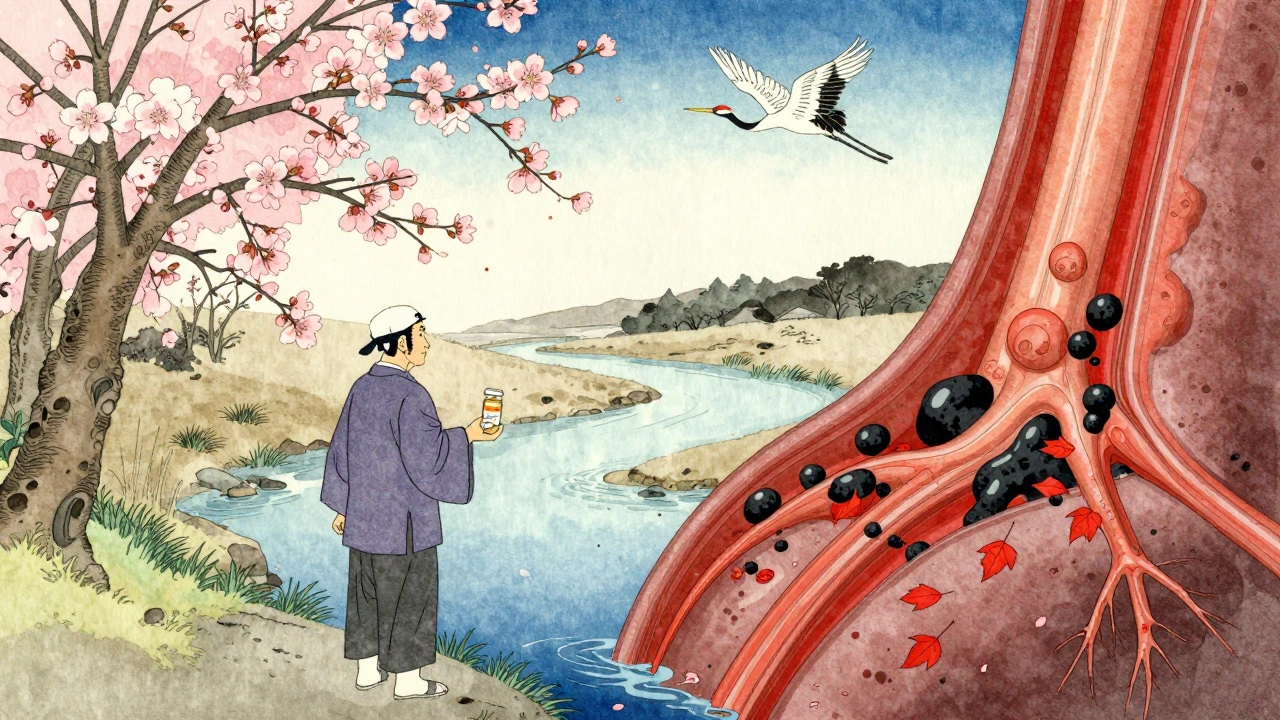
High-dose statins after stroke can reduce recurrent stroke risk by 16%, but increase brain bleeding risk. Learn who benefits, who should avoid them, and what to do if you have side effects.