Idiopathic Pulmonary Fibrosis: Causes, Treatments, and What You Need to Know
When your lungs start to scar for no clear reason, that’s idiopathic pulmonary fibrosis, a chronic, progressive lung disease where healthy tissue turns stiff and scarred, making it hard to breathe. Also known as IPF, it doesn’t come from smoking, infection, or exposure — it just happens, often in people over 60. The scarring, called fibrosis, slowly steals your ability to get enough oxygen. No one knows exactly why it starts, but once it does, it rarely stops on its own.
IPF doesn’t show up overnight. Early signs are easy to miss — a dry cough, shortness of breath when walking up stairs, or feeling tired all the time. As it gets worse, you might notice your fingertips changing shape — clubbing — or hear a crackling sound in your lungs when your doctor listens. It’s not asthma. It’s not pneumonia. It’s something deeper, and it needs specific testing: high-res CT scans, lung function tests, and sometimes a biopsy to confirm. Many people are misdiagnosed at first, which delays the right care.
There’s no cure, but two drugs — nintedanib and pirfenidone, antifibrotic medications proven to slow lung scarring in clinical studies — can help keep things from getting worse faster. Oxygen therapy, pulmonary rehab, and lifestyle changes like quitting smoking and avoiding pollution can improve daily life. Some people develop pulmonary hypertension, high blood pressure in the lungs, which adds more strain on the heart and worsens symptoms. It’s not rare, and it needs its own treatment plan.
What you won’t find in most guides are the real struggles: the weight loss from not eating because breathing while chewing is exhausting, the anxiety of walking to the bathroom, the loneliness of a disease few understand. The posts below don’t just list facts — they show how people manage side effects from meds, what supplements might help (or hurt), how to handle hospital visits, and how to talk to doctors about quality of life. You’ll see connections between IPF and other conditions like GERD, which often worsens it, and how drug safety signals can change treatment choices over time. This isn’t theoretical. It’s what people are living with — and what you can act on today.
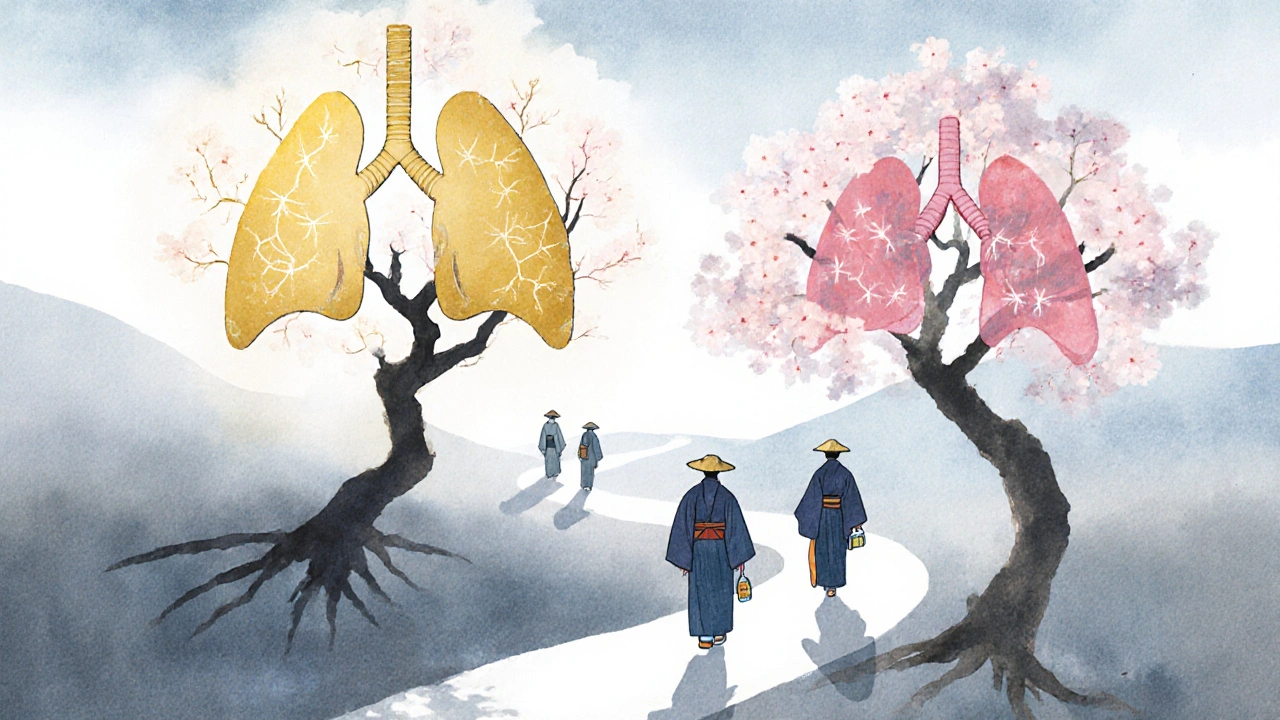
Compare Pirfenex (pirfenidone) with nintedanib and other IPF treatments. Learn how they work, their side effects, costs, and which one may be right for you based on real-world experience.