Amitriptyline Overdose – What Happens and How to Respond
When dealing with Amitriptyline overdose, an excessive intake of the tricyclic antidepressant amitriptyline that can lead to life‑threatening toxicity. Also known as TCA poisoning, it requires fast medical action. Tricyclic antidepressants, a class of drugs used for depression, chronic pain, and migraine prevention share similar overdose patterns, so recognizing one helps with the others. One of the first tools in the ER is Activated charcoal, a sorbent that binds the drug in the gut to limit absorption, which can curb the severity if given early.
Why an Overdose Occurs
Most cases involve either a suicide attempt or a mistaken dose by someone unfamiliar with the medication. Because amitriptyline tablets are often compact and look like common pills, accidental ingestion by children or the elderly isn’t rare. The drug’s long half‑life means symptoms can linger, and the narrow safety margin makes even a modest excess dangerous. Understanding the intent behind the ingestion helps clinicians anticipate complications like co‑ingested substances or underlying mental‑health issues.
The hallmark signs spring from three main systems: anticholinergic, cardiac, and central nervous system effects. Patients may present with dry mouth, dilated pupils, and severe constipation—classic anticholinergic clues. At the same time, they often develop a rapid, irregular heartbeat or a widened QRS complex on ECG, reflecting the drug’s impact on sodium channels. Confusion, seizures, or a comatose state signal the CNS toxicity that can quickly become fatal without intervention.
Diagnosing an overdose isn’t just about what the patient looks like; labs and monitoring play a big role. Blood amitriptyline levels can confirm exposure, but treatment usually starts before results return. An ECG is mandatory: a QRS width greater than 100 ms predicts a higher risk of arrhythmia and guides the need for sodium bicarbonate therapy. Vital signs, oxygen saturation, and pupil examinations round out the initial assessment.
Once the diagnosis is clear, the treatment cascade kicks in. First, secure the airway and establish IV access. If the patient arrives within an hour of swallowing pills, give activated charcoal—ideally a whole‑dose amount—to limit further absorption. In rare cases where the patient is unconscious or has ingested a massive dose, gastric lavage might be considered, but only by experienced staff. The cornerstone for cardiac toxicity is an intravenous sodium bicarbonate bolus, which narrows the QRS interval and stabilizes heart rhythm.
Supportive care runs parallel to the specific antidotes. Seizures are treated with benzodiazepines, not barbiturates, to avoid worsening respiratory depression. Hypotension gets corrected with fluids and, if needed, vasopressors. Continuous cardiac monitoring is essential for at least 24 hours because delayed arrhythmias can pop up even after the initial crisis seems resolved.
Preventing future incidents starts with education. Families should store amitriptyline out of reach, use child‑proof containers, and dispose of unused tablets safely. For patients with depression or chronic pain, clinicians should discuss overdose risk openly and consider prescribing lower‑risk alternatives when appropriate. Regular follow‑up appointments provide an opportunity to reassess dosage and mental‑health status, lowering the chance of another emergency.
All of these points lay the groundwork for the articles you’ll see below. Whether you’re looking for detailed symptom checklists, step‑by‑step emergency protocols, or long‑term safety tips, the collection covers every angle of amitriptyline poisoning. Dive in to get the practical insights you need to recognize, respond to, and ultimately prevent this serious medical event.
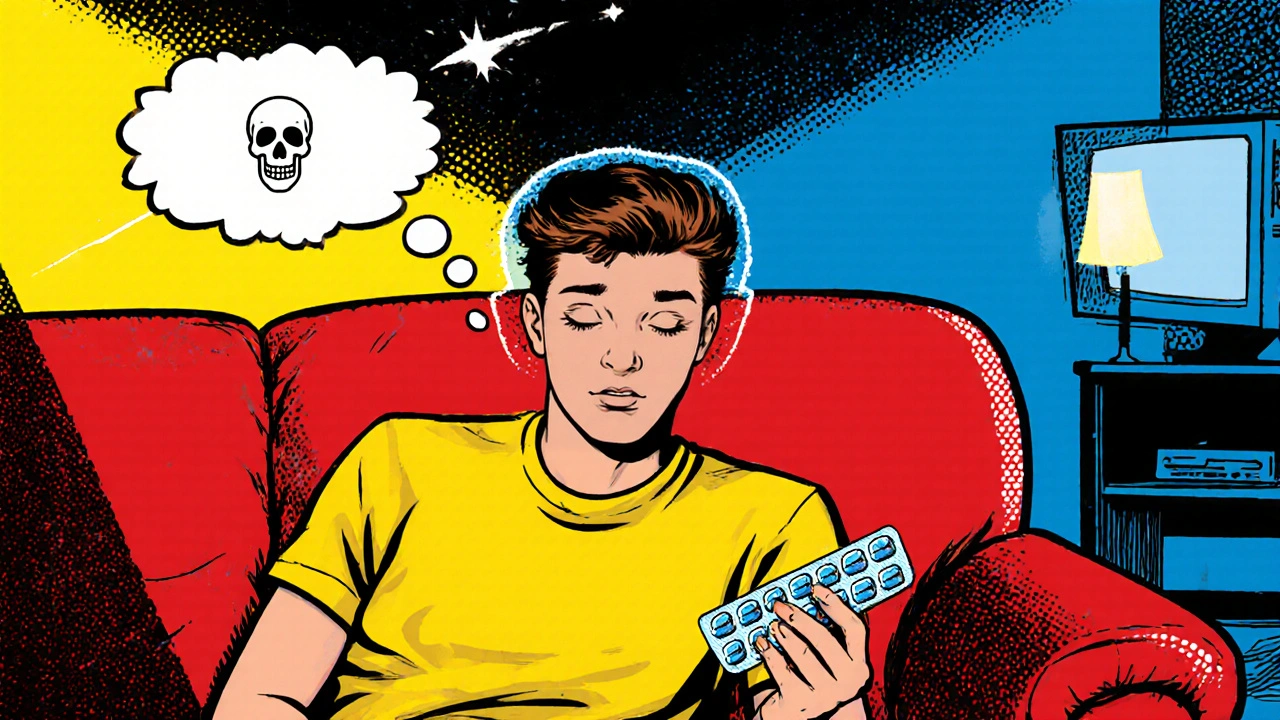
Learn the warning signs, emergency treatment steps, and prevention tips for amitriptyline overdose, plus how to keep yourself and loved ones safe.