

Imagine you are sitting with a friend. They seem tired, maybe a bit too relaxed. Then they stop responding to your voice. Their breathing slows down until it almost stops. In those quiet moments, seconds turn into minutes, and the difference between life and death comes down to one thing: recognizing the signs early enough.
A medication overdose is a medical emergency that occurs when someone consumes more of a substance than their body can process, overwhelming vital systems like breathing and heart rate. It is not just about illicit drugs. Prescription painkillers, over-the-counter sleep aids, and even alcohol can cause fatal overdoses if taken in excess or mixed together. According to data from the Centers for Disease Control and Prevention (CDC), drug overdose deaths in the United States reached 107,941 in 2022. The vast majority of these involved synthetic opioids, highlighting how potent modern substances have become.
You do not need to be a doctor to spot the danger. You just need to know what to look for. This guide breaks down the universal warning signs, the specific symptoms for different drug types, and exactly what steps you should take to save a life.
The Universal Warning Signs of an Overdose
Before diving into specific drug types, there are general red flags that apply to almost any medication overdose. These symptoms occur because the brain’s control centers are being suppressed or overstimulated. If you see a combination of these signs, treat it as an emergency immediately.
- Unresponsiveness: The person cannot be woken up. Shaking them hard or shouting does not get a reaction. They might be awake but confused, agitated, or hallucinating, which is also a critical sign of neurological distress.
- Changes in Breathing: This is the most critical indicator. Look for slow, shallow, or erratic breathing. A key rule of thumb from safety experts is the "10-second rule": if there is more than 10 seconds between breaths, call emergency services immediately.
- Skin Color Changes: Pale, clammy, or blue-tinged skin, especially on the lips and fingernails (cyanosis). This indicates oxygen deprivation. Blue lips mean the blood is not getting enough oxygen to the rest of the body.
- Vomiting: Nausea and vomiting are common, reported in nearly 80% of non-fatal overdoses. The danger here is aspiration-choking on vomit while unconscious.
- Choking or Gurgling Sounds: Often called the "death rattle," this sound happens when fluids pool in the throat because the person cannot swallow or clear their airway.
If you notice these signs, do not wait to see if they "wake up." Time is the enemy. Brain damage can begin within minutes of oxygen deprivation.
Specific Symptoms by Drug Type
Not all overdoses look the same. The symptoms depend heavily on whether the substance is a depressant, a stimulant, or an opioid. Knowing the difference helps you anticipate complications and communicate clearly with paramedics.
| Drug Class | Key Symptoms | Physical Signs |
|---|---|---|
| Opioids (Fentanyl, Heroin, Oxycodone) |
Extreme drowsiness, unconsciousness, respiratory depression (slow breathing) | Pinpoint pupils (1-2mm), blue lips/fingernails, gurgling sounds |
| Stimulants (Cocaine, Methamphetamine, Adderall) |
Agitation, paranoia, confusion, seizures | High body temperature (>104°F/40°C), rapid heartbeat, dilated pupils, sweating |
| Depressants (Benzodiazepines, Alcohol, Barbiturates) |
Slurred speech, loss of coordination, profound drowsiness | Slow pulse, low blood pressure, vomiting while unconscious |
Opioid Overdose: The Triad of Danger
Opioid overdoses are the leading cause of drug-related deaths. Medical professionals look for the "Opioid Triad" to confirm suspicion:
- Pinpoint Pupils: The pupils constrict to tiny dots, barely visible.
- Unconsciousness: The person is unresponsive to pain or voice.
- Respiratory Depression: Breathing slows to fewer than 12 breaths per minute or stops entirely.
Stimulant Overdose: The Body Overheats
Unlike opioids that slow the body down, stimulants push it into overdrive. The heart races, blood pressure spikes, and body temperature rises dangerously high (hyperthermia). People may experience chest pain, irregular heartbeats, and severe anxiety or paranoia. Seizures are a major risk, occurring in over a third of cocaine overdose cases. The danger here is cardiac arrest or stroke due to the extreme strain on the cardiovascular system.
Depressant Overdose: The Silent Fade
Depressants include benzodiazepines (like Xanax) and alcohol. When mixed, they amplify each other’s effects. The person becomes extremely sleepy, slurs words, and loses muscle coordination (ataxia). The biggest immediate threat is choking on vomit because the gag reflex is suppressed. Alcohol poisoning specifically carries a high risk of aspiration, where stomach contents enter the lungs.

What To Do Immediately: Step-by-Step Response
Panic is natural, but action saves lives. Follow these steps in order. Do not skip calling for help because you are afraid of legal consequences. Many regions have "Good Samaritan" laws that protect bystanders who seek medical aid for an overdose.
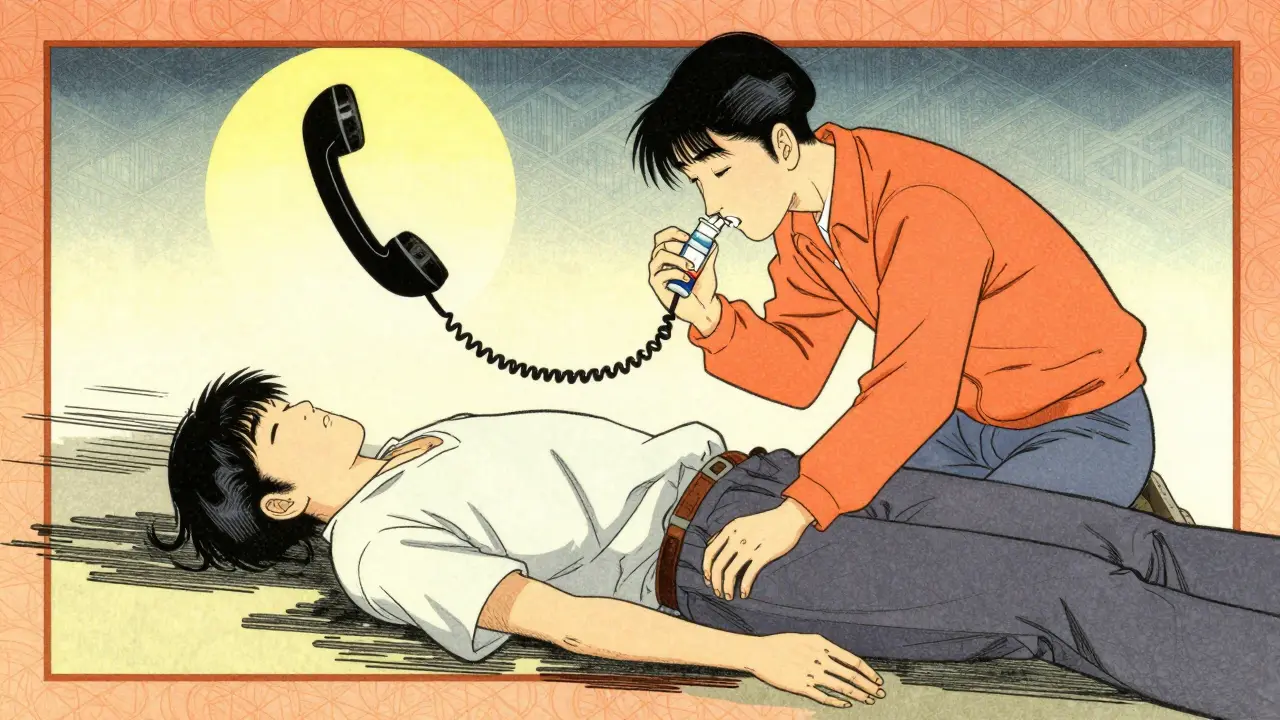
- Call Emergency Services: Dial 911 (in the US) or 999/112 (in the UK/EU) immediately. Tell them you suspect an overdose. Provide the location and describe the symptoms (e.g., "not breathing," "blue lips").
- Administer Naloxone if Available: If you suspect an opioid overdose and have Naloxone is an FDA-approved medication that temporarily reverses opioid overdose by blocking opioid receptors in the brain (brand name Narcan), use it now. Nasal spray is the easiest method: insert the nozzle into one nostril and press the plunger. One dose delivers 4mg. You can give a second dose after two minutes if there is no response.
- Place in Recovery Position: If the person is unconscious but breathing, roll them onto their side. This keeps the airway open and prevents choking if they vomit. Tuck their hand under their cheek to support the head.
- Stay With Them: Monitor their breathing. If they stop breathing, begin CPR if you are trained. Push hard and fast in the center of the chest until help arrives.
- Do Not Leave Them Alone: Never let an overdose victim "sleep it off." This is a myth that has led to countless preventable deaths. Stay until paramedics take over.
Avoid giving them water, food, or coffee. Do not put them in a hot bath or shower, as this can cause hypothermia or shock. Do not try to induce vomiting unless instructed by a poison control expert.
Prevention and Risk Reduction Strategies
Recognizing symptoms is crucial, but preventing the overdose is better. The landscape of drug safety has changed dramatically with the rise of potent synthetics. Here are practical steps to reduce risk.
Use Fentanyl Test Strips
Fentanyl test strips are small paper strips that detect the presence of fentanyl in drugs. They work by dipping the strip in a solution containing a small amount of the substance. Research shows they detect fentanyl with 97% accuracy at very low concentrations. While they do not remove the drug, knowing its presence allows users to adjust their dose or avoid consumption, significantly lowering overdose risk.
Never Use Alone
Using drugs alone removes the possibility of immediate intervention. Programs like "Never Use Alone" provide phone lines you can call while using, connecting you with a volunteer who stays on the line and calls 911 if you stop responding. This simple connection has saved thousands of lives.
Store Medications Safely
For households with prescription medications, secure storage is vital. Keep pills in locked cabinets away from children and visitors. Dispose of unused medications properly through pharmacy take-back programs rather than flushing them or leaving them in drawers where they can be mistaken for candy or taken accidentally.
Understand Polysubstance Risks
Mixing substances multiplies the danger. Combining opioids with alcohol or benzodiazepines increases the risk of respiratory failure exponentially. Even mixing stimulants with opioids (to counteract sedation) masks the warning signs of an opioid overdose, leading to delayed treatment.
Understanding the Legal and Social Context
Hesitation to call 911 is a major barrier to survival. Fear of arrest for possession often keeps people silent. However, public health policies are shifting. In the United States, 47 states have enacted Good Samaritan laws that provide limited immunity from drug possession charges for those who seek emergency help for an overdose. Similar protections exist in many parts of the UK and Canada.
Additionally, access to life-saving tools is expanding. The FDA approved the first over-the-counter naloxone nasal spray in 2023, allowing anyone to purchase it without a prescription. Community organizations, libraries, and pharmacies increasingly distribute free naloxone kits. Carrying naloxone is like carrying a fire extinguisher-you hope never to use it, but its presence can prevent a tragedy.
Long-Term Support and Recovery
An overdose is often a symptom of underlying issues such as chronic pain, mental health disorders, or addiction. Saving a life in the moment is step one; supporting recovery is step two. After an overdose, individuals are at high risk of another one, especially if their tolerance has dropped during hospitalization.
Resources like the SAMHSA National Helpline (1-800-662-4357) offer confidential referrals to treatment facilities, support groups, and community-based organizations. Medication-assisted treatment (MAT) using methadone or buprenorphine has proven effective in reducing opioid use disorder mortality. Combining medical treatment with counseling addresses both the physical dependence and the behavioral patterns associated with substance use.
Education is power. By learning the signs of a medication overdose, you become part of the solution. Whether you are a parent, a friend, or a concerned neighbor, your ability to recognize the subtle changes in breathing and consciousness could be the deciding factor in someone’s survival.