

Every year, thousands of patients in the UK and around the world are harmed by simple mistakes in pharmacies. A pill gets mixed up. A dosage is wrong. An allergy is missed. These aren’t rare accidents-they’re preventable errors, and they happen because human pharmacists are juggling too many tasks at once. That’s where pharmacy workflow and error prevention systems come in. They don’t replace pharmacists. They make pharmacists safer, faster, and more accurate.
What Exactly Is a Pharmacy Workflow?
Think of a pharmacy workflow as the step-by-step journey a prescription takes from the moment it arrives until the patient walks out with their medicine. It’s not just filling bottles. It’s checking the patient’s history, verifying the doctor’s order, matching the drug to the right person, counting pills, labeling the container, counselling the patient, and updating records-all in under 10 minutes, often while handling 20 other prescriptions at once. Before automation, this was all done by hand. A pharmacist would read a handwritten script, guess the dosage, pull a bottle off the shelf, count tablets by eye, and hope they didn’t miss a drug interaction. One wrong step could mean a patient gets the wrong medicine-or worse, a deadly overdose. Today, modern pharmacy workflows are built around digital systems that guide each step. When a prescription comes in electronically, the system instantly checks:- Is this the right patient?
- Is this drug approved for them?
- Does it clash with their other meds or allergies?
- Is the dose too high or too low?
- Do we have enough in stock?
How Technology Stops Errors Before They Happen
The biggest leap in medication safety didn’t come from better training. It came from barcode scanners, robotics, and software that never gets tired or distracted. Here’s how it works in practice:- Barcode scanning-Every pill bottle and medicine vial has a unique barcode. When a technician grabs a bottle, they scan it. The system compares it to the prescription. If it’s the wrong drug, the screen flashes red. No scan? No release. Simple.
- Automated dispensing robots-In hospital pharmacies, robots now pull, count, and package oral medications. They don’t miscount. They don’t grab the wrong bottle. They work 24/7 without coffee breaks.
- IV compounding systems-For intravenous drugs, mistakes can be deadly. Systems like Simplifi+ IV Workflow Management use cameras, sensors, and robotic arms to mix IV bags with precision. They verify the drug, the strength, the diluent, and even the bag’s weight before it leaves the station.
- Real-time EHR integration-The system pulls up the patient’s full medical record: allergies, kidney function, recent lab results. If a patient has kidney disease and the prescription is for a drug cleared by the kidneys? The system blocks it and alerts the pharmacist.
Key Systems Used in UK Pharmacies Today
Not all pharmacy workflow systems are the same. The right one depends on the setting:- Enterprise hospital systems-Epic and Cerner offer full pharmacy modules built into their electronic health records. They’re powerful but expensive, usually used by large NHS trusts.
- IV compounding specialists-Wolters Kluwer’s Simplifi+ is designed for hospitals that prepare IVs daily. It tracks every ingredient, checks USP <797> compliance, and logs every step for audits.
- Community pharmacy tools-Cflow and Kissflow offer cloud-based platforms for independent pharmacies. They automate refill requests, track inventory expiry dates, and send alerts when stock is low.
- Robotics platforms-BD Pyxis™ is common in hospitals. It stores medications in secure drawers, releases them only when the right prescription is scanned, and logs every interaction.
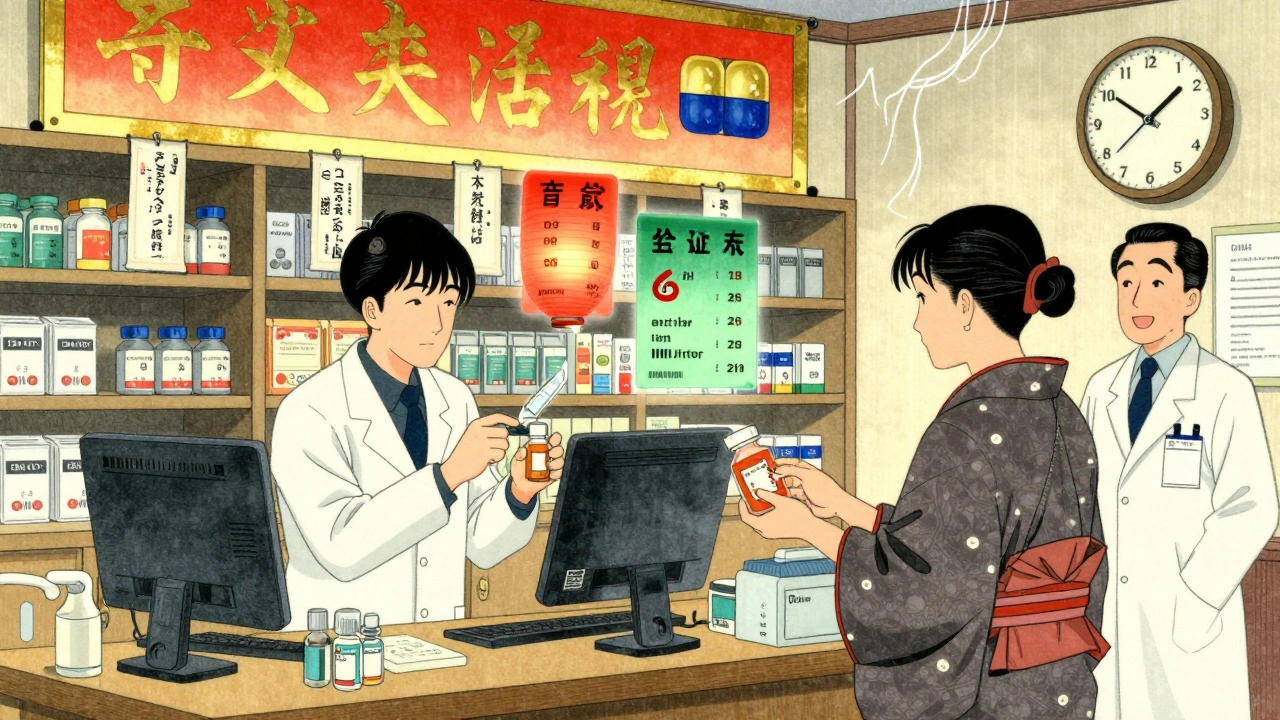
Why Integration Matters More Than the Machine
Buying a fancy robot won’t help if it doesn’t talk to your other systems. The biggest failure point in pharmacy automation isn’t the hardware-it’s the lack of integration. A pharmacy might install a barcode scanner but still use paper logs for inventory. Or the EHR might not send allergy data to the dispensing system. That’s like putting a new engine in a car but leaving the fuel line broken. Successful systems require:- Bi-directional HL7 communication with EMRs
- Integration with the pharmacy’s information system (PIS)
- Connection to national prescribing systems like NHS Spine
- Secure, HIPAA-compliant cloud storage for patient data
Costs, Challenges, and Hidden Pitfalls
These systems aren’t cheap. A full hospital setup can cost between £40,000 and £200,000 a year. Smaller community pharmacies might pay £5,000-£15,000 for a cloud-based workflow tool. But the real cost isn’t the price tag-it’s the transition. Many pharmacies install new software, then expect staff to figure it out on their own. That’s a recipe for frustration. Staff resist change. They skip steps. They override alerts. That’s when errors creep back in. The American Society of Health-System Pharmacists (ASHP) says success depends on three things:- Redesigning workflows to match the new system-not forcing the system to fit old habits
- Training every person, from technicians to pharmacists, not just the IT team
- Keeping staff involved in testing and feedback before full rollout
What Happens When You Don’t Use These Systems?
In 2023, the UK’s National Reporting and Learning System recorded over 12,000 medication error reports from pharmacies. Many involved:- Wrong drug (e.g., morphine instead of metoprolol)
- Wrong dose (10mg instead of 1mg)
- Missed allergies (penicillin given to a known allergic patient)
- Expired stock dispensed

What’s Next? AI, Predictions, and the Future
The next wave of pharmacy tech isn’t just about preventing errors-it’s about predicting them. New systems are starting to use AI to:- Forecast which drugs will run out before the next delivery
- Flag patients who are likely to miss doses based on refill patterns
- Identify prescribers who frequently make high-risk prescriptions
Real Impact: Numbers That Matter
Don’t take our word for it. Here’s what real data shows:- Barcode scanning reduces dispensing errors by up to 85%
- Automated IV compounding cuts preparation errors by over 90%
- Hospitals using full workflow systems see a 30% drop in medication-related adverse events
- Community pharmacies using digital inventory tools reduce expired stock by 60%
- Pharmacies with integrated EHRs cut patient counselling time by 25% because critical info is already there
What You Can Do Today
If you work in a pharmacy and still rely on manual checks:- Ask your manager about upgrading to barcode scanning
- Push for integration with your local EHR or NHS Spine
- Start tracking your own error rate-how many near-misses happen each month?
- Visit a pharmacy that uses automation and ask to see it in action
- Ask if your pharmacy uses barcode verification
- Always check the label against your prescription
- Speak up if something looks off-even if you’re not sure
Do pharmacy workflow systems replace pharmacists?
No. These systems support pharmacists by handling repetitive, high-risk tasks like counting pills or checking drug interactions. This frees up pharmacists to focus on patient counselling, complex cases, and clinical decisions that require human judgment. The goal is to make pharmacists more effective-not replace them.
Are these systems only for big hospitals?
No. While large hospitals use advanced robotics and integrated EHRs, smaller community pharmacies can benefit from cloud-based tools like Cflow or Kissflow. These cost less, are easier to install, and still cut errors by 40-70%. Many UK independent pharmacies now use them to manage refills, inventory, and compliance.
How long does it take to implement a pharmacy workflow system?
Most systems take 3 to 6 months to fully roll out. This includes selecting the right software, training staff, testing workflows, integrating with existing systems, and fine-tuning alerts. Rushing the process leads to resistance and errors. The best results come from phased adoption with staff input at every stage.
Can these systems prevent all medication errors?
No system is perfect. They catch the most common and dangerous errors-wrong drug, wrong dose, allergies, interactions-but they can’t catch everything. A pharmacist still needs to review complex cases, interpret unclear prescriptions, and talk to patients about side effects. Technology reduces risk, but human oversight remains essential.
Is it worth the cost for a small pharmacy?
Yes. The upfront cost of a cloud-based workflow system can be as low as £5,000 per year. But the savings are bigger: fewer medication errors mean less liability, fewer complaints, less wasted stock, and faster service. One small pharmacy in Leicester saved £18,000 in a year by reducing expired stock and repeat dispensing errors after switching to a digital workflow tool.
15 Comments
They're watching you. Every scan, every barcode, every robot arm. They're building a database of your prescriptions and selling it to insurers. You think this is safety? It's control. And they'll take your autonomy one pill at a time.
i just want to say thank you for writing this. as a pharmacy tech who's seen the chaos before automation, this feels like a love letter to everyone who's ever counted pills at 2am. you're right-tech doesn't replace us. it lets us breathe.
There’s something deeply human in the idea that technology should serve care, not replace it. The real win here isn’t the barcode scanner-it’s the pharmacist who now has five extra minutes to ask a patient how they’re really doing. That’s where healing happens.
I used to work in a community pharmacy where the old guy would squint at handwritten scripts like they were ancient runes. One time he gave a kid insulin instead of antihistamine because the ‘i’ looked like a ‘t’. We all held our breath. Now? The system flags it before the bottle even leaves the shelf. I don’t miss the old days. Not one bit.
You speak of safety as if it were a virtue. But you ignore the moral decay of outsourcing human judgment to machines. Who is accountable when the robot dispenses a lethal dose? The programmer? The vendor? Or the pharmacist who blindly trusts a screen? This is not progress-it is abdication.
Automation is just capitalism in a lab coat. They don’t care about safety-they care about reducing liability and cutting staff. You think these systems are for patients? They’re for shareholders. The real tragedy isn’t the error-it’s the quiet erosion of the pharmacist’s role into a glorified button-pusher.
The integration of HL7 interfaces with national prescribing systems such as NHS Spine represents a critical advancement in interoperability. Without standardized data exchange protocols, even the most sophisticated technologies remain siloed and functionally ineffectual. This is not merely a technical upgrade-it is a foundational reform in healthcare infrastructure.
I’ve seen this before. They bring in the robots, the scanners, the AI. Then they fire half the staff and tell the rest to ‘just adapt’. Meanwhile, the patients get rushed, the alerts get ignored, and the system starts glitching. This isn’t safety. It’s a slow-motion disaster dressed up in tech jargon.
I work in a small pharmacy in Manchester. We got a cloud-based system last year. Cost us £6k. Saved us £12k in expired meds alone. The best part? We actually have time to chat with Mrs. Henderson now. She tells me about her grandkids. We don’t rush. We don’t panic. We just… help.
Let’s be real. The UK’s NHS is broke. They’re not investing in this for patient safety-they’re doing it because they can’t afford to hire enough pharmacists. This isn’t innovation. It’s triage by algorithm. And soon, the only people who’ll get real care are those who can pay for private pharmacies.
The system doesn’t catch everything. But you know what does? Human eyes. And if you’re relying on a machine to protect you from your own negligence, you’ve already lost.
so like… the robot counts pills but still can’t tell if the patient is crying because they can’t afford the meds? cool. real cool. tech’s great until it forgets we’re not just data points with allergies.
You call this progress? This is the death of the pharmacist as a healer. Now they’re just quality control clerks for machines. And the patients? They’re just another barcode. This isn’t safety-it’s dehumanization with a UI.
I love how everyone’s like ‘oh tech saves lives’ but no one talks about the 30% of alerts that are false positives. Pharmacists are drowning in noise. And when the system screams wolf too often? They stop listening. That’s when the real danger starts.
The implementation of automated pharmacy workflow systems must be preceded by a comprehensive risk assessment protocol, validated through peer-reviewed clinical trials, and approved by regulatory oversight bodies. Any deviation from this protocol constitutes a violation of the Hippocratic principle of non-maleficence.