
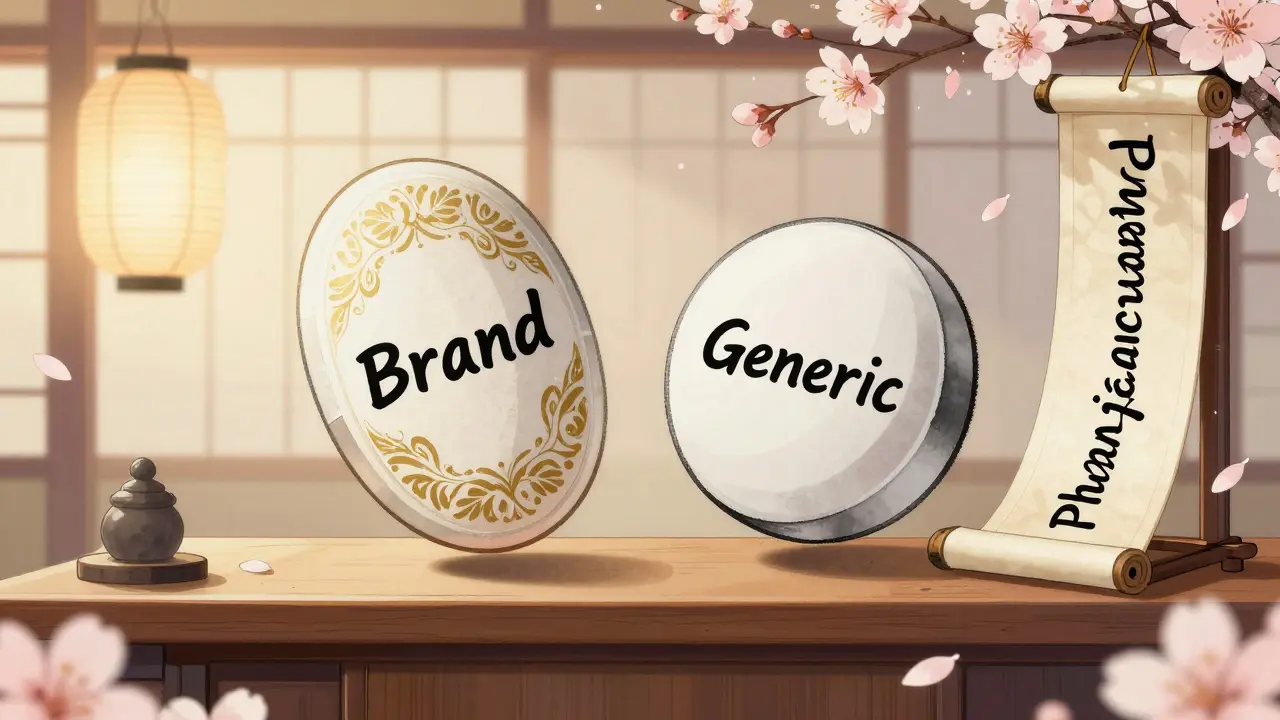
When you pick up a generic prescription, you might assume it’s just a cheaper version of the brand-name drug. But what does it actually mean for two drugs to be pharmaceutical equivalents? It’s not just about price or packaging. It’s about science, regulation, and safety - and understanding this can help you make smarter choices about your meds.
What Exactly Is Pharmaceutical Equivalence?
Pharmaceutical equivalence means two drug products have the same active ingredient, in the same amount, in the same form, and given the same way. That’s it. If your brand-name pill is 20 mg of atorvastatin in an oral tablet, the generic must also contain exactly 20 mg of atorvastatin in an oral tablet. No more. No less. The FDA requires this to be true before any generic can even be considered for approval.This isn’t a suggestion. It’s a hard rule. The FDA’s Orange Book - officially called Approved Drug Products with Therapeutic Equivalence Evaluations - spells this out clearly. As of its April 2024 update, the agency lists over 15,000 approved generic drugs, and every single one had to prove it matched the brand-name drug on these basic chemical and physical traits.
But here’s where people get confused: pharmaceutical equivalence doesn’t mean the pills look the same. Generics can be a different color, shape, or size. They can have different fillers, dyes, or preservatives - what we call excipients. These don’t affect how the drug works, but they can matter if you’re allergic to, say, lactose or a certain dye. That’s why pharmacists sometimes ask if you’ve had reactions to generics before.
Why This Matters More Than You Think
You might wonder: if the active ingredient is the same, why does it even matter? The answer is simple: because it’s the foundation for everything else.Pharmaceutical equivalence is Step One. Step Two is bioequivalence. That’s when the FDA checks whether your body absorbs the drug the same way. For example, if the brand-name drug gets into your bloodstream at a rate of 100 units per hour, the generic must deliver between 80 and 125 units per hour. That’s not a wide gap - it’s tight enough to ensure consistent results. But it’s not guaranteed just because the pills look alike.
And Step Three? Therapeutic equivalence. That’s when doctors and pharmacists know they can safely swap one drug for another without worrying about side effects or loss of effectiveness. The FDA rates this in the Orange Book with an “AB” rating. If a generic is rated AB, it means it’s pharmaceutically equivalent, bioequivalent, and clinically interchangeable.
But not all generics get that rating. About 2,500 of the 15,000+ generics in the Orange Book are rated “B.” That means they may have issues - maybe the release profile is off, or the formulation behaves differently under certain conditions. These are often complex drugs like inhalers, injectables, or topical creams. For drugs like warfarin, where even a tiny change in blood levels can cause a clot or a bleed, this distinction isn’t just technical - it’s life-or-death.
What Happens Behind the Scenes
How do companies prove pharmaceutical equivalence? It’s not easy. Manufacturers must submit an Abbreviated New Drug Application (ANDA) to the FDA. This includes:- High-performance liquid chromatography (HPLC) tests to confirm the exact amount of active ingredient - within ±5% of the brand-name drug.
- Dissolution testing to show the drug breaks down at the same rate in the body.
- Stability testing under international standards (ICH Q1A(R2)) to prove it lasts as long on the shelf.
These aren’t theoretical checks. Labs use real-world conditions. A tablet might be exposed to heat, humidity, and light to mimic storage in a pharmacy or your medicine cabinet. If it degrades too fast, it gets rejected.
The FDA doesn’t just trust the data - they inspect manufacturing sites. In 2023 alone, the agency conducted over 3,000 inspections of generic drug facilities worldwide. Many are in India and China. If a plant fails an inspection, the FDA can block imports until fixes are made. That’s why you don’t see random generics suddenly appear on shelves - the system is designed to catch problems before they reach patients.
The Excipient Problem You Never Hear About
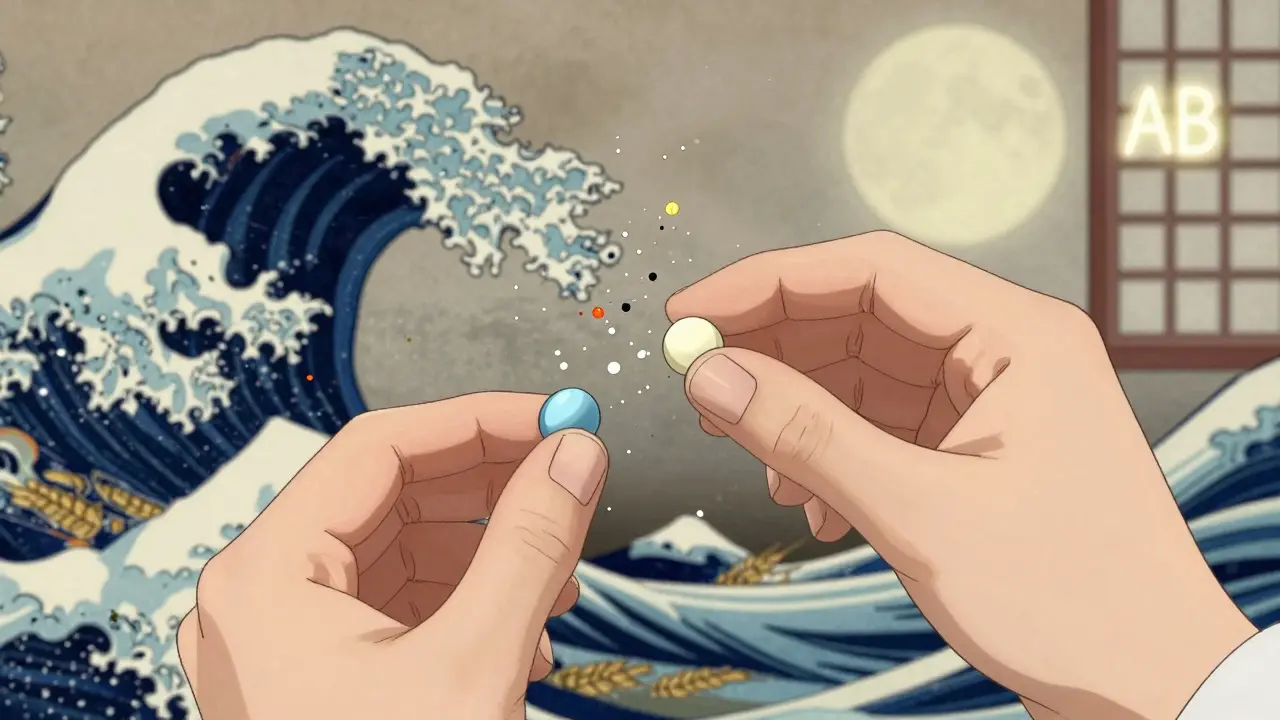
Most people think generics are identical. But excipients? They’re not. And that matters more than you’d expect.A 2022 survey in the Journal of the American Pharmacists Association found that 87% of pharmacists had at least one patient report a side effect - like stomach upset, rash, or dizziness - linked to a change in excipients. For most, it’s mild. But for someone with celiac disease, a generic made with wheat starch could trigger symptoms. For diabetics, sugar-based fillers might affect blood sugar. For those with allergies, certain dyes or preservatives can cause reactions.
That’s why some pharmacists now ask: “Have you ever had a reaction to a generic version of this drug?” It’s becoming standard practice. The FDA doesn’t require manufacturers to list all excipients on the label, but they do keep detailed records. If you’ve had a bad reaction before, ask your pharmacist to check the inactive ingredients. You have a right to know.
How This Impacts Your Prescriptions
In the U.S., 90% of prescriptions are filled with generics. That’s because they save money - an average of $1,008 per prescription. From 2009 to 2023, generics saved the healthcare system over $2.2 trillion.But here’s the catch: not all generics are created equal. If your doctor prescribes a drug with a narrow therapeutic index - like levothyroxine, digoxin, or lithium - you should be extra careful. Even small differences in how your body absorbs the drug can throw off your treatment. Many hospitals require pharmacists to verify the Orange Book rating before substituting these drugs. Some even require patient consent.
And if you’re switching between generics? That’s also a risk. Two different generics of the same drug might both be rated AB, but still behave slightly differently because of how they’re made. A 2023 Kaiser Family Foundation survey found that 42% of patients thought generics contain only 80% of the active ingredient. That’s not true - the 80-125% range applies to how the body absorbs the drug, not what’s in the pill. But that misunderstanding leads people to distrust generics unnecessarily.

What’s Changing Now?
The FDA isn’t resting. In 2023, they launched the Complex Generic Drug Product Development program. Why? Because some drugs - like inhalers, patches, or injectables - aren’t as simple as a pill. Their delivery system matters. Two generics might have the same active ingredient, but if one delivers it slower or unevenly, it won’t work the same.Starting in 2024, the FDA proposed new rules requiring more advanced testing for these complex products. Techniques like Raman spectroscopy and X-ray powder diffraction are being tested to see how the drug’s physical structure affects performance. These aren’t just fancy tools - they help catch subtle differences that traditional tests miss.
The Generic Drug User Fee Amendments (GDUFA III), implemented in 2022, also sped up reviews. Approval times dropped from 24 months to 18. That means more generics hit the market faster - and prices drop quicker.
Meanwhile, the American Society of Health-System Pharmacists is pushing for better labeling of excipients. They argue patients deserve to know what’s in their pills - not just the active ingredient. The FDA hasn’t changed rules yet, but they’re listening.
What You Should Do
If you’re taking a generic drug:- Don’t assume all generics are the same. If you switch brands and feel different, tell your pharmacist.
- Ask for the inactive ingredient list if you have allergies or sensitivities.
- For critical drugs like thyroid, seizure, or blood thinners, ask your doctor to write “dispense as written” on the prescription.
- Check the Orange Book ratings if you’re unsure - your pharmacist can help.
- Remember: pharmaceutical equivalence means the same active ingredient. Bioequivalence means your body handles it the same. Therapeutic equivalence means you can swap them safely.
Generics aren’t inferior. They’re rigorously tested. But they’re not perfect. And knowing the difference between what’s identical and what’s just close can make all the difference in your health.
Do generic drugs contain less active ingredient than brand-name drugs?
No. Generic drugs must contain the exact same amount of active ingredient as the brand-name version - within a tolerance of ±5%. The confusion comes from bioequivalence standards, which allow for an 80%-125% range in how much of the drug enters your bloodstream. That’s because of natural differences in how people absorb medication, not because the pill has less. The active ingredient in the pill itself is identical.
Can I safely switch between different generic versions of the same drug?
For most drugs, yes. If both generics are rated "AB" in the FDA’s Orange Book, they’re considered therapeutically equivalent. But for drugs with a narrow therapeutic index - like warfarin, levothyroxine, or lithium - switching between generics can sometimes cause side effects or reduced effectiveness. Talk to your doctor or pharmacist before switching, especially if you notice changes in how you feel.
Why do generic pills look different from brand-name ones?
The law allows generic manufacturers to change the color, shape, size, and markings of a pill - as long as the active ingredient, strength, dosage form, and route of administration are identical. These differences help avoid trademark infringement. The appearance doesn’t affect how the drug works, but it can help you recognize which version you’re taking.
Are generic drugs tested as thoroughly as brand-name drugs?
Yes - but differently. Brand-name drugs go through full clinical trials to prove safety and effectiveness. Generics don’t repeat those trials. Instead, they prove pharmaceutical and bioequivalence using lab tests and small studies on healthy volunteers. The FDA requires the same standards for manufacturing quality, purity, and stability. So while the testing path is shorter, the bar for approval is just as high.
What does the "AB" rating mean in the FDA’s Orange Book?
The "AB" rating means the generic drug is both pharmaceutically equivalent and bioequivalent to the brand-name drug. It’s the highest rating for interchangeability. Pharmacists can substitute an "AB" rated generic without needing a doctor’s approval. Drugs rated "BX" or "BZ" are not considered interchangeable - often because of delivery issues, stability concerns, or inconsistent absorption.
12 Comments
Pharmaceutical equivalence is one of those things that sounds simple until you dig into the details. The FDA’s Orange Book is the real MVP here - it’s not just a list, it’s a living document that saves lives every day. I’ve worked in pharmacy for 18 years, and I’ve seen generics fail dissolution tests that would’ve slipped through without proper oversight. The system isn’t perfect, but it’s built on science, not marketing.
From a pharmacokinetic standpoint, the ±5% active ingredient tolerance is statistically robust, but excipient variability remains the Achilles’ heel of generic substitution. I’ve encountered multiple case reports where PEG-based lubricants induced subclinical GI irritation in elderly patients with compromised mucosal barriers. The regulatory framework prioritizes bioequivalence metrics, yet fails to mandate excipient disclosure at point-of-sale - a glaring oversight in patient-centered care.
It’s fascinating how people treat generics like they’re some kind of conspiracy. The fact that we’re even having this conversation suggests a fundamental misunderstanding of how drug approval works. If you’re worried about your medication, you’re not being cautious - you’re being performative. The FDA doesn’t play games. The data is public. Read the Orange Book. Or better yet, stop being so dramatic about your pills.
Thanks for laying this out so clearly. I’ve been on levothyroxine for over a decade, and I’ve switched generics three times. Each time, my TSH drifted - not wildly, but enough that my endocrinologist had to tweak the dose. Now I ask for the brand every time. It’s not about distrust. It’s about consistency. I appreciate that generics save money, but some things aren’t worth the gamble.
Let’s be honest - most generics are manufactured in countries with regulatory environments that wouldn’t pass muster in a developed nation. The FDA’s inspections are a farce. They inspect 3,000 facilities a year? That’s less than 1% of global production. And yet we’re supposed to believe every tablet is flawless? Please. The real story isn’t in the Orange Book - it’s in the whistleblower reports no one talks about.
I had a patient once who broke out in hives after switching to a new generic of her blood pressure med. Turns out the new version used a dye she was allergic to. No one told her. No one asked. We’ve got to start treating inactive ingredients like they matter - because they do. Just because it doesn’t cure cancer doesn’t mean it won’t ruin your day.
I’m from Indonesia, and we don’t have the same regulatory rigor here. We get generics from everywhere - India, China, even some local stuff. Sometimes the pills look totally different, and patients panic. I always tell them: check the active ingredient. If it’s the same, the color doesn’t matter. But I wish we had an Orange Book equivalent. People deserve to know what’s in their medicine.
The notion that pharmaceutical equivalence equates to clinical interchangeability is a dangerous oversimplification. One must consider polymorphic forms, crystalline lattice integrity, and particle size distribution - all of which are subject to manufacturing variance. The current regulatory paradigm prioritizes cost-efficiency over pharmacodynamic fidelity. This is not innovation - it is commodification of human physiology.
My mom switched generics and started feeling dizzy. We called the pharmacy. They checked the excipients - turns out the new one had lactose. She’s lactose intolerant. No one asked. No one told. I’m so glad you mentioned this. I’m gonna start asking for the ingredient list every time. Small thing. Big difference.
Generics are fine. I’ve been on them for years. No issues. Just take the damn pill.
Wow, this is so American. Like, really? You’re worried about excipients? In India, they make generics that work better than the originals. The US is so obsessed with regulation it forgets that sometimes, less bureaucracy = better medicine. Just sayin’.
Oh wow, a 15,000-page document about how pills are made? I didn’t know I needed a PhD to take my blood pressure meds. 🤡 Next you’ll tell me I need to test the pH of my water before drinking it. #PharmaBro