
Feeling constantly tired? Struggling with low energy despite getting enough sleep? You might not be alone. Male hypogonadism, also known as low testosterone or andropause, is a condition where the testes do not produce enough of the hormone testosterone. It affects millions of men worldwide, yet it remains one of the most misunderstood endocrine disorders. While aging naturally lowers testosterone levels, clinical hypogonadism is different-it causes specific physical and mental symptoms that impact daily life.
This article breaks down what male hypogonadism really is, how to spot the signs, and what treatment options actually work based on current medical guidelines.
What Is Male Hypogonadism?
Male hypogonadism is defined by insufficient production of testosterone, the primary male sex hormone responsible for libido, muscle mass, bone density, and red blood cell production. The condition is categorized into two main types based on where the problem originates in the body's hormonal axis.
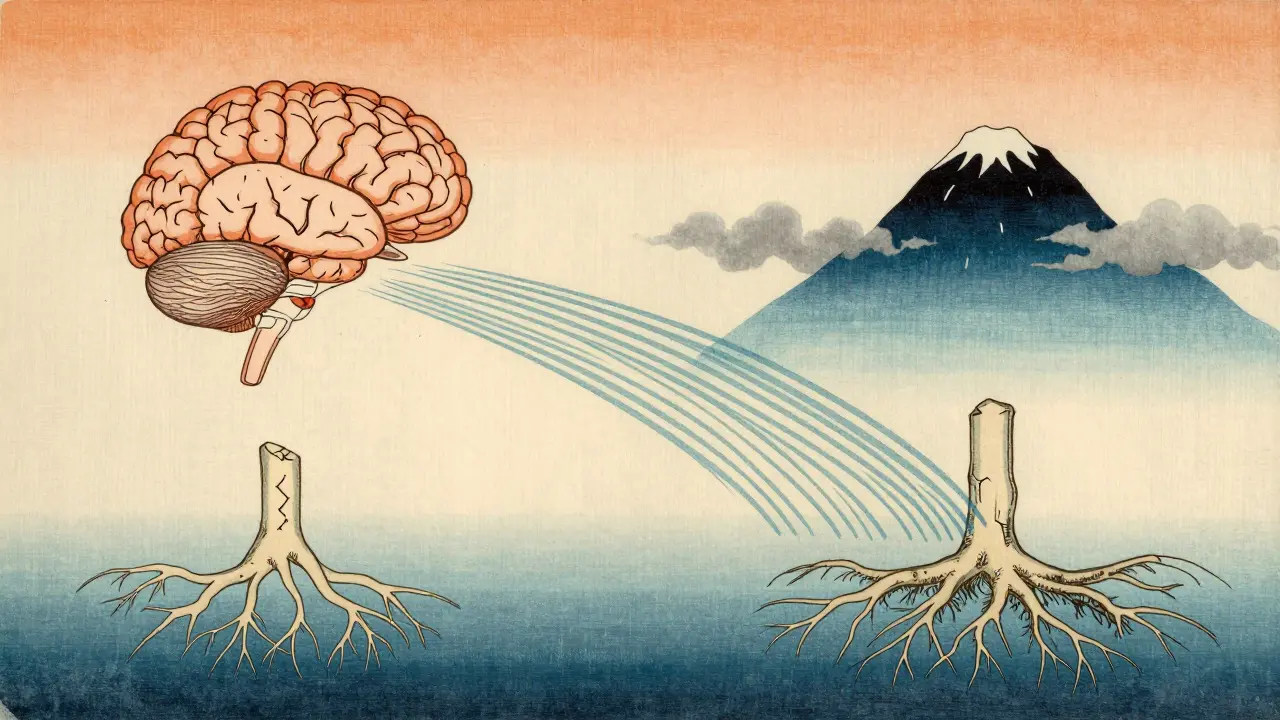
- Primary Hypogonadism (Hypergonadotropic): The issue lies in the testes themselves. They fail to produce testosterone despite receiving signals from the brain. In this case, levels of Luteinizing Hormone (LH) and Follicle-Stimulating Hormone (FSH) are high because the pituitary gland is shouting at the testes to work harder. Causes include genetic conditions like Klinefelter syndrome, injury, infection (such as mumps orchitis), or chemotherapy.
- Secondary Hypogonadism (Hypogonadotropic): The problem starts in the brain-specifically the hypothalamus or pituitary gland. These areas fail to send the correct signals (LH and FSH) to the testes. This form is more common and can be caused by obesity, pituitary tumors, opioid use, or chronic stress.
Understanding which type you have is crucial because it dictates the treatment path. For instance, secondary hypogonadism linked to obesity may improve significantly with weight loss, whereas primary hypogonadism often requires lifelong hormone replacement.
Key Symptoms of Low Testosterone
Symptoms of hypogonadism vary widely among individuals. Some men experience mild fatigue, while others face severe sexual dysfunction and depression. According to data from the Cleveland Clinic and StatPearls, the most reliable indicators include:
- Sexual Dysfunction: Decreased libido (low sex drive) is present in about 85% of symptomatic men. Reduced spontaneous erections and fewer morning erections are also strong markers.
- Physical Changes: Loss of lean muscle mass, increased body fat (particularly around the abdomen), and reduced testicular volume (under 15 mL).
- Fatigue and Mood: Persistent tiredness that doesn't improve with rest, irritability, and in some cases, depressive symptoms.
- Bone Health: Long-term low testosterone leads to decreased bone mineral density, increasing the risk of osteoporosis and fractures.
- Anemia: Testosterone stimulates red blood cell production. Low levels can cause hemoglobin to drop below 13.5 g/dL, leading to mild anemia.
If you notice several of these symptoms persisting for more than a few months, it is time to consult a healthcare provider. However, symptoms alone are not enough for a diagnosis; blood tests are essential.
How Is Hypogonadism Diagnosed?
Diagnosing male hypogonadism requires precision. Many men assume they have low testosterone based on online quizzes, but clinical diagnosis follows strict protocols to avoid false positives.
- Morning Blood Tests: Testosterone levels follow a circadian rhythm, peaking between 8:00 AM and 11:00 AM. The Endocrine Society recommends drawing blood during this window. Levels taken later in the day may appear falsely low.
- Two Separate Measurements: A single low reading is not diagnostic. Guidelines require two separate early-morning serum testosterone measurements below 300 ng/dL to confirm the diagnosis.
- Mass Spectrometry Testing: Standard immunoassays can have error rates of 15-20%. Mass spectrometry is the gold standard for accuracy.
- Hormonal Panel: Doctors will also measure LH and FSH to distinguish between primary and secondary hypogonadism. Prolactin and hematocrit levels are checked to rule out other causes.
If your total testosterone falls between 250-350 ng/dL, doctors may order a free testosterone test using equilibrium dialysis. Treatment is considered if free testosterone is below 65 pg/mL and symptoms are present.
Treatment Options: Testosterone Replacement Therapy (TRT)
For men with confirmed symptomatic hypogonadism, Testosterone Replacement Therapy (TRT) is the cornerstone of treatment. The goal is to restore testosterone levels to the normal range (typically 350-700 ng/dL) and alleviate symptoms. There are four main delivery methods:
| Method | Application Frequency | Pros | Cons |
|---|---|---|---|
| Transdermal Gels | Daily | Steady hormone levels; easy to adjust dose | Risk of transferring testosterone to others via skin contact |
| Injections | Every 2-4 weeks | Cost-effective ($30-50/month); highly effective | Fluctuating levels (peaks and troughs); requires medical supervision |
| Buccal Systems | Twice daily | No skin transfer risk | Gum irritation; less convenient |
| Subcutaneous Pellets | Every 3-6 months | Stable levels; "set and forget" convenience | Requires minor surgical insertion; higher cost per procedure |
| Oral Capsules (e.g., Jatenzo) | Daily with food | No skin transfer; high bioavailability | Must be taken with high-fat meals; potential liver monitoring needed |
In 2023, the FDA approved Jatenzo, an oral testosterone undecanoate capsule, offering a new option for those who dislike injections or gels. It has 95% bioavailability when taken with a high-fat meal.
Lifestyle Changes and Non-Pharmacological Approaches
Before starting TRT, especially for secondary hypogonadism related to lifestyle factors, doctors often recommend a 3-6 month trial of lifestyle modification. Research shows that losing just 10% of body weight can increase testosterone levels by 150-200 ng/dL in obese men.
- Weight Loss: Adipose tissue contains the enzyme aromatase, which converts testosterone into estrogen. Reducing fat mass directly boosts testosterone.
- Resistance Training: Strength training stimulates natural testosterone production and helps build lean muscle mass.
- Sleep Hygiene: Poor sleep drastically reduces testosterone. Aim for 7-9 hours of quality sleep per night.
- Stress Management: Chronic stress elevates cortisol, which antagonizes testosterone. Meditation, exercise, and therapy can help lower cortisol levels.
For many men with obesity-related hypogonadism, these changes alone can resolve symptoms without the need for lifelong medication.
Risks and Side Effects of TRT
While TRT is safe for most appropriately selected patients, it is not without risks. The FDA mandates black box warnings regarding potential cardiovascular issues. Key concerns include:
- Polycythemia: TRT increases red blood cell production. If hematocrit exceeds 50%, the risk of blood clots rises. Regular monitoring and occasional therapeutic phlebotomy (blood removal) may be necessary.
- Prostate Health: Men with existing prostate cancer should avoid TRT. Those with benign prostatic hyperplasia (BPH) need regular PSA monitoring. TRT does not cause prostate cancer, but it can stimulate existing cancer growth.
- Fertility Issues: Exogenous testosterone suppresses natural sperm production. Men wishing to preserve fertility should discuss alternatives like Clomiphene Citrate or hCG injections.
- Acne and Skin Oils: Increased sebum production can lead to acne outbreaks in some users.
The ongoing TRAVERSE trial, completing in 2025, aims to provide definitive data on long-term cardiovascular safety, tracking 5,000 men over five years.
When to Avoid TRT
Not everyone with low testosterone needs or should receive treatment. TRT is generally contraindicated in men with:
- Untreated severe heart failure
- Prostate or breast cancer
- Erythrocytosis (hematocrit >50%)
- Severe untreated sleep apnea
Additionally, asymptomatic men with low testosterone levels do not benefit from TRT. Treatment is reserved for those with both confirmed low levels AND significant symptoms.
Future Directions in Hypogonadism Care
Research is evolving toward personalized medicine. The Endocrine Society’s upcoming guidelines emphasize phenotype-specific approaches rather than one-size-fits-all targets. Emerging therapies include Selective Androgen Receptor Modulators (SARMs) like enobosarm, which aim to provide muscle-building benefits without suppressing natural testosterone production or affecting prostate health. While still in clinical trials, these drugs represent a potential shift in how we manage age-related muscle loss and low testosterone.
What is the normal testosterone level for men?
Normal total testosterone levels typically range from 300 to 1,000 ng/dL. However, optimal levels for symptom relief often fall between 350 and 700 ng/dL. Levels below 300 ng/dL on two separate tests indicate hypogonadism.
Can low testosterone be reversed without medication?
Yes, particularly in cases of secondary hypogonadism caused by obesity, poor sleep, or stress. Weight loss of 10% or more, resistance training, and improved sleep hygiene can significantly raise testosterone levels naturally. Primary hypogonadism due to genetic or testicular damage usually requires medication.
Does TRT affect fertility?
Yes, traditional TRT suppresses the body's natural production of sperm, potentially causing temporary infertility. Men planning to father children should discuss alternative treatments like Clomiphene Citrate or hCG injections with their doctor.
How quickly do you feel results from TRT?
Many men report improved energy and mood within 2-4 weeks. Libido and erectile function often improve within 3-6 weeks. Physical changes like increased muscle mass and decreased body fat take longer, typically 3-6 months of consistent therapy combined with exercise.
Is TRT safe for older men?
TRT can be safe for older men with confirmed symptomatic hypogonadism, provided they undergo regular monitoring for cardiovascular health, prostate issues, and hematocrit levels. Recent studies suggest no significant increase in cardiovascular events in appropriately monitored patients, but individual risk assessment is crucial.