

Walking into a clinic with a red, painful patch on your leg or a honey-colored crust on your child's face can feel alarming. You might wonder if it's just a rash, an insect bite, or something more serious. Distinguishing between Impetigo is a superficial bacterial skin infection primarily caused by Staphylococcus aureus and Streptococcus species, characterized by honey-colored crusts. and Cellulitis is a deeper infection of the dermis and subcutaneous tissue causing poorly demarcated redness, swelling, and warmth. is critical because their treatments differ significantly. While impetigo often responds to topical creams, cellulitis typically requires oral antibiotics to prevent systemic spread.
Both conditions are among the most common reasons patients visit family physicians. In a large study involving nearly 320,000 health plan members in Salt Lake City, these infections accounted for a significant portion of office visits. The key difference lies in depth: impetigo stays on the surface, while cellulitis digs into the deeper layers of the skin. Getting this right early prevents complications like sepsis or toxic shock syndrome, especially when resistant bacteria like MRSA are involved.
Understanding the Core Differences
At first glance, both infections look similar-red, warm, and uncomfortable. But looking closer reveals distinct clinical features that help doctors make a diagnosis without always needing a biopsy.
- Location: Impetigo affects the epidermis (outer layer). Cellulitis affects the dermis and subcutaneous fat.
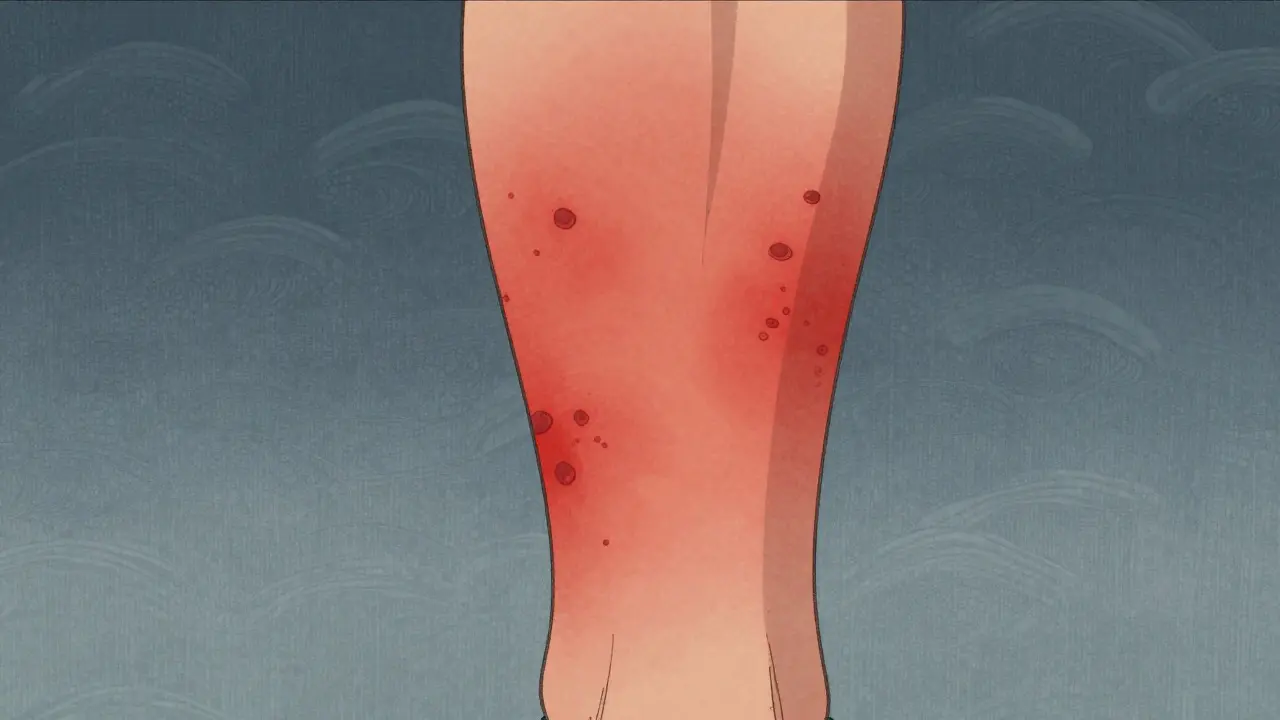
- Appearance: Impetigo presents with blisters that rupture into sticky, honey-colored crusts. Cellulitis appears as a spreading area of redness with blurred edges.
- Symptoms: Impetigo is often itchy but rarely painful. Cellulitis is tender to the touch, swollen, and feels hot.
- Causative Agents: Impetigo is driven heavily by Staphylococcus aureus is a bacterium known for causing skin and soft tissue infections, including impetigo and abscesses. Cellulitis is predominantly caused by Streptococcus species is bacteria commonly responsible for strep throat and cellulitis infections.
It is worth noting that Erysipelas is a superficial form of cellulitis with sharply demarcated borders, almost exclusively caused by Streptococcus. is a specific type of cellulitis that looks different from standard cellulitis. It has clear, raised borders and is usually limited to the upper legs or face. If you see sharp lines around the redness, think erysipelas; if the edges fade gradually into normal skin, think cellulitis.
Who Gets These Infections?
Anyone can get these infections, but certain groups are at higher risk. Children aged 2 to 5 years are particularly susceptible to impetigo, which is why it is often called "school sores." It spreads easily through direct contact in classrooms and nurseries. For adults, cellulitis becomes more common with age, especially in those over 60. Underlying health conditions play a huge role here. People with diabetes, venous insufficiency, or eczema have compromised skin barriers, making entry points for bacteria easier.
Hygiene matters too. A simple cut, scrape, or insect bite can become a gateway for infection. In households where one person has impetigo, others often catch it via shared towels or clothing. This high contagion rate means that treating one case quickly helps stop the chain within a family or school setting.
Antibiotic Choices: What Works Best?
Treatment depends on the severity and location of the infection. For mild, localized impetigo, topical antibiotics are often sufficient. Mupirocin is a topical antibiotic ointment effective against Staphylococcus aureus, showing 90% efficacy for localized impetigo. is the go-to choice here. It works well because it targets the specific bacteria causing the surface infection without exposing the whole body to systemic drugs.
When impetigo is widespread or doesn't respond to creams, oral antibiotics step in. In the UK, guidelines favor flucloxacillin for both impetigo and cellulitis. However, prescription trends vary globally. In France, amoxicillin is increasingly used for cellulitis, while pristinamycin is preferred for severe impetigo. Why the difference? Local resistance patterns drive these choices. Doctors look at what bacteria in their region are responding to before prescribing.
| Feature | Impetigo | Cellulitis |
|---|---|---|
| First-Line Topical | Mupirocin | Rarely used alone |
| Standard Oral Antibiotic (UK) | Flucloxacillin | Flucloxacillin |
| Alternative Oral (France) | Pristinamycin / Amoxicillin-Clavulanate | Amoxicillin |
| Typical Duration | 7-10 days | 5-14 days |
| MRSA Option | Clindamycin / Vancomycin | Vancomycin / Clindamycin |
If the infection doesn't improve after 48 to 72 hours, doctors suspect MRSA is Methicillin-resistant Staphylococcus aureus, a strain of bacteria resistant to methicillin and related antibiotics.. This resistant bug doesn't respond to standard penicillins. In these cases, culture and sensitivity tests are crucial. They tell the doctor exactly which antibiotic will kill the specific bacteria present. Without this test, guessing can lead to treatment failure and further spread of resistance.
Diagnosis and When to Worry
Most diagnoses are made visually. A doctor looks at the shape, color, and texture of the lesion. However, misdiagnosis happens. Cellulitis is sometimes mistaken for a simple allergic rash or contact dermatitis. This delay can be dangerous. If the redness spreads rapidly, or if you develop a fever, chills, or feeling generally unwell, seek medical attention immediately. These signs suggest the infection is moving beyond the skin into the bloodstream.
For recurrent cases, especially in adults with diabetes or poor circulation, imaging might be needed to rule out deeper abscesses or bone involvement. Blood tests can also show elevated white blood cell counts, indicating a systemic response to the infection. Early recognition is key. Studies show that starting appropriate antibiotics within the first few days significantly reduces the risk of hospitalization and long-term scarring.
Prevention and Daily Management
Preventing these infections comes down to basic hygiene and wound care. Keep cuts clean and covered. Wash hands frequently, especially children who scratch or pick at sores. Avoid sharing towels, clothes, or bedding with someone who has impetigo until they have been on antibiotics for at least 24 hours. This window allows the medication to reduce the bacterial load enough to stop transmission.
For those prone to cellulitis, managing underlying conditions is vital. Controlling blood sugar levels in diabetes patients improves skin integrity. Treating eczema with moisturizers and anti-inflammatory creams keeps the skin barrier intact. Compression therapy may help those with venous insufficiency, reducing the swelling that predisposes them to infection. Simple steps like these can turn a recurring problem into a rare event.
Frequently Asked Questions
Is impetigo contagious to adults?
Yes, impetigo is highly contagious to anyone, though it is most common in children. Adults can catch it through direct contact with lesions or contaminated objects like towels. It is less common in adults because their immune systems are generally stronger and skin barriers are more intact, but it still occurs, especially in healthcare workers or parents of infected children.
How long does cellulitis take to heal?
With proper antibiotic treatment, symptoms usually start improving within 48 to 72 hours. Complete healing typically takes 7 to 10 days. However, some residual redness or swelling may linger for a few weeks. If there is no improvement after three days of antibiotics, re-evaluation is necessary to check for resistant bacteria or other complications.
Can I use leftover antibiotics for a skin infection?
No, avoid using leftover antibiotics. The dose, duration, and type of antibiotic must match the specific infection. Using the wrong drug or stopping too early contributes to antibiotic resistance. Always consult a healthcare provider for a fresh prescription tailored to your current condition and local resistance patterns.
What is the difference between erysipelas and cellulitis?
Erysipelas is a superficial form of cellulitis. It affects the upper dermis and lymphatics, resulting in sharply defined, raised borders. Cellulitis involves deeper tissue and has blurred, indistinct edges. Erysipelas is almost always caused by Streptococcus, while cellulitis can be caused by both Streptococcus and Staphylococcus. Both require antibiotic treatment, but the visual distinction helps in diagnosis.
Do I need a culture test for every skin infection?
Not for every case. Uncomplicated first-time infections are often treated empirically based on common pathogens. Culture tests are recommended for recurrent infections, cases that fail initial treatment, or when MRSA is suspected. This targeted approach saves time and money while ensuring effective treatment for complex cases.
13 Comments
They are absolutely hiding the truth about how these "infections" are actually just a byproduct of our over-vaccinated immune systems being suppressed! The honey crusts? That is not bacteria, that is the body trying to expel the aluminum adjuvants from your MMR shots. You think mupirocin works? It does not. It merely masks the deeper systemic toxicity while the pharmaceutical companies count their profits. Look at the data, people! The Salt Lake City study was funded by Bayer, did you check? They want you to believe it is Staphylococcus aureus so you keep buying flucloxacillin, but really it is just a sign that your gut biome has been destroyed by processed food and fluoride. Do not trust the doctors, they are paid to tell you it is simple cellulitis when it is actually early-stage sepsis caused by 5G radiation weakening your skin barrier. The edges are blurred because the infection is spreading through the lymphatic system due to electromagnetic interference, not because of Streptococcus species. Why do they never mention that eczema is a symptom of heavy metal poisoning? They do not, because then you would stop buying the anti-inflammatory creams and start drinking chelation therapy. This article is pure propaganda designed to keep you compliant with the medical-industrial complex. The real cure is alkaline water and avoiding all synthetic detergents in your laundry, which strip the natural oils that protect against MRSA. But no, we must take oral antibiotics for 7 to 14 days, destroying our microbiome further, just as the elites planned. Wake up before the next wave of "resistant bacteria" hits, which will be another excuse for mandatory quarantine.
Fascinating breakdown of the clinical differences. The distinction between erysipelas and standard cellulitis is often overlooked in general practice, yet critical for accurate diagnosis. Thanks for clarifying the visual cues regarding border definition.
finally someone explained why my leg looked like a tomato vs my kid's face looking like a crime scene. i always thought it was just bad luck. turns out its depth. nice table too. saves me reading five different sites
this helped so much. i had impetigo as a kid and remember the itching being worse than pain. glad to know adults get it too. ty for the tips on towels!
In India, we often see a high prevalence of both conditions due to warm and humid climates, which favor bacterial growth on compromised skin barriers. It is important to note that while the article highlights UK and French guidelines, local resistance patterns in South Asia can differ significantly, often necessitating different first-line oral antibiotics such as cephalexin or even combination therapies in severe cases. The point about hygiene is crucial; in many households, shared bathing practices can inadvertently spread impetigo, especially among young children who may not understand the need for strict isolation of lesions. Furthermore, the management of underlying conditions like diabetes is becoming increasingly relevant as non-communicable diseases rise in developing nations, making the prevention section particularly pertinent for public health strategies. We must also consider the economic burden of recurrent cellulitis, which can lead to significant healthcare costs if not managed with proper compression therapy and wound care. It is encouraging to see such a comprehensive overview that bridges the gap between basic hygiene and advanced antibiotic stewardship. I hope this information reaches patients who might otherwise rely solely on anecdotal advice from family members rather than evidence-based medicine. Thank you for sharing this detailed resource.
You guys need to stop worrying so much! If it hurts and looks red, just go to the doctor! Seriously, the best thing you can do is listen to your body. Don't let the internet scare you into thinking you have some rare disease. It's probably just a little bug. Take the meds, wash your hands, and move on with your life! Life is too short to stress over a rash. Keep smiling and stay healthy everyone! You've got this!
the duality of surface vs depth is interesting. we treat the outside but forget the inside. maybe the real infection is in our habits. clean cuts cover them. simple. dont overthink it just fix the root cause. skin is a mirror of health. keep it moist keep it clean. thats the philosophy. rest is noise
One cannot help but marvel at the intricate dance of bacterial pathogenesis described herein. The precision with which *Staphylococcus aureus* targets the epidermis, contrasting sharply with the more insidious infiltration of *Streptococcus* into the dermis, is nothing short of biological poetry. It is a testament to the evolutionary arms race between host and pathogen, where every cellular defense mechanism is met with a corresponding virulence factor. The clarity provided in distinguishing erysipelas from cellulitis serves as a vital educational tool for the discerning observer. Indeed, the implications for treatment protocols are profound, requiring a nuanced understanding of local epidemiological trends. Let us not overlook the significance of early intervention, for in the realm of infectious disease, time is the most precious currency one possesses.
typical western bias here. they talk about flucloxacillin like its the only answer. in india we use co-amoxiclav a lot because staph is resistant to penicillin in many areas. also the 'hygiene' section is a bit condescending. not everyone lives in a sterile lab. but whatever. the main point is correct: depth matters. if it's deep, you need oral meds. don't waste time on creams for cellulitis. it won't work. i've seen patients waste weeks on mupirocin for what was clearly cellulitis. stupid. save yourself the trouble. go straight to oral abx if it's spreading. that's the moral of the story. act fast or suffer later.
oh wow 🤯 another day another way to die from a scratch. seriously though this post is boring as hell 😴. who cares about mupirocin? just cut the leg off lol 😂. wait no that's extreme. but still. the fact that we have to read a whole essay to know if a bump is bad is ridiculous. just make an app that scans it. 📱💊. anyway thanks for the info i guess. now i'm paranoid about every mosquito bite 🦟👀. bye 👋
This is an excellent summary of the diagnostic criteria. The emphasis on the importance of early recognition and appropriate antibiotic selection is well-placed. It is reassuring to see such clear distinctions made between the two conditions, which can often be confused by laypeople. The inclusion of the comparison table is particularly helpful for quick reference. Well done on providing such a thorough and accessible explanation of these common dermatological issues.
It is quite remarkable how much detail is packed into this single article, considering the complexity of differential diagnoses in primary care settings. One might argue that the distinction between impetigo and cellulitis is straightforward, yet in practice, the overlapping symptoms of redness, warmth, and tenderness can create significant diagnostic ambiguity, particularly in elderly patients or those with comorbidities such as peripheral vascular disease or diabetes mellitus, where the presentation may be atypical or masked by neuropathy. The discussion regarding geographic variations in antibiotic prescribing habits is particularly insightful, highlighting the necessity for clinicians to remain vigilant regarding local resistance patterns rather than relying solely on universal guidelines, which may not reflect the microbiological reality of a specific region. Furthermore, the preventive measures outlined, such as maintaining skin integrity and managing underlying chronic conditions, underscore the proactive approach required to mitigate the risk of recurrence, suggesting that patient education is as critical as pharmacological intervention in achieving long-term health outcomes. Ultimately, this resource serves as a valuable reminder that careful clinical observation and timely laboratory investigation remain the cornerstones of effective management for these common yet potentially serious infections.
they say it's bacteria but i bet it's the water. chlorinated water kills good bacteria and lets the bad ones win. also why do they push pills so much? just use tea tree oil. it's natural. the doctors are in it for the money. look at the salt lake city study again. it was small. sample size was tiny. probably biased. anyway my cousin had this and he got better after fasting for three days. no meds. proof that the body heals itself. stop trusting the pharma ads. they want you sick so you buy more stuff. the honey crust is actually detox. let it come out. don't scrub it. just wait. it will pass. unless you eat sugar. sugar feeds the infection. so cut the sugar. that's the real cure. not mupirocin. just common sense. but who wants common sense when you can sell a pill?