

You pack your suitcase for a holiday or a business trip. You check the weather, you book the flights, and you make sure you have enough cash in local currency. But there is one thing travelers often forget until it is too late: their prescription medications. The urge to buy cheaper pills from a foreign street vendor or an unverified website is strong, especially when domestic prices are high. But this convenience comes with a terrifying price tag. According to the World Health Organization (WHO), roughly one in ten medical products in low- and middle-income countries is substandard or falsified. That is not just a statistic; it is a life-or-death gamble.
Buying medication outside of regulated channels is no longer just about saving money on antibiotics. It has become a sophisticated criminal enterprise involving everything from fake weight-loss injections to lethal painkillers. In October 2024, the European Medicines Agency (EMA) issued urgent warnings about illegal GLP-1 receptor agonists-drugs like semaglutide used for diabetes and weight loss-flooded across Europe. Meanwhile, the U.S. Drug Enforcement Administration (DEA) reported a 37% surge in illegal online pharmacies targeting American consumers. If you are traveling or ordering meds from abroad, knowing how to spot these traps is the most important health decision you will make.
The Hidden Dangers of Foreign Gray Markets
Many people believe that buying drugs from another country is simply a matter of parallel importation-buying a legitimate drug where it is cheap and bringing it home. While parallel imports exist, they create a 'gray market' that criminals exploit. Since 2007, Britain's Medicines and Healthcare products Regulatory Agency (MHRA) has had to recall drugs because counterfeits slipped into legitimate supply chains through these loopholes. When you buy from an unauthorized source, you lose the safety net of tracking systems like the Drug Supply Chain Security Act (DSCSA) in the U.S., which ensures drugs are tracked from manufacturer to pharmacy.
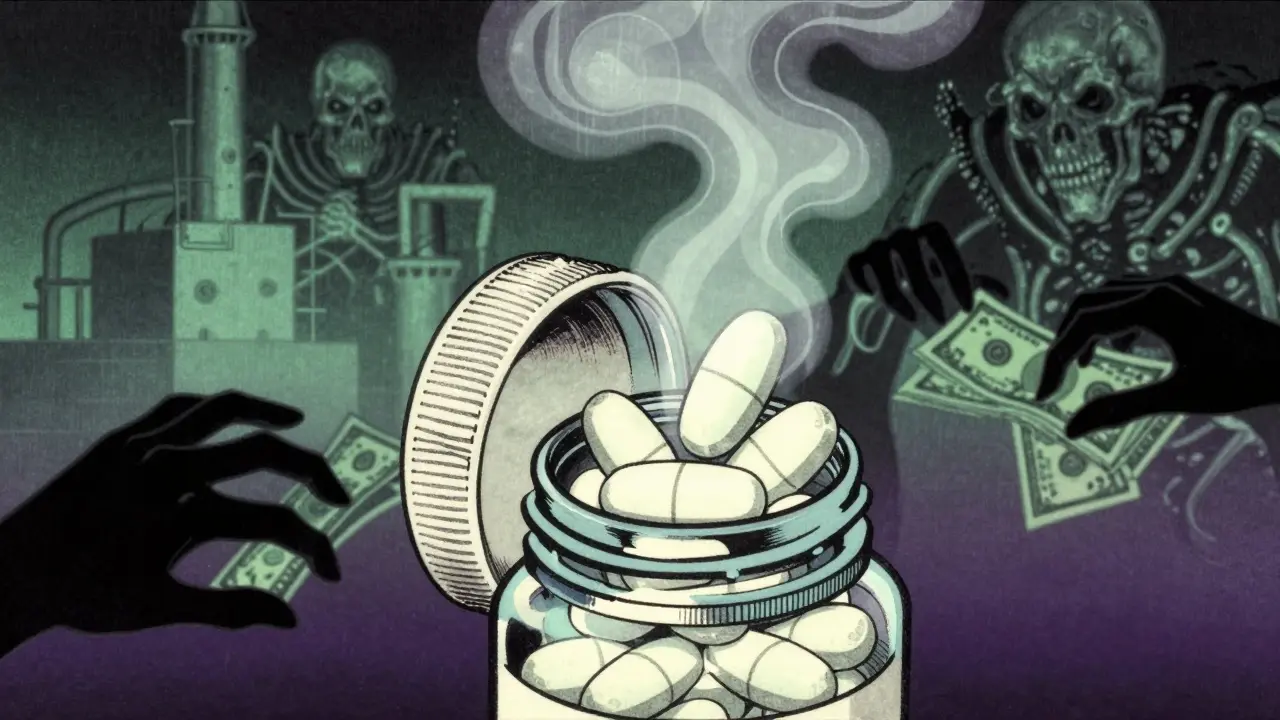
The risk isn't just that the pill might be ineffective. It is that it could be actively harmful. Counterfeit medications often contain wrong ingredients, incorrect dosages, or dangerous contaminants. A tragic example documented by the DEA during 'Operation Press Your Luck' in September 2024 involved a U.S. victim who ordered oxycodone from an online pharmacy. She received pills laced with fentanyl instead. One pill was enough to cause acute poisoning and death days later. This is not a rare anomaly; it is the standard operating procedure for illicit networks that prioritize profit over human life.
Dr. Lucie Laporte, Director of the International Medical Corps, noted in a June 2024 commentary in The Lancet that drug resistance caused by counterfeit medicines poses a severe global threat. Substandard antimalarials in Africa, for instance, fail to treat infections properly, leading to stronger, harder-to-treat strains of malaria. When you bypass regulatory oversight, you are not just risking your own health; you are contributing to a broader public health crisis.
Red Flags: How to Spot an Illegal Pharmacy
Illegal operators are getting smarter, using AI to create convincing websites and social media ads. However, they still leave behind digital breadcrumbs if you know where to look. The DEA and other regulatory bodies have outlined specific warning signs that distinguish a legitimate pharmacy from a scam.
- No Prescription Required: If a website offers to sell you prescription-only medication without asking for a valid prescription from a licensed doctor, it is illegal. Legitimate pharmacies always require this verification to ensure the drug is safe for your specific condition.
- Unusually Low Prices: If the price seems too good to be true, it almost certainly is. Legitimate pharmaceutical companies have strict pricing controls. Drastically lower prices usually indicate counterfeit stock or expired goods.
- Foreign Currency Listings: Be wary if the website lists prices in currencies other than your own, especially if you are not physically located in that country. This often indicates the site is not registered to operate in your jurisdiction.
- Lack of Physical Address: Legitimate pharmacies display a physical address and a phone number that matches their business registration. Scam sites often list P.O. boxes or non-existent addresses.
- Social Media Endorsements: Remember that agencies like the EMA and FDA do not endorse specific brands or products. If a Facebook ad claims a product is 'FDA-approved' or 'EMA-certified,' it is lying. These authorities explicitly state they do not promote specific commercial entities.
In April 2024, the AMA Journal of Ethics highlighted a common misconception: many Americans believe they are buying safe drugs from Canada. In reality, many of these 'Canadian' pharmacies actually ship from countries with weaker regulatory standards, such as India, Turkey, or Southeast Asia. The label 'from Canada' is often a marketing trick to build false trust.
Verifying Legitimacy Before You Buy
Before you hand over your credit card details, take five minutes to verify the pharmacy. This step can save your life. Different regions have different verification tools, but the principle remains the same: check official registries.
In the United States, use the Verified Internet Pharmacy Practice Sites (VIPPS) program managed by the National Association of Boards of Pharmacy (NABP). As of October 2024, only 68 pharmacies held this certification. If a site claims to be VIPPS-accredited but does not appear on the NABP list, it is fraudulent. The NABP also maintains a 'Not Recommended List' containing over 12,000 illegal websites, with new scams added at a rate of approximately 200 per month.
For those in Europe, the EMA advises consulting national competent authorities. Legal online retailers must be listed in official registers maintained by national health agencies. Look for the common logo for legal online pharmacies in the EU, which links directly to the national authority's register. If the link does not work or leads to a generic page, do not buy.
When traveling internationally, consult your embassy or consulate for recommendations on local healthcare providers. They often have lists of verified hospitals and clinics where you can obtain emergency refills safely. Never rely on street vendors or unofficial kiosks, regardless of how friendly they seem.
| Feature | Legitimate Source | Illegal/Gray Market |
|---|---|---|
| Prescription Requirement | Always required and verified | Often waived or self-assessed |
| Pricing | Standard market rates | Significantly discounted (50-90% off) |
| Regulatory Oversight | FDA, EMA, MHRA compliant | No oversight; operates in shadows |
| Contact Information | Physical address, landline phone | Email only, P.O. box, or chat bots |
| Product Origin | Transparent supply chain | Hidden or falsely labeled origins |
Traveling with Medications: Best Practices
If you are taking your medication with you, preparation is key. Customs regulations vary wildly between countries. Some nations strictly prohibit certain controlled substances, even with a prescription. Always check the destination country's health ministry website before you fly.
Keep all medications in their original packaging. This is crucial for two reasons. First, it proves authenticity to customs officials. Second, it ensures you have the correct dosage instructions and expiration dates visible. Remove blister packs or loose pills from bags; security scanners may flag unidentified powders or liquids, causing delays or confiscation.
Carry a copy of your prescription and a letter from your doctor explaining your medical need for the medication. Have this letter translated into the local language if possible. Store your meds in your carry-on luggage, never in checked bags. Checked bags can be lost, stolen, or exposed to extreme temperatures that degrade the medicine. If you go through security screening, inform the officers that you have medical necessities.
Also, consider the climate. Heat and humidity can destroy many drugs. If you are visiting a tropical location, ask your pharmacist for heat-stable alternatives or proper storage containers. Do not leave bottles in a hot car or on a sunny beach.

The Economic Reality of Cheap Meds
Why do people keep buying from illegal sources? Cost. A 2024 survey by the Kaiser Family Foundation found that 68% of U.S. consumers considered purchasing medications abroad due to high domestic prices. The allure of savings is powerful. However, the hidden costs are staggering. The AMA estimated that adverse events from counterfeit medications cost the U.S. health system an additional $67 billion in 2022 alone. Add to that the $34 billion lost by legitimate pharmaceutical businesses, and you see the massive economic drain of this black market.
Furthermore, buying illegally exacerbates drug shortages in source countries. When Americans flood Canadian pharmacies with demand, local patients run out of essential medicines. It is a zero-sum game that hurts vulnerable populations everywhere. Countries with universal healthcare systems report 83% fewer incidents of illegal medication purchases compared to the U.S., according to Commonwealth Fund data from July 2024. This suggests that improving access within regulated systems is the real solution, not bypassing them.
What to Do If You Suspect a Counterfeit
If you receive medication that looks different from usual-wrong color, shape, or taste-or if the packaging is damaged or lacks clear labeling, stop using it immediately. Do not flush it down the toilet. Instead, report it.
In the U.S., contact the FDA’s MedWatch program. In Europe, report to your national medicines agency. Provide as much detail as possible: the website URL, screenshots of the transaction, photos of the packaging, and any remaining pills. This data helps law enforcement track down the suppliers. Interpol’s Operation Pangea XXVII in 2024 resulted in 13,000 arrests and the seizure of 21 million illicit products, largely thanks to consumer reports and cross-border cooperation.
If you experience unexpected side effects after taking a foreign-bought drug, seek medical attention immediately and tell your doctor exactly what you took and where you bought it. Time is critical in cases of poisoning or allergic reactions.
Is it legal to bring prescription medication back from another country?
Laws vary significantly by country. In the U.S., the FDA generally prohibits importing prescription drugs unless they meet specific criteria, such as being for personal use and not posing a significant risk. However, enforcement is inconsistent. In the UK, you can usually bring enough medication for your personal trip duration, but you cannot import controlled drugs without special licenses. Always check the specific regulations of both your departure and arrival countries before traveling.
How can I tell if an online pharmacy is legitimate?
Look for three things: a requirement for a valid prescription, a verifiable physical address, and a license from a recognized regulatory body. In the U.S., check the VIPPS seal on the NABP website. In Europe, look for the common EU online pharmacy logo that links to a national register. If the site sells prescription drugs without a prescription or offers prices drastically lower than competitors, it is likely illegal.
What are the risks of buying GLP-1 weight loss drugs from foreign markets?
The EMA warned in October 2024 about a sharp rise in illegal GLP-1 drugs like semaglutide. These counterfeits may contain no active ingredient, leading to treatment failure, or worse, harmful substances like insulin or other undisclosed chemicals. Using them without medical supervision can lead to serious health problems, including pancreatitis or kidney failure. Always obtain these medications through licensed healthcare providers.
Can counterfeit medications kill you?
Yes. Counterfeit pills can contain lethal doses of potent opioids like fentanyl, as seen in DEA case studies. They may also lack the active ingredient needed to treat serious conditions like heart disease or infection, leading to fatal outcomes due to untreated illness. Additionally, contaminants like heavy metals or industrial solvents used in illegal manufacturing can cause organ damage.
Why are prices so much lower on illegal pharmacy websites?
Lower prices reflect the absence of regulatory compliance costs, quality control testing, and legitimate sourcing fees. Criminal networks buy raw materials cheaply or steal intellectual property. They also avoid taxes and safety inspections. The 'savings' you perceive are actually the cost of safety being removed from the equation.