
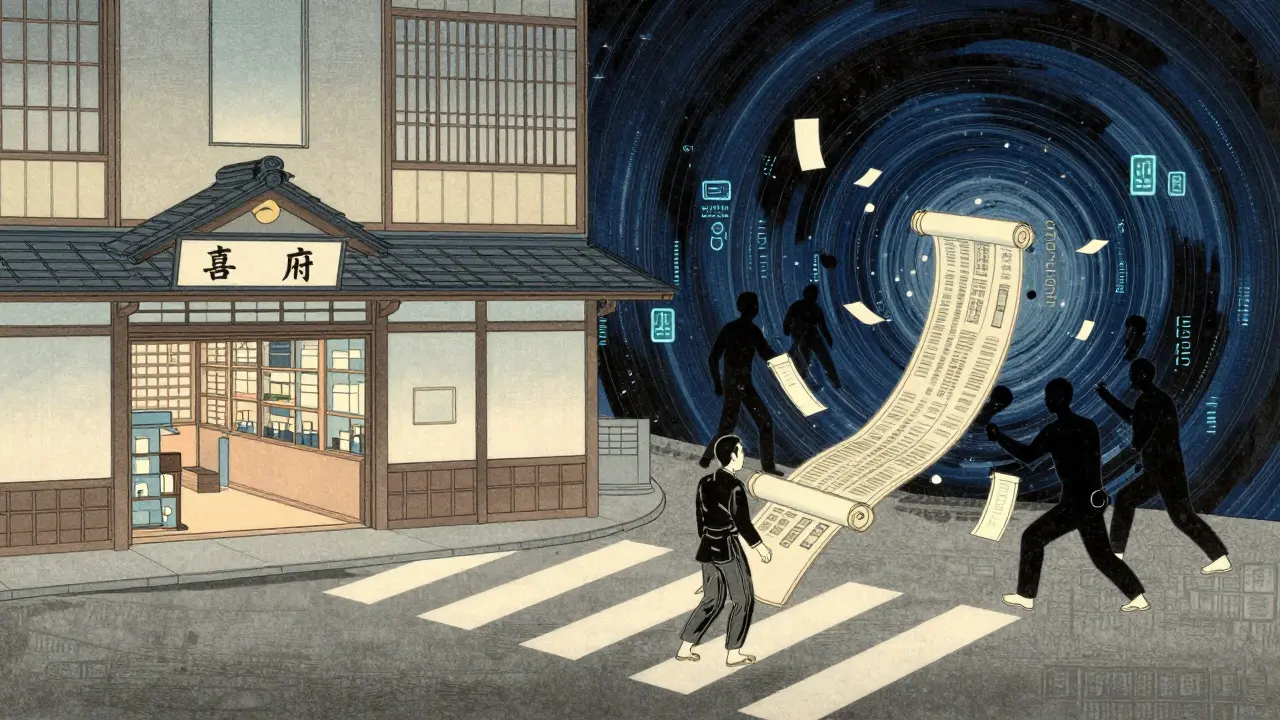
Buying medication online is incredibly convenient, but it comes with a hidden price: your personal data. While clicking a button to refill a prescription saves a trip to the store, it also exposes your most sensitive health and financial information to a digital landscape where 96% of websites selling prescriptions don't follow basic safety laws. This isn't just about a leaked email address; it's about your medical history and identity being sold to the highest bidder.
The reality is stark. Legitimate services exist, but they are outnumbered by rogue operations. According to a 2024 analysis by the Pharmaceutical Journal, online pharmacies are over twice as likely to fail regulatory standards than traditional brick-and-mortar shops. When a site fails these standards, it's rarely just a paperwork error-it's often a complete lack of encryption and access controls that leaves your data wide open.
Quick Safety Check for Your Online Pharmacy
Before you enter your credit card or upload a prescription, use this rapid checklist to gauge if a site is trustworthy:
- Domain Check: Does it end in .pharmacy? This is a restricted top-level domain that requires a 47-point verification process.
- Prescription Requirement: Do they insist on a valid prescription? If a site offers "no prescription needed" medications, it's a massive red flag.
- Physical Presence: Can you find a real street address and a verifiable pharmacy license?
- Verification Seals: Do they display a VIPPS (Verified Internet Pharmacy Practice Sites) seal?
The Technical Side of Your Privacy
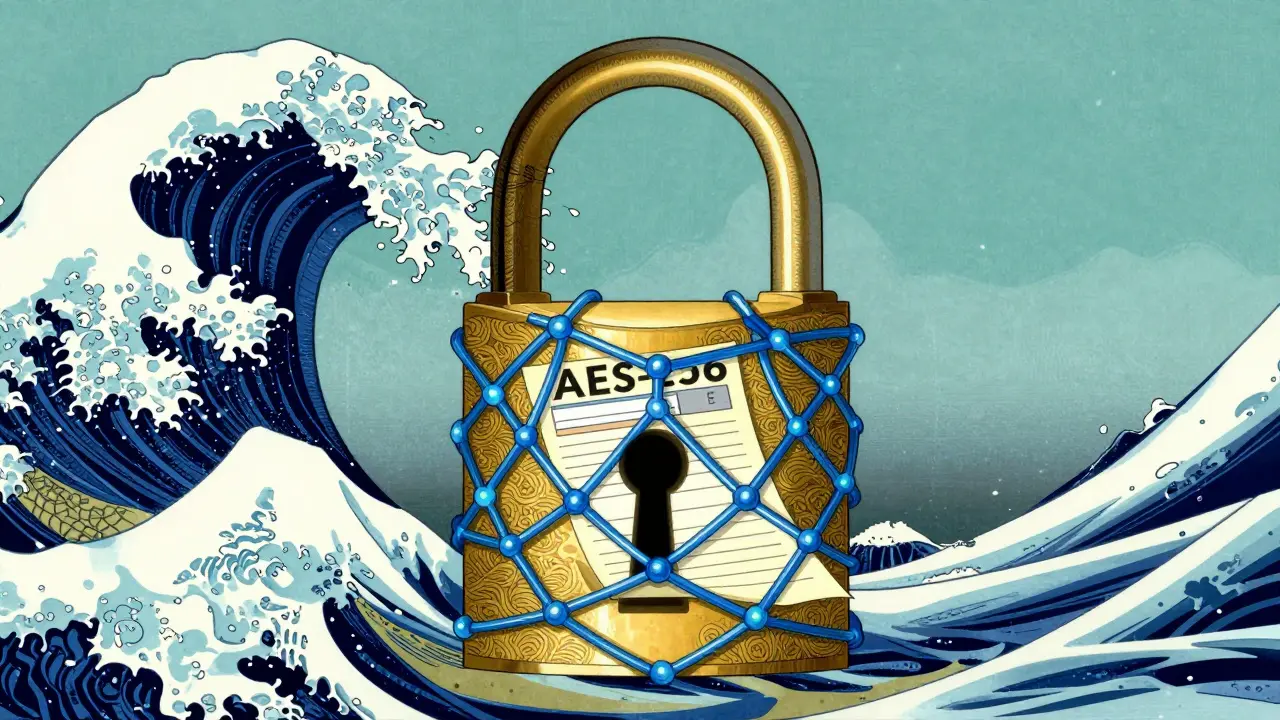
You don't need to be a coder to understand why some sites are safer than others. Legitimate pharmacies follow the HIPAA Security Rule, which is essentially a blueprint for protecting electronic Protected Health Information (ePHI). When a pharmacy is compliant, they use high-level encryption-specifically 256-bit AES for stored data and TLS 1.3 for data moving between your computer and their server.
Most rogue sites ignore these rules. A 2024 report from the National Association of Boards of Pharmacy (NABP) found that 78% of non-compliant pharmacies lacked proper encryption. This is why some users report receiving spam calls or targeted scam emails within hours of placing an order. Your data wasn't just "leaked"; it was likely harvested from the start because the site had no real security walls.
| Feature | VIPPS Accredited Sites | Non-Accredited Sites |
|---|---|---|
| Privacy Regulation Compliance | 98.7% | 36.2% |
| HIPAA Privacy Rule Adherence | High (matches brick-and-mortar) | 58.1% (Average) |
| Identity Verification | Government ID/Biometrics | Often Non-Existent |
| Encryption Standards | AES-256 / TLS 1.3 | 78% Lack Proper Protocols |
Red Flags and Modern Scams
Scammers are getting better at mimicking trust. As of early 2025, nearly 40% of fake pharmacy sites use advanced graphics to create counterfeit verification badges. You can't just trust a logo; you have to verify it. One of the most effective ways to do this is to click the seal to see if it leads back to the official accrediting body's database.
Another danger is the "convenience trap." When a site makes it too easy-no ID check, no prescription, just a quick payment-they are likely operating outside the law. The Drug Enforcement Administration (DEA) has warned that these illegal operations often dispense counterfeit or diverted medications while simultaneously stealing your financial details.
New Rules for 2025 and 2026
The regulatory environment is tightening, which is good news for your privacy. For example, New York State now mandates e-prescriptions for all medications, a move that has already cut prescription fraud by roughly 37%. This removes the danger of forged paper prescriptions being intercepted or misused.
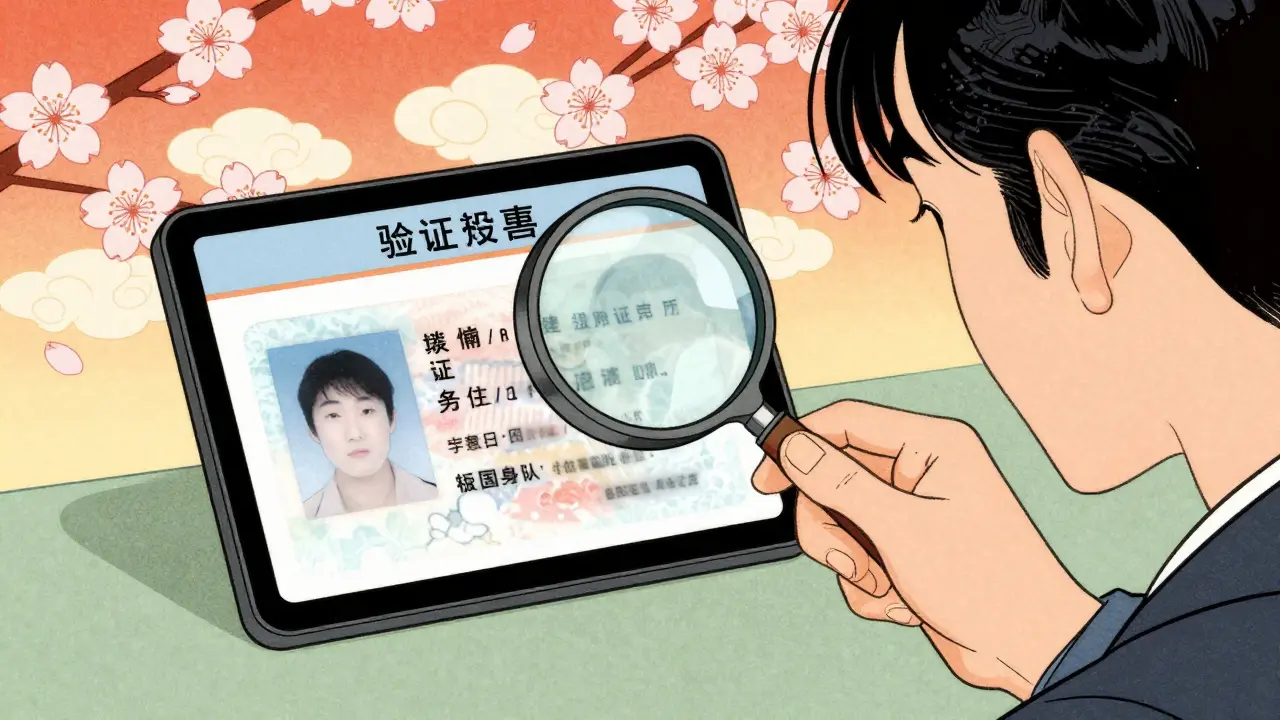
The DEA also introduced stricter telemedicine rules in March 2025. Now, for certain controlled substances, pharmacists must verify your identity using a government-issued ID. While this feels like an extra hurdle, it's a critical security checkpoint that prevents identity theft and ensures the medication is actually going to the patient it was prescribed for.
Practical Steps to Protect Your Information
Since not every site is a gold standard, you can take your own measures to minimize risk. Don't give away more than you have to. Use a burner email address specifically for health services to avoid your primary inbox becoming a target for pharma-scams. Avoid payment methods that reveal your full financial history; instead, use secure third-party payment gateways or virtual cards that limit the amount of money available to the merchant.
If you're unsure about a site, spend 15 to 20 minutes doing a deep dive. Check the NABP database, search for the pharmacy's physical address on a map, and read forums like Reddit's r/Privacy to see if others have reported data breaches. If a site refuses to provide a physical address or a pharmacist's contact info, walk away.
How can I tell if an online pharmacy is legal?
Look for a .pharmacy domain or the VIPPS seal. Legal pharmacies will always require a valid prescription from a licensed healthcare provider and provide a verifiable physical address and license number. If they offer medications without a prescription, they are illegal.
What happens if my data is stolen from a pharmacy site?
You may experience identity theft, financial fraud, or targeted phishing attacks. Many users have reported receiving unsolicited marketing calls or scam emails referencing their specific prescriptions shortly after a breach. If this happens, freeze your credit and change passwords for any account that used the same email.
Is a .pharmacy domain actually safer?
Yes. To obtain a .pharmacy domain, the operator must undergo a rigorous 47-point verification process conducted by the NABP, which includes checking their licenses in all jurisdictions where they operate and verifying their physical address.
Why do some sites ask for my government ID?
Under new 2025 DEA rules, pharmacists are required to verify patient identity for certain telemedicine prescriptions (specifically Schedule III-V controlled substances). This is a security measure to prevent drug diversion and identity theft.
What is the HIPAA Security Rule?
It is a federal standard in the US that requires pharmacies to implement administrative, physical, and technical safeguards to protect electronic health information, such as using encryption and multi-factor authentication.