

Imagine you just handed a bottle of blood pressure medication to a regular customer. They walk out the door, happy and trusting. Then, your phone buzzes. It’s an alert about that exact medication-specifically, the lot number you just sold. This isn’t a hypothetical nightmare; it’s the daily reality for pharmacists who don’t have their recall notification systems locked down.
A drug recall is more than just bad news. According to the FDA’s definition in 21 CFR Part 7 Subpart C, it is a formal action to remove or correct products that violate health laws. For a pharmacy, missing a recall means risking patient harm, facing regulatory fines, and potentially losing your license. The stakes are highest with Class I recalls, which involve dangerous defects requiring immediate removal. The FDA expects these to be handled within 24 hours, but best practice demands action in under four.
So, how do you ensure you never miss one? You can’t rely on luck. You need a system. Here is exactly how to check for, verify, and act on pharmacy-level recall notifications, based on current 2026 standards and proven workflows.
Set Up Your Notification Channels (The Redundancy Rule)
The biggest mistake pharmacies make is relying on a single source of information. If that one channel fails, you’re blind. The American Society of Health-System Pharmacists (ASHP) explicitly advises establishing redundant notification systems. Think of this like having multiple smoke detectors in your house-you want every alarm to go off if there’s trouble.
You should subscribe to at least three distinct channels:
- FDA MedWatch: The official FDA email alert system for voluntary safety reporting and recalls. Register for free at the FDA website. This is your primary federal source.
- Wholesaler Alerts: Direct notifications from distributors like McKesson, AmerisourceBergen, or Cardinal Health. These are often faster because they know exactly what you bought. Systems like McKesson’s Recall Alert reach 94% of deliveries but can have false positives due to batch mismatches.
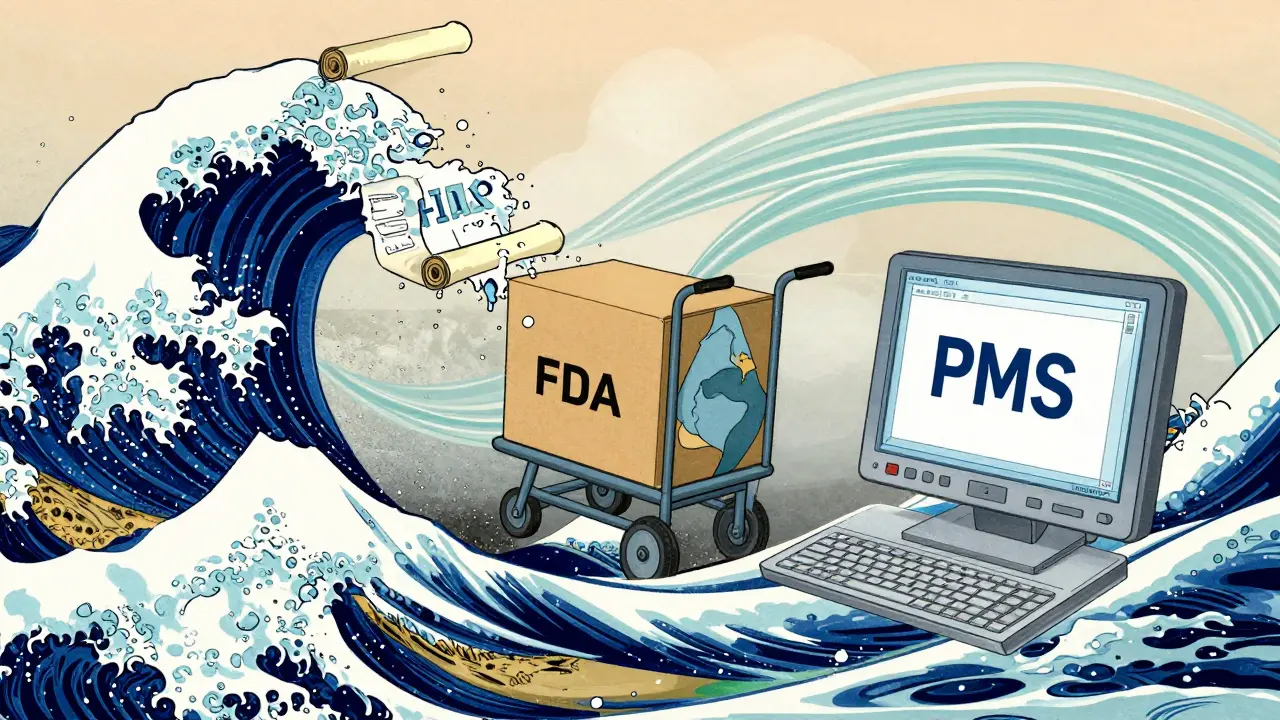
- Pharmacy Management System (PMS) Integrations: Automated alerts built into software like QS/1, PioneerRx, or FrameworkLTC. These cross-reference FDA data feeds with your actual inventory in real-time.
Don’t ignore traditional methods either. Certified letters and faxes still happen, though they are slow. The University of Florida found that certified mail takes an average of 47 hours to arrive-far too late for a Class I recall. Use them as a backup, not your primary line of defense.
Understand the Recall Classes
Not all recalls are created equal. When a notification hits your inbox, the first thing you must identify is the class. The FDA uses a three-tiered system established in 1987 and updated recently. Knowing the difference dictates your speed and effort.
| Class | Risk Level | Action Required | Patient Notification Target |
|---|---|---|---|
| Class I | Most Serious | Immediate removal; verify inventory within 4 hours. | 100% of affected patients |
| Class II | Moderate | Remove from shelves; verify within 24 hours. | 80% of affected patients |
| Class III | Least Serious | Labeling errors or minor violations. | 50% of affected patients |
In 2023, Class II recalls made up 67% of all notifications. While less urgent, they still require documentation. Class I recalls, though only 4% of total volume, demand your full attention immediately. If you see "Class I," drop everything else. Your goal is to confirm receipt and begin inventory checks within one hour.
Verify Inventory: The Lot Number Match
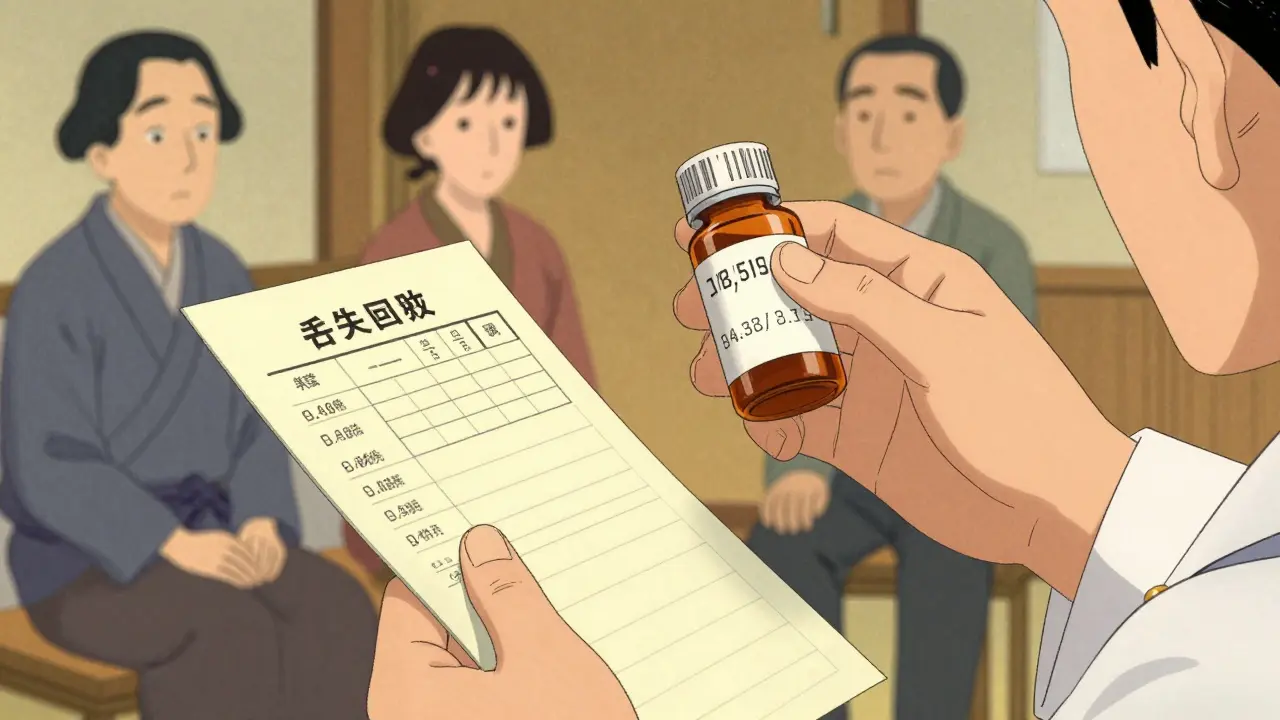
Receiving the notice is step one. Verifying if you actually have the product is step two-and where most pharmacies stumble. You cannot simply look for the drug name. You must match the National Drug Code (NDC) and the specific lot or serial number.
Here is the workflow used by high-performing pharmacies:
- Cross-Reference NDCs: Pull up the NDC from the recall notice. Search your PMS for that exact code. Remember, different package sizes may have different NDCs.
- Check Lot Numbers: This is critical. A recall might only affect Lot #A123, while you hold Lot #A124. Do not quarantine safe stock. Use your PMS’s lot-tracking feature to filter inventory by the recalled lot.
- Physical Count: Go to the shelf. Verify the digital count matches the physical bottles. Discrepancies here indicate theft or dispensing errors that need investigation.
- Identify Patients: Run a report for anyone dispensed the recalled lot within the last 6-12 months (depending on the drug’s shelf life). For chronic medications, check back-up supplies.
Integrated systems like QS/1 can generate facility-specific reports within 15 minutes of FDA publication. If your system doesn’t do this automatically, you need to do it manually. Manual verification is error-prone. In 2023, 73% of surveyed pharmacists reported a "near miss" where a recall was received but not properly actioned due to workflow interruptions. Don’t let that be you.
Notify Patients Effectively
Finding the drug is half the battle. Getting the message to the patient is the other half. The FDA requires specific notification rates based on the class, but ethical practice demands you try to reach everyone.
Start with the easiest method: automated calls or texts through your PMS. Many modern systems allow bulk messaging. However, personal contact is better for Class I recalls. Call the patient. Explain the risk clearly without causing panic. Offer a replacement medication immediately.
A major gap in current systems involves medication synchronization programs. Dr. Michael Cohen noted that 43% of Class I recalls miss patients who received multi-month supplies under sync programs. If you participate in med-sync, you must actively check records for patients who picked up large quantities weeks ago. They might not be in your recent dispensing logs.
Document every attempt to contact a patient. Note the date, time, method (call, text, letter), and outcome (reached, voicemail, wrong number). Keep these records for three years per FDA 21 CFR 203.24. This documentation is your shield during audits.
Overcome Common Technical Hurdles
Even with the best intentions, technology can fail. Here are the common pitfalls and how to fix them:
- False Positives: Wholesaler alerts sometimes flag drugs you don’t carry or have the wrong lot for. Double-check before panicking. False positives waste time and cause "alert fatigue."
- Data Formatting Issues: Manufacturers still use inconsistent lot numbering formats. The FDA is pushing for standardized 15-character lot numbers by late 2024, but until then, manual interpretation is often needed. Train your staff to recognize variations.
- After-Hours Access: Walgreens’ internal audit found that 23% of verification failures happened because technicians couldn’t access inventory records after business hours. Ensure your PMS has remote login capabilities for key staff.
- Cost Barriers: Independent pharmacists often cite high costs for advanced modules. PioneerRx’s recall module, for example, costs thousands annually. If budget is tight, prioritize free FDA MedWatch alerts and diligent manual wholesaler checks over expensive software upgrades.
Future-Proofing Your Process
The landscape is changing fast. The FDA’s Recall Modernization Initiative is mandating XML data formatting for Class I recalls and piloting blockchain-based verification through the MediLedger Project. By 2027, fully automated verification systems are expected to become standard, reducing response times from hours to minutes.
To prepare, ensure your pharmacy management system supports HL7 standards for electronic data submission. Ask your vendor if they are compliant with the upcoming December 2025 mandates. Early adoption will save you from manual headaches later.
Finally, train your team. ASHP recommends designating a Recall Response Team with 24/7 availability for Class I events. Conduct quarterly drills. Simulate a recall scenario. See how long it takes to identify affected patients. If it takes more than four hours, tighten your process.
Checking for recalls isn’t just administrative work. It’s patient care. By building redundant alerts, mastering lot-number verification, and documenting every step, you protect your community and your career.
How quickly must a pharmacy respond to a Class I recall?
Regulatory guidelines suggest verifying receipt within 4 hours and completing inventory verification within 24 hours. However, best practice for Class I recalls (the most serious type) is to begin inventory checks within 1 hour of notification to minimize patient risk.
What is the difference between an NDC and a lot number in a recall?
The National Drug Code (NDC) identifies the specific drug product, manufacturer, and package size. The lot number identifies the specific batch of that drug produced. Recalls often target specific lots due to contamination or manufacturing errors. You must match both to determine if your inventory is affected.
Are pharmacy management system alerts reliable enough on their own?
No. While integrated PMS alerts have high delivery rates (99.2%), experts recommend using at least three redundant notification systems. Relying solely on one channel risks missing notices due to technical glitches or feed delays. Combine PMS alerts with FDA MedWatch and wholesaler notifications.
How long must pharmacies keep recall documentation?
Per FDA regulation 21 CFR 203.24, pharmacies must maintain recall verification records for a minimum of three years. This includes evidence of inventory checks, patient notification attempts, and correspondence with manufacturers or wholesalers.
What should independent pharmacies do if advanced recall software is too expensive?
Prioritize free resources. Register for FDA MedWatch email alerts and ensure you are enrolled in your wholesaler’s free notification program. Implement strict manual protocols for checking lot numbers against invoices. While automation helps, diligence in manual verification is legally sufficient if done correctly and documented.