
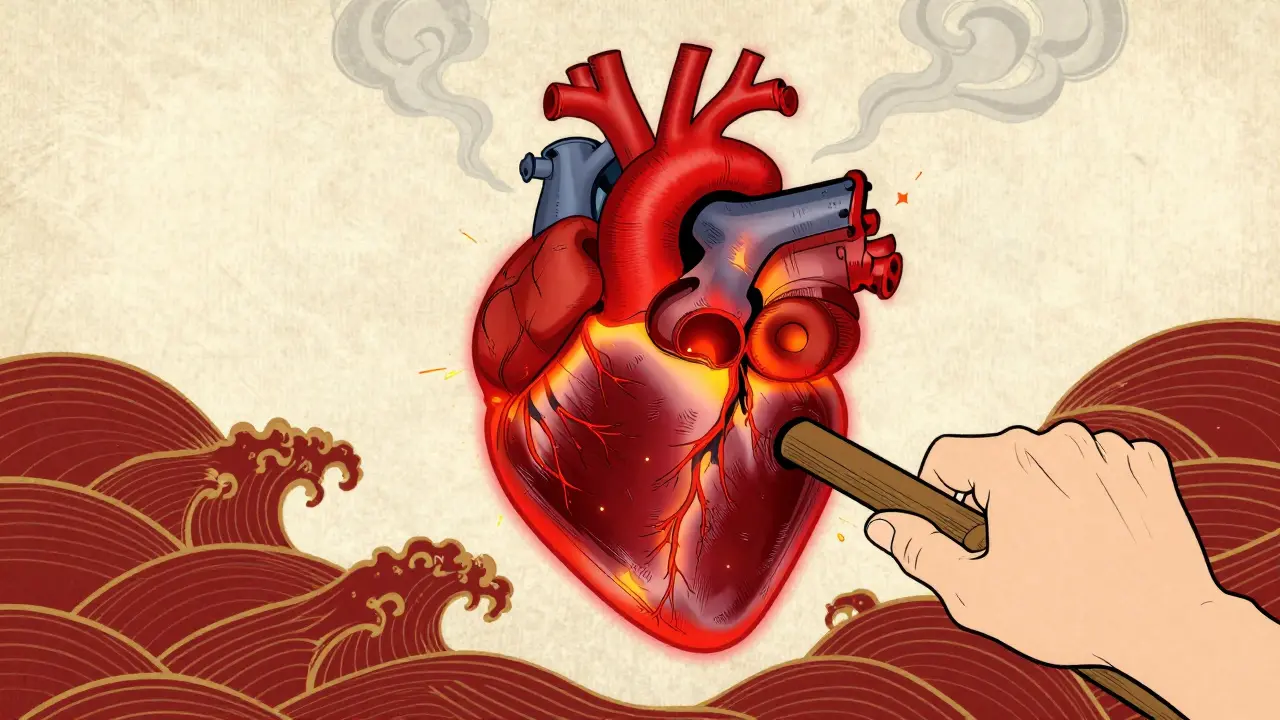
Stimulant Interaction Risk Estimator
Quick Takeaways
- Combining energy drinks with prescription stimulants can spike blood pressure and heart rate significantly.
- Energy drinks contain more than just caffeine; ingredients like taurine and guarana amplify heart stress.
- A single high-caffeine drink can raise systolic blood pressure by up to 15 points in 30 minutes.
- Warning signs include chest pain, heart palpitations, and severe headaches.
- The FDA suggests a 400 mg daily caffeine limit for adults, but this is much lower for those on stimulants.
The Chemical Cocktail: Why the Mix is Dangerous
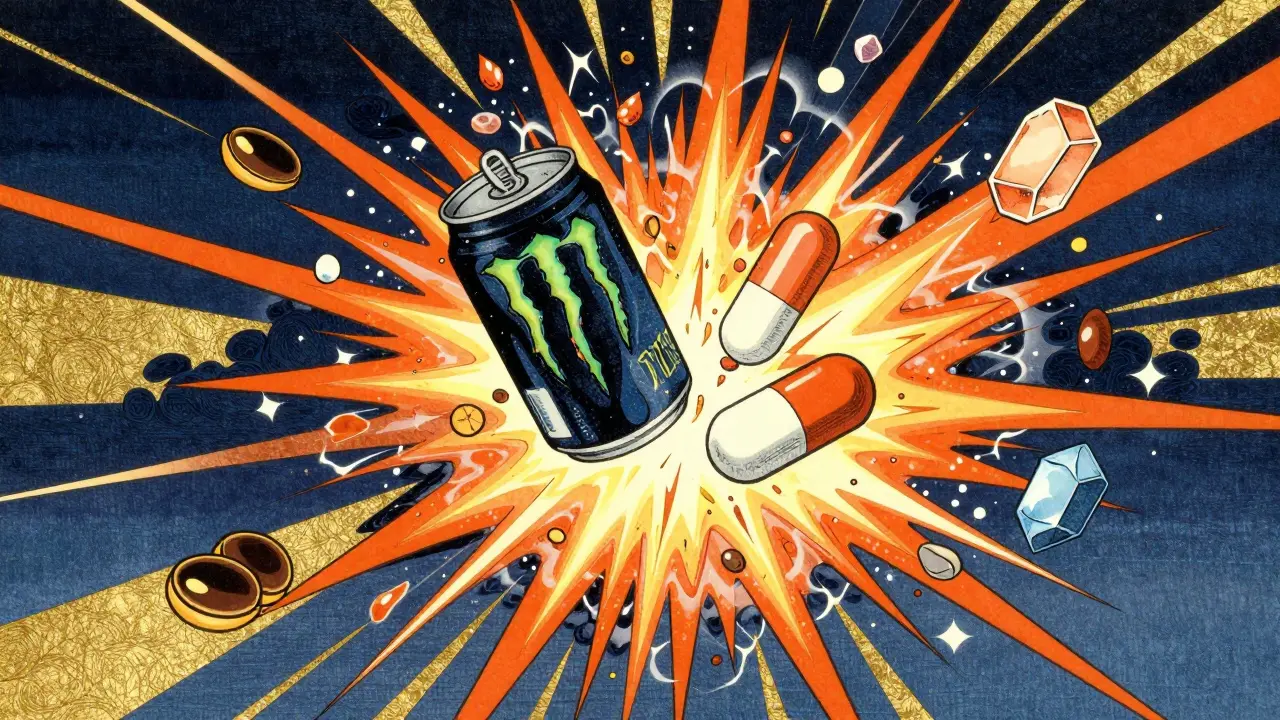
To understand the risk, we have to look at what's actually in these drinks. A standard energy drink is a beverage containing high concentrations of caffeine combined with other stimulants like guarana, taurine, and bitter orange. While caffeine is the headliner, the supporting cast makes it volatile. For instance, guarana is a seed extract that naturally contains caffeine, often adding to the total dose. taurine, an amino acid, and synephrine (found in bitter orange) both influence how your heart beats and how your blood vessels constrict. Now, let's look at the meds. Prescription stimulants like Adderall (amphetamine salts) or Ritalin (methylphenidate) are designed to increase the levels of dopamine and norepinephrine in your brain. However, these chemicals don't stay in the brain; they hit your bloodstream, telling your heart to beat faster and your blood vessels to tighten. When you add a 300 mg caffeine drink on top of a 20 mg dose of Adderall, you're hitting the same "stress switches" in your body twice.Direct Impact on Blood Pressure and Heart Rate
What actually happens to your numbers? Research from the Mayo Clinic showed that a single 240 mg caffeine drink increased average blood pressure by about 6.2% and boosted adrenaline levels by a staggering 74.8% in healthy young adults. But for someone already on a stimulant, these numbers can climb much higher. In some susceptible people, blood pressure can spike by 20-30 mmHg almost immediately. To put that in perspective, a jump from 120/80 to 145/95 in under an hour is not uncommon. This isn't just a temporary flutter; it's an acute elevation that puts immense pressure on your artery walls.| Beverage/Med | Typical Dose | Primary Effect | Heart Risk Level |
|---|---|---|---|
| Red Bull (8.4 oz) | 80 mg Caffeine | Mild increase in HR | Low (for healthy adults) |
| Bang Energy (16 oz) | 300 mg Caffeine | Significant BP spike | Moderate to High |
| Adderall (Prescription) | 5-30 mg | Sustained HR increase | Managed (under medical care) |
| Combo: Drink + Med | Variable | Synergistic Tachycardia | Very High |
The Severe Side: When "Jitters" Become Emergencies
Most people think of "caffeine jitters" as a minor annoyance. But there is a tipping point where stimulation becomes toxicity. Medical literature has documented terrifying outcomes when these stimulants are overused or combined. We aren't just talking about insomnia; we're talking about arrhythmias-irregular heartbeats that can lead to sudden cardiac arrest. According to a systematic review, arrhythmias account for about 35% of all cardiac-related adverse events linked to energy drinks. In extreme cases, this can lead to coronary vasospasms, where the arteries supplying the heart suddenly tighten, cutting off blood flow. There are recorded cases of 19-year-olds suffering heart attacks after consuming just three energy drinks in a two-hour window. When you add prescription stimulants to this mix, the risk of a cardiovascular event can increase by 3 to 5 times.Who is Most at Risk?
Not everyone reacts to caffeine the same way, but certain groups are in the crosshairs. Adolescents are particularly vulnerable. The American Academy of Pediatrics recommends that teens avoid these drinks entirely. Why? Because their cardiovascular systems are still developing, and their tolerance is lower. Between 2017 and 2023, ER visits for caffeine overdose among middle schoolers more than doubled. Then there are those with underlying conditions. If you already have hypertension (high blood pressure) or a history of heart disease, your system is already under stress. Adding a potent stimulant is like pouring gasoline on a fire. Even if you feel fine today, regular consumption can lead to endothelial dysfunction-a fancy way of saying the lining of your blood vessels is getting damaged, which is a precursor to atherosclerosis (hardening of the arteries).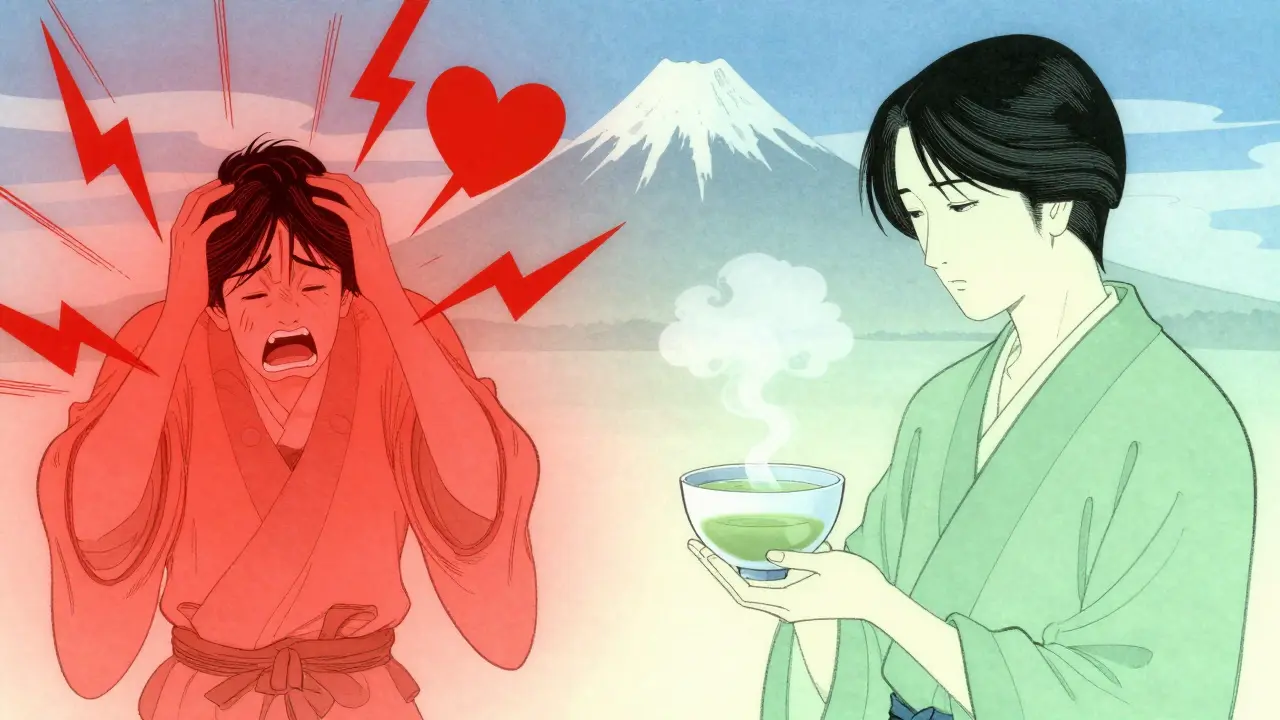
How to Safely Manage Your Energy Needs
If you're currently relying on energy drinks to get through the day while taking stimulant medication, you don't have to quit cold turkey (which can cause brutal headaches and irritability for up to nine days). Instead, try a gradual step-down. First, check your labels. Some drinks contain 20% more caffeine than they actually list. If you're on a prescription, treat caffeine as another drug. The FDA says 400 mg is the ceiling for healthy adults, but if you're on methylphenidate, your personal ceiling is likely much lower. Switch to lower-caffeine alternatives like green tea or small amounts of coffee, which lack the concentrated taurine and synephrine found in energy drinks. Focus on hydration; dehydration makes the heart work harder, amplifying the risks of stimulants.When to Call a Doctor
Knowing the difference between a "buzz" and a medical crisis is vital. You should seek immediate help if you experience:- Chest pain or a feeling of intense pressure in the chest.
- A heart rate that feels like it's racing or skipping beats for more than a few minutes.
- A sudden, severe headache (often a sign of a dangerous blood pressure spike).
- Difficulty breathing or shortness of breath while resting.
- Vision changes or sudden dizziness.
Can I drink a small energy drink if I take ADHD meds?
While a small amount of caffeine might not cause a crisis for everyone, the combination increases the risk of high blood pressure and anxiety. It is best to consult your doctor to determine your specific tolerance, as stimulants can multiply the effects of caffeine.
Why are energy drinks worse than coffee?
Coffee is primarily caffeine. Energy drinks contain "stimulant blends" including taurine, guarana, and synephrine. These ingredients can work together to increase your heart rate and blood pressure more aggressively than caffeine alone.
Does a "sugar-free" energy drink reduce the heart risk?
No. The cardiovascular risk comes from the stimulants (caffeine, taurine, etc.), not the sugar. A sugar-free version still puts the same amount of stress on your heart and blood pressure.
How long does the blood pressure spike last after drinking an energy drink?
Blood pressure typically spikes within 30 minutes of consumption. Depending on the amount and your metabolism, these elevated levels can last for several hours, which is particularly dangerous if you are also taking long-acting stimulant medications.
What happens if I stop drinking energy drinks suddenly?
You may experience caffeine withdrawal. This typically includes fatigue, irritability, and strong headaches. These symptoms usually last between 2 to 9 days. A gradual reduction is generally recommended to avoid this.
11 Comments
Oh, absolutely. I'm sure the 'systematic review' mentioned was funded by a conglomerate of overpriced coffee pod manufacturers. How quaint that we're pretending 300mg of caffeine is a lethal dose in the 21st century while ignoring the structural failures of the entire medical industrial complex. Truly precious.
OMG this is literally my life right now!! 😱 I actually felt my heart pounding in my ears yesterday after a Monster and my Adderall and I honestly thought I was seeing the light!! Like, does anyone else feel like their soul is trying to leave through their throat?? I need to know if you guys have felt that specific vibrating feeling in your chest because I'm actually spiraling!
idc what they say we make the best stuff in usa anyway 🇺🇸 🦅 just drink it and get it done!! who cares bout a litel heart flutter when you got work to do lol 😂🇺🇸
It is truly such a wonderful and illuminating reminder that we must treat our physical vessels with the utmost tenderness and grace, especially when we are navigating the complex waters of neurodivergence, because the harmony between our mental clarity and our cardiovascular health is a delicate dance that deserves our full attention! I am just so incredibly hopeful that by sharing this vital information, we can all embark on a journey toward a more mindful existence where we prioritize our longevity over a temporary burst of energy, and I believe with all my heart that we can all make these positive adjustments together for a brighter and healthier future for every single person reading this!
The sheer lack of discipline in modern society is staggering. People would rather drink a chemical slurry to bypass their own biological limitations than cultivate the mental fortitude required to focus without pharmacological crutches. It is a moral failure to treat your own heart as a disposable engine in the pursuit of productivity.
Caffeine and stimulants are a brutal combo 👊. Just stick to the water and follow your doctor's orders if you want to keep your heart beating. 💯🔥
Just chilling with my tea today 🍵✨ nice heads up!
honestly who even reads the whole thing it's just common sense that mixing drugs and energy drinks is a bad idea but the way this is written is just so melodramatic for no reason like we get it your heart beats fast lol
I just can't even deal with the anxiety this gives me 😭 like I already have so much on my plate and now I'm wondering if my heart is literally failing me while I'm typing this and my chest feels tight just thinking about the risks 💔 it's just so overwhelming to feel like everything we do is potentially killing us and I don't even know how to cope with this stress anymore 😩😩
It is an absolute disgrace that such unregulated substances are permitted in the marketplace. The lack of ethical oversight regarding these energy drinks is a stain on public health and demands immediate legislative intervention to protect the youth.
This is exactly why the American healthcare system is a joke. We let companies sell heart-attack juice to kids and then act surprised when they end up in the ER. It's disgusting. 🇺🇸