
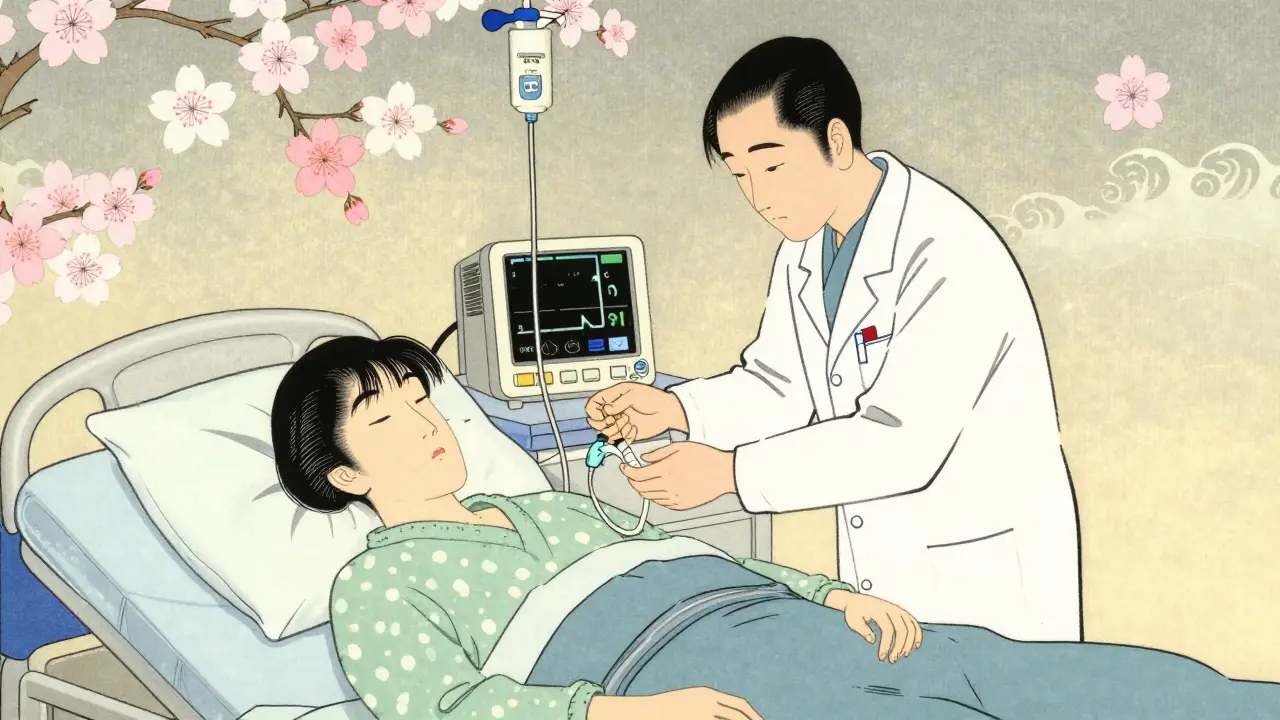
Drug desensitization is a medically supervised procedure that enables patients with confirmed drug allergies to temporarily tolerate medications essential for their treatment by administering progressively increasing doses of the allergenic drug. This technique has been refined over decades and is now a standard practice at major hospitals worldwide, allowing people to safely receive life-saving drugs they would otherwise have to avoid.
What Happens During Drug Desensitization?
Imagine needing a critical antibiotic for a severe infection but having a known allergy. Without desensitization, you’d be stuck without treatment. Drug desensitization changes that. It’s not a cure for the allergy-it’s a temporary workaround. The process starts with a tiny fraction of the drug dose, far below what would trigger a reaction. Then, over hours, the dose is slowly increased under constant medical monitoring. For example, intravenous antibiotics might begin at 1/10,000th of the full dose, doubling at each step with 20-30 minute intervals. Oral drugs like aspirin use slower increments, sometimes taking days to complete.
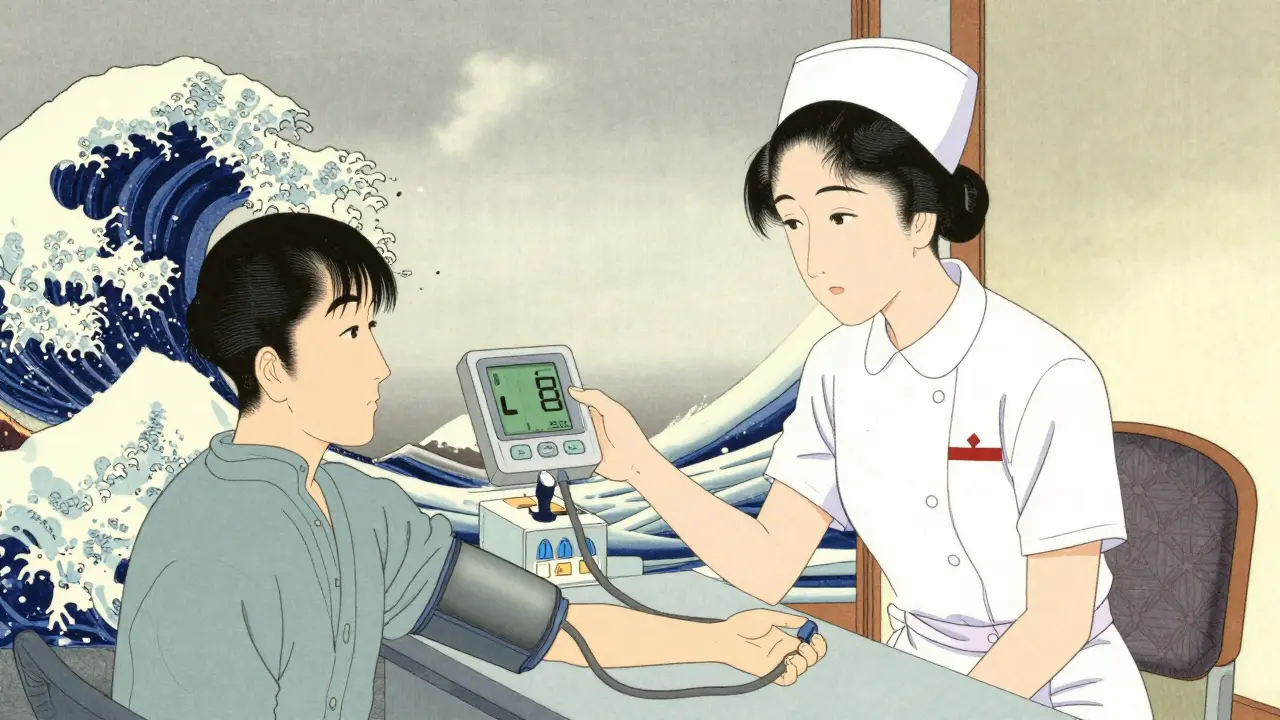
Medical teams track vital signs at every stage. Blood pressure, oxygen levels, and breathing are checked every 5 minutes. If symptoms like hives or wheezing appear, the team may pause, lower the dose, or extend the time between doses. This isn’t a DIY process. It requires a hospital or specialized clinic with emergency medications like epinephrine ready at all times. The Brigham and Women’s Hospital, for instance, has a dedicated Drug Hypersensitivity and Desensitization Center led by Dr. Mariana C. Castells, who has helped thousands of patients safely undergo this procedure.
When Is Drug Desensitization Used?
This technique isn’t for every drug allergy. It’s reserved for situations where no safe alternative exists. Common scenarios include:
- Patients needing chemotherapy drugs like paclitaxel or carboplatin who experience severe reactions
- Those requiring antibiotics for cystic fibrosis infections, such as vancomycin, when other options fail
- Individuals with allergies to aspirin or NSAIDs who need pain relief for arthritis or heart conditions
- Cancer patients needing monoclonal antibodies like rituximab for lymphoma
The American Academy of Allergy, Asthma & Immunology (AAAAI) confirmed in 2022 that desensitization is the only option for these cases. Without it, patients might have to stop life-saving treatments. For example, a 2023 study at Asthma Center showed 92% of cancer patients completed chemotherapy after desensitization, compared to 0% without it.
Risks and Contraindications
While generally safe, desensitization isn’t risk-free. It’s only performed when benefits outweigh risks. Key red flags include:
- History of Stevens-Johnson syndrome, toxic epidermal necrolysis, or severe skin blistering reactions
- Previous reactions involving organ damage like hepatitis or kidney inflammation
- Uncontrolled asthma or severe respiratory issues
Even with precautions, reactions can happen. The Asthma Center protocol states: "If a patient develops symptoms during the procedure, the team may drop back to a previous dose or slow the escalation." Severe cases like laryngeal edema require immediate epinephrine. This is why the procedure must occur in a facility with a trained specialist and emergency equipment on hand. Never attempt this at home.
What to Expect During the Procedure
On the day of desensitization, you’ll arrive early for pre-procedure checks. A nurse and allergist will monitor you continuously. For IV drugs, you’ll receive small doses through an IV line, with breaks between each step. You might feel mild itching or a warm flush-common signs the body is adapting. If symptoms escalate, the team will adjust the plan immediately. Oral desensitization, like for aspirin, involves swallowing tiny doses at hourly intervals, often over 2-3 days.
Most patients complete the full dose in 5-6 hours. Afterward, you’ll stay for observation. Crucially, the tolerance is temporary. If you stop taking the drug for more than 48 hours, the allergy may return. This means you must continue the medication consistently to maintain tolerance. For example, a cystic fibrosis patient on antibiotic desensitization must take every dose as prescribed to avoid restarting the process.
Why This Matters for Your Health
Drug allergies often force patients into difficult choices: stop treatment or risk a reaction. Desensitization changes that. At Brigham and Women’s Hospital, over 70% of patients with severe drug allergies successfully complete treatments like chemotherapy after desensitization. This isn’t just about survival-it’s about quality of life. A 2025 study in the Journal of Allergy and Clinical Immunology found patients who underwent desensitization for antibiotics had 50% fewer hospital readmissions compared to those who avoided the drug entirely.
FAQ
Is drug desensitization a permanent solution for allergies?
No. Desensitization creates temporary tolerance that lasts only as long as you keep taking the drug regularly. If you stop for more than 48 hours, your allergy may return. This is why it’s only used when the drug is essential and no alternatives exist.
Can I try drug desensitization at home?
Absolutely not. The procedure requires constant medical monitoring, emergency medications, and specialized training. Attempting it outside a hospital or clinic could be life-threatening. Only licensed allergists or immunologists should perform this.
How long does a drug desensitization procedure take?
It depends on the drug and your reaction history. IV antibiotics usually take 5-6 hours, while oral aspirin protocols may span multiple days. The process is tailored to your specific needs, with slower increments for higher-risk cases.
What drugs are commonly desensitized?
Common examples include chemotherapy agents like paclitaxel, antibiotics like vancomycin, aspirin and NSAIDs for pain management, and monoclonal antibodies such as rituximab. The procedure is tailored to each drug’s specific protocol.
Are there alternatives to drug desensitization?
For most severe drug allergies, there are no safe alternatives when the medication is critical. Desensitization is often the only way to receive life-saving treatments like chemotherapy or antibiotics for serious infections. However, doctors always explore alternatives first if possible.
11 Comments
Drug desensitization is a life-saving technique for patients with critical allergies. It's not a permanent fix but a temporary measure under medical supervision. For instance, when a patient needs chemotherapy but has an allergy, desensitization allows them to receive treatment safely. The process involves starting with tiny doses and gradually increasing, monitored closely. This prevents severe reactions. Hospitals like Brigham and Women's have dedicated centers for this. It's essential that this is done in a controlled environment with emergency protocols. Many cancer patients benefit from this. Without it, they'd have to forgo treatment. The American Academy confirms it's the only option in such cases. However, it's not risk-free. Patients with certain conditions shouldn't undergo it. But when done right, the success rate is high. It's a testament to medical innovation. We should support access to such specialized care.
This whole desensitization thing is overhyped. I've seen people have bad reactions anyway. Why not just find another drug? It's not like there aren't alternatives. Some doctors are too quick to jump into this. And the risks? They downplay them. Like, what if you have a reaction during the procedure? It's not worth it. They should just use something else. But I guess they don't care about patient safety. Just want to get the money from the procedure.
This procedure is vital for Americans. No alternatives. Must do it. Safety first. Hospitals know best. We need more of this. No risk is too high. America leads in medicine. Trust the process.
I think this is a bit too harsh. The stats show it's safe when done properly. Like, 92% success rate for chemo patients. Yeah, there are risks, but they're managed. You can't just say it's overhyped. The docs know what they're doing. Maybe check the studies before judging.
This procedure is life-saving when alternatives are nonexistent.
This is really cool stuff! 🤯 Drug desensitization helps so many people. Like, imagine needing chemo but allergic to it. Without this, it's a dead end. But with it? Life-saving. It's amazing how medicine keeps evolving. We should all learn about it. 💡 Also, props to the doctors doing this work. They're heroes. 👏
This procedure seems risky. People should be warned more. The risks aren't discussed enough. It's not worth it for most cases. Just saying.
I see your point but the risks are manageable. Doctors have protocols in place. It's not reckless. Stats show it's safe when done right. We should support these procedures instead of doubting. It's about balancing risks and benefits.
I'm not sure about this but it sounds helpful. Maybe check with a specialist. Like, I don't know much but it seems useful. Just need to be careful. But maybe it's worth it for some people.
It's important to remember that this procedure is for specific cases where no alternatives exist. It's not a one-size-fits-all solution. But for those who need it, it can be life-changing. We should approach it with understanding and support. It's about making informed decisions together.
Drug desensitization is a critical medical procedure that must be conducted with utmost precision and professional oversight. The notion that it is overhyped or risky is unfounded. Medical professionals adhere to stringent protocols that ensure patient safety. It is imperative that we trust the expertise of specialists in this field. Any deviation from established guidelines could lead to severe consequences. This is not a decision to be taken lightly but a well-researched practice that saves lives daily.