

Many people take calcium and iron supplements without realizing they can seriously mess with their prescription meds. If you’re on antibiotics, thyroid medicine, or heartburn pills, your daily mineral supplement might be making those drugs less effective-sometimes by a lot. It’s not just a small risk. Studies show calcium can cut the absorption of ciprofloxacin by 40%. That’s not a typo. You could be taking your antibiotic, thinking it’s working, when your body barely absorbed any of it. The same goes for iron and tetracycline antibiotics. These aren’t rare edge cases. They’re common, predictable, and often overlooked.
How Calcium Blocks Antibiotics
Calcium doesn’t just sit there. When it meets certain antibiotics-especially tetracyclines like doxycycline and minocycline, or fluoroquinolones like ciprofloxacin and levofloxacin-it binds to them tightly. This isn’t a gentle hug. It’s a chemical lock. The result? An insoluble complex that your gut can’t absorb. The antibiotic just passes through, useless. This isn’t theory. It’s measured. A study in U.S. Pharmacist found calcium carbonate reduced ciprofloxacin levels by 40%. That’s enough to turn a successful treatment into a failed one, leading to lingering infections or even antibiotic resistance.
The fix isn’t complicated: don’t take them together. But how far apart? Most experts say at least two hours. Some, like the South Medical Journal, recommend four hours for safety. If you take your antibiotic in the morning, wait until after lunch to take your calcium pill. If you take calcium at night, make sure your last antibiotic dose was at least four hours earlier. Don’t rely on “I took it a while ago.” Set alarms. Write it down. This isn’t optional.
Calcium and Thyroid Medicine: A Silent Saboteur
If you’re on levothyroxine for hypothyroidism, calcium is one of your biggest enemies. It doesn’t just interfere-it can slash absorption by up to 60%. That means your thyroid hormone levels drop, your symptoms come back (fatigue, weight gain, cold intolerance), and your doctor might think your dose is too low. So they increase it. And increase it. Meanwhile, the real problem? You’re taking calcium at the same time.
Research from the South Medical Journal showed a clear pattern: taking calcium within four hours of levothyroxine caused significant drops in thyroid hormone levels. The fix? Space them out by at least four hours. That means if you take your thyroid pill first thing in the morning on an empty stomach, don’t touch calcium until after lunch. If you take calcium at night, that’s fine-as long as your thyroid pill was taken four hours earlier. Many people don’t know this. They take their thyroid pill with breakfast, then have yogurt or a calcium-fortified orange juice right after. Bad move.
Iron: The Other Big Player
Iron supplements-especially ferrous fumarate, the most common type prescribed in the UK-have their own list of enemies. Like calcium, iron binds to tetracycline and fluoroquinolone antibiotics. The same chelation happens. The same loss of effectiveness. The timing rule here is slightly more flexible: take iron at least two hours before or four hours after the antibiotic. But here’s the twist: iron also hates stomach acid reducers.
Iron needs acid to dissolve and get absorbed. That’s why it’s often recommended to take it with orange juice-vitamin C helps, but so does the mild acid. If you’re on omeprazole, pantoprazole, famotidine, or even Tums (which contains calcium carbonate), your stomach isn’t acidic enough. Iron just sits there, undigested. Studies from GoodRx show this can reduce iron absorption by half or more. That means your anemia treatment isn’t working. Your hemoglobin stays low. You stay tired. And your doctor might think you’re not compliant.
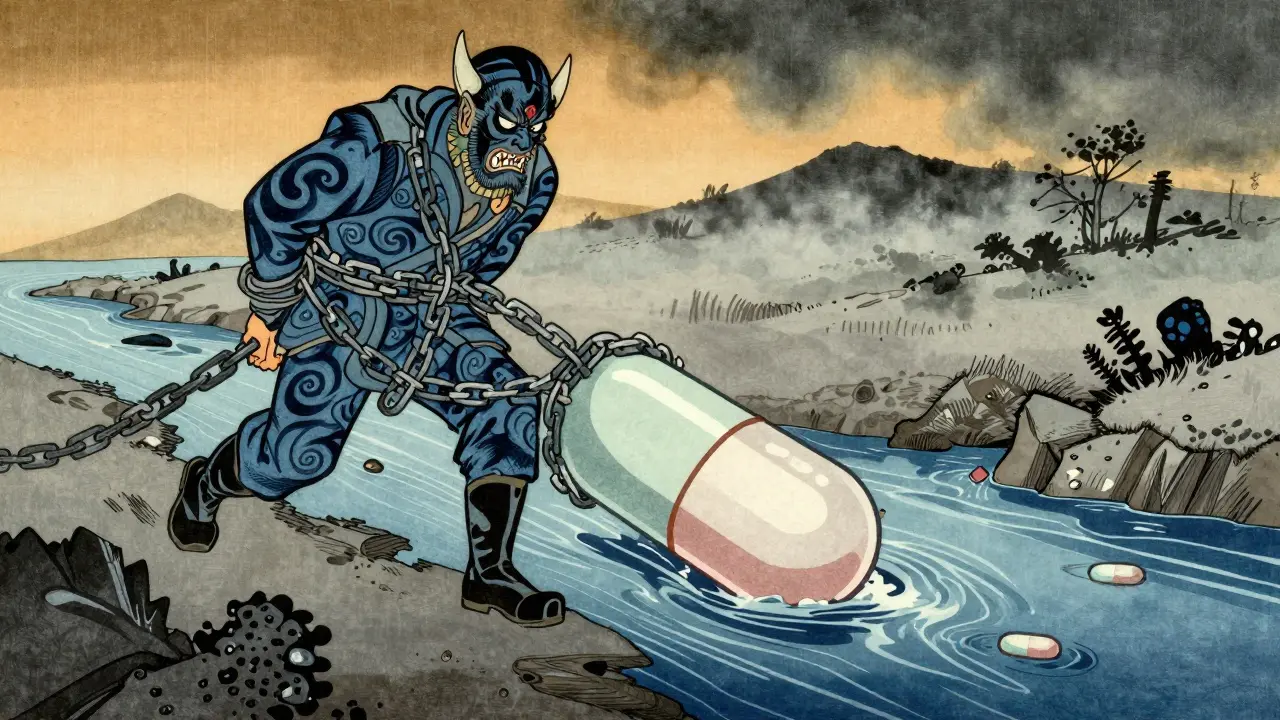
Iron vs. Heartburn Meds: The Timing Game
Here’s the real-world problem: lots of people take iron for anemia and also take heartburn meds daily. They can’t just stop the heartburn medicine. So what do you do? The best strategy is to take iron up to two hours before your PPI or H2 blocker. That gives your stomach time to be acidic, so the iron can absorb. Then the heartburn medicine can do its job later. If you can’t time it that way, talk to your doctor. Sometimes switching to a different iron form-like ferrous sulfate or even an IV drip-makes sense.
And don’t forget milk. HealthyChildren.org points out that parents often give iron supplements with milk because it’s easier for kids. Big mistake. The calcium in milk binds to the iron just like it does with antibiotics. Use water or orange juice instead. No dairy. No antacids. No calcium supplements for at least two hours before or after.
Why This Matters More Than You Think
67% of women and 25% of men take calcium supplements regularly. That’s not a small group. Add in iron for anemia, and you’ve got millions of people mixing these with medications every day. Most don’t know the risks. Pharmacists are told to ask about supplement use-but many patients don’t even think to mention it. “It’s just a vitamin,” they say. But calcium and iron aren’t vitamins. They’re powerful minerals that act like chemical sponges in your gut.
The consequences aren’t theoretical. A woman on levothyroxine takes her pill at 7 a.m. and a calcium tablet at 8 a.m. Her TSH levels stay high. She’s told to double her dose. She feels worse. Then she sees a pharmacist who asks about supplements. She stops taking calcium with her thyroid pill. Four weeks later, her levels normalize. No dose change. Just timing.
Another case: a teen on doxycycline for acne also takes iron for low ferritin. His acne doesn’t improve. His doctor thinks he’s not taking the antibiotic. Turns out, he takes them together after dinner. He’s told to space them out. His skin clears up in three weeks.

Simple Rules to Follow
- Calcium and antibiotics (tetracyclines, fluoroquinolones): Wait at least 2 hours, ideally 4.
- Calcium and levothyroxine: Wait at least 4 hours. Take thyroid medicine on an empty stomach.
- Iron and antibiotics: Take iron 2 hours before or 4 hours after the antibiotic.
- Iron and heartburn meds (PPIs, H2 blockers, antacids): Take iron at least 2 hours before the heartburn pill. Avoid milk with iron.
- General rule: If you’re unsure, space supplements and medications by at least 2 hours. When in doubt, ask your pharmacist.
Don’t guess. Don’t assume. Don’t think “it’s probably fine.” These interactions are well-documented, predictable, and preventable. Your meds won’t work if your supplements are blocking them. And if your meds don’t work, your health suffers.
What to Do Next
Check your pill bottles. Look at the labels. Most prescription meds that interact with calcium or iron have warnings printed right on them. If you don’t see one, ask. Bring your supplement list to your next doctor or pharmacist visit. Write down everything you take-prescription, over-the-counter, vitamins, even herbal stuff. Don’t leave anything out.
If you’re taking both calcium and iron, space them apart too. Don’t take them together. Calcium can block iron absorption. Iron can block calcium. It’s a two-way street.
And if you’re managing this for a child-especially one on antibiotics and iron for anemia-talk to your pediatrician or pharmacist. Timing matters even more with kids. Their systems are smaller. Their schedules are tighter. A missed window can mean a failed treatment.
Can I take calcium and iron together?
No. Calcium and iron compete for absorption in the gut. Taking them together reduces how much of each your body can use. Space them by at least 2 hours. If you need both, take one in the morning and the other at night.
What if I forget and take them together?
Don’t panic. One mistake won’t ruin your treatment. But if it happens often, it can lower your drug levels enough to cause problems. Go back to spacing them out properly. If you’re on antibiotics or thyroid meds, talk to your pharmacist about whether you need a repeat dose or lab check.
Do all calcium supplements interact the same way?
Calcium carbonate and calcium citrate both interfere with antibiotics and levothyroxine. Calcium carbonate is more likely to cause issues because it’s more common in supplements and antacids. Calcium citrate is slightly better absorbed on its own, but it still blocks meds. Don’t assume one form is safer. All forms need spacing.
Can I take iron with vitamin C to help absorption?
Yes. Vitamin C helps iron absorb better. A glass of orange juice or a 250 mg vitamin C tablet taken with your iron can boost absorption. But avoid milk, coffee, or tea with it-they contain compounds that block iron. And don’t take vitamin C with calcium supplements at the same time; they don’t interact, but you still need to space them from meds.
Is this only a problem in the UK or US?
No. This is a global issue. The mechanisms of chelation and absorption interference are biological, not regional. The NHS in the UK, the FDA in the US, and health agencies in Europe and Australia all warn about these interactions. The advice is the same worldwide: space out your minerals and meds.
Final Thought
Mineral supplements aren’t harmless. They’re powerful. And when they mix with medications, they can turn a life-saving drug into a waste of money. You’re not being paranoid. You’re being smart. If you’re taking calcium, iron, or any mineral supplement, ask your pharmacist: “Could this be blocking my meds?” That one question could save you from a failed treatment, a hospital visit, or worse.